The Holy Spirit, The Comforter

Text: John 14:23-31

“Alleluia. Lord, to whom shall we go? You have the words of eternal life. Alleluia.” These were the words we sang just before the reading of our Lord’s Gospel. They come from the mouth of St. Peter when he gave answer to our Lord’s question of whether the twelve might like to turn away from Him, as well. Jesus had just given the crowd the hard teaching: salvation is by faith in Him alone and not by the works of human flesh and blood. Upon hearing this teaching, many – including some who were previously followers of Jesus – turned away. Peter gladly confessed, with the other apostles, that by the work of the Holy Spirit they had found in Christ something which the world cannot give: the forgiveness of sins, the hope of eternal life, and the peace that flows from a good conscience before God.

The work of the Holy Spirit is brought up by our Lord in the Gospel text and we see the Spirit’s work in the reading from Acts. There, the Spirit worked the reversal of Babel when He proclaimed through the apostles, in many different languages, the Good News of Jesus’ death and resurrection. It is the Holy Spirit’s work to bring the peace which the world cannot give, the peace of sins forgiven. This is what our Lord promises as He sends the Spirit to us, as well.

I.

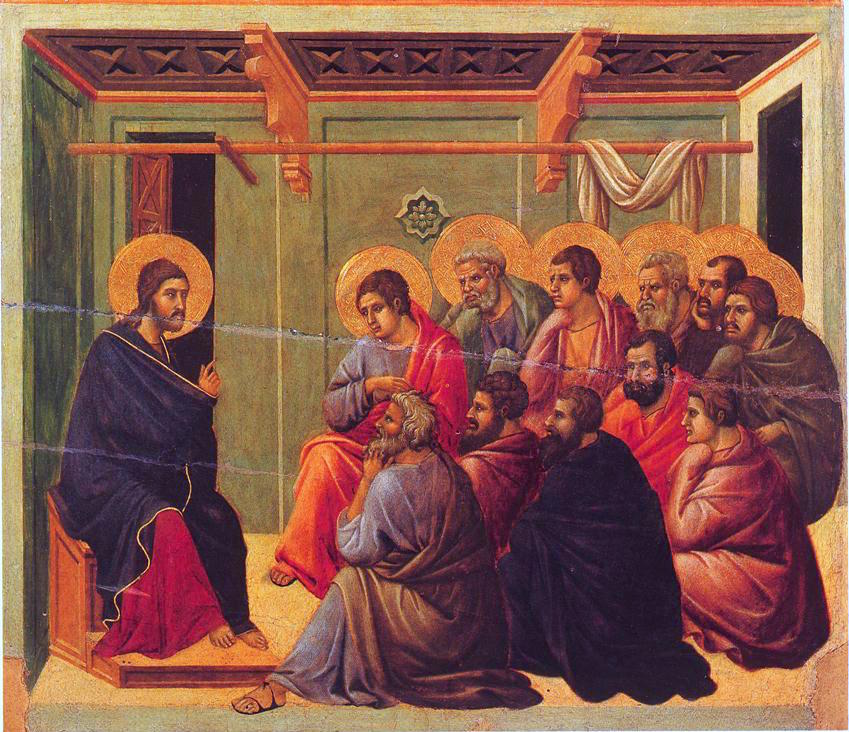
For a number of weeks now, the Gospel readings have all been from St. John. In particular, they’ve all been from a certain chunk of St. John’s Gospel: our Lord’s final teaching to His disciples. Our text today, as with others in the Easter season, comes from the last hours of our Lord’s earthly ministry. His goal in this teaching was to prepare them for the world they were soon to encounter after His departure and to comfort them. Therefore, He taught about the work of the Holy Spirit, saying, “These things I have spoken to you while I am still with you. But the Helper, the Holy Spirit, whom the Father will send in My name, He will teach you all things and bring to your remembrance all that I have said to you. Peace I leave with you; My peace I give to you. Not as the world gives do I give to you. Let not your hearts be troubled, neither let them be afraid.” (John 14:25-27 English Standard Version)

Our Lord anticipates the fear His disciples would have after He is parted from them. Therefore, He promises to them whom He calls the Helper, although a better translation would be, “the Comforter.” This helping comforter would be none other than the Third Person of the Trinity, the Holy Spirit. The Spirit would help them by always directing them to Jesus’ Word. He would bring to their remembrance all that Jesus said and did, with the result that they should be at peace before God and among themselves. The Holy Spirit would sustain them in the faith and work through their preaching and teaching to create and sustain faith in others, as we witness in the Book of Acts. On the Eve of His passion – the time where our Lord suffered for the forgiveness of our sins – He promised His disciples a helper to be with them always: the Holy Spirit, the Comforter.

II.

They would need this comforting, too. In the last few weeks, we’ve heard our Lord’s teaching about how the world would react at His death – it would rejoice. Jesus said, “Truly, truly, I say to you, you will weep and lament, but the world will rejoice.” (Jn. 16:20) The devil and all his host were overjoyed to see our Lord die on the cross. Thinking that they had won, their joy at our Lord’s death led to threats of violence toward our Lord’s Christians. It’s not without reason that the disciples were locked away when the Lord first appeared to them. After our Lord’s ascension, we read in the Book of Acts how His enemies carried out their wrath on the Apostles and early Church. St. Paul is an example of this. Prior to his conversion, he attended the stoning of Stephen and watched the coats of those throwing stones. When he was converted, he had been on his way to Damascus to round up the Christians and bring them back to Jerusalem where they, likely, would have been killed for their faith.

After our Lord’s ascension, the world – thinking it had won – poured out its wrath on the Church. But you know what happened? The Church grew. We heard when we celebrated Ascension that the Apostles were continually in the temple preaching and teaching about Jesus. In time, they were arrested for this; but the Lord freed them and they went back to preaching. They were gathered again and beaten but it says in Acts that they, “[rejoiced] that they were counted worthy to suffer dishonor for the name. And every day, in the temple and from house to house, they did not cease teaching and preaching that the Christ is Jesus.” (Acts 5:41-42) The Apostles spent the rest of their lives preaching and teaching the forgiveness that is in Jesus Christ alone. And, although many of them met violent ends, they persisted because they had among and in themselves the peace which the world cannot give: the forgiveness of sins through the faith worked in them by the Holy Spirit. But what does this all have to do with you and me?

III.

Jesus said, “Peace I leave with you; My peace I give to you. Not as the world gives do I give to you. Let not your hearts be troubled, neither let them be afraid.” The world that you and I live in is really not that different from how it was in the time of the Apostles. The number of faithful Christians compared to those living in sin’s delusion is small and the Lord’s little flock is increasingly set-upon by the world. In addition to these we have the pressing concerns and miseries of our own lives – whether they be with our finances, our health, our relationships, or some combination of the three. We also wage daily war against the sin that still clings to our flesh and we bear those scars. Even still, Jesus says to you: “My peace I give to you.”

When Jesus spoke these words to the disciples, He was promising them the gift of the Holy Spirit who would sustain them in the faith and point them to all that Jesus said and did for them. The Spirit is also our comforter, our helper. The same Spirit Jesus breathed out on the Apostles, He has poured into our hearts through Baptism. By the washing of the water with His Word, we received the same Holy Spirit and He does the same thing for us – He points us to Christ. When we are suffering, He reminds us of all that Christ suffered for us. When we are troubled, He points us to the hope we have in Christ. When we sorrow over sin, the Spirit comforts us with the promise that through Christ’s death and resurrection, we are truly forgiven. The result is that we have the peace which the world cannot give. We have an eternal peace with God the Father through the resurrection of His Son.

Martin Luther once said something along the lines of: God doesn’t always remove the Christian from danger, but He removes danger from the Christian. That is, even amidst a sinful, fallen world, our Lord’s Christians – we – have peace with God through our Lord Jesus Christ, in whom we have the forgiveness of our sins and a joyful hope that no one can take away from us.

The Lord Himself Will Act

Text: Ezekiel 36:22-28

“Our churches teach that people cannot be justified before God by their own strength, merit, or works. People are freely justified for Christ’s sake through faith.” (Augsburg Confession IV from Concordia: The Lutheran Confessions) These words from the Augsburg Confession, short of the Holy Scriptures, are our bread and butter in the Lutheran Church. We teach, according to the holy and true Word of God, that people cannot be saved – we cannot receive forgiveness from God – based upon our own good works, or anything that is within us. Instead, we are saved freely and purely by God’s grace through faith in Christ, which itself is a work of the Holy Spirit. In other words, our salvation is based entirely upon God’s actions alone. It has only come about because He decided to act Himself on our behalf. This is something we gladly confess this Easter season.

This truth, that the actions of God alone bring about our salvation, is found throughout the Scriptures. Our text today from the prophet Ezekiel is a good example. Here the Lord promised to bring His people into their own land. He promised to cleanse them from all their uncleanness and dwell among them as their God. He wouldn’t do these things because of their worthiness, but because of His own love. All His people ever do is profane the name of the Lord, therefore He Himself acts to vindicate His name and provide forgiveness to His people; ourselves, included.

I. 

The text opens with the Lord speaking to His people. He said, “Thus says the Lord God: It is not for your sake, O house of Israel, that I am about to act, but for the sake of My holy name, which you have profaned among the nations to which you came.” (Ezekiel 36:22 English Standard Version) The context of our Lord’s words is that He is speaking of the exile of the children of Israel, both what brought it about and what will bring it to an end. By now, the destruction of Jerusalem should be a topic we’re aware of – both the one by the Romans in the New Testament and the one by the Babylonians in the Old Testament. The reason for both was the same: the unfaithfulness of God’s people. For generations, they lived in violence among themselves, idolatry, adultery, and so on. Every evil thing they saw in the world, they adopted and embraced. And the result was that God’s name was profaned. The Catechism teaches us what it means to profane the name of God. It says, “God’s name is kept holy when the Word of God is taught in its truth and purity and we, as the children of God, also lead holy lives according to it…But anyone who teaches or lives contrary to God’s Word profanes the name of God.”

Such was the behavior of the children of Israel. They continually profaned the name of God by unfaithful living, and so they received the discipline of their Lord in their exile. But, even in exile, their sinful behavior continued. They continued to profane God’s name among the nations to which they came. One would think that such a discipline as being forced from their own land into another while others take and occupy their home would bring a people to repentance, but it didn’t. Instead, the people in exile continued to live idolatrous, adulterous lives. They worshipped the sun, moon, and stars. They embraced the pagan way of life, all the while being known as the worshippers of the God of Israel. They were supposed to live holy and decent lives in what they said and did, but when anyone looked to the children of Israel, they seemed no different from the world. And that profanes God’s name.

We should not claim to be unaware of such behavior among ourselves. We also bear the holy name of God in our Baptism. We, too, have been called out of the sinful world: to be in it, but not of it. Yet, we, too, have behaved as if that is of little consequence. Jesus said once that a little yeast leavens the whole lump. So, also, does a little sin infect the whole self. We, too, have behaved in ways that reflect poorly on our Christian name and our Father in heaven. We have profaned His name by living in ways that are contrary to His Word. At times, we have tolerated false teaching to dwell in our hearts and on our lips. From time to time when our Lord has disciplined us for this, we’ve acted as if we had done no wrong and been critical of the Lord’s will for our lives. There is a reason why we cannot merit salvation by our works, and it’s because we are sinners. All we ever do, by nature, is profane our Lord’s name.

II.

It is not for your sake…that I am about to act, but for the sake of My holy name…I will take you from the nations…and bring you into your own land. I will sprinkle clean water on you…and from all your idols I will cleanse you. And I will give you a new heart, and a new spirit I will put within you.” (vv. 22, 24-26) I said at the start that God working for the benefit of His people is found throughout Scripture. Notice who is doing what in our text. The people profane, but God saves. Here God speaks about the full cleansing that will come at our Lord’s return on the Last Day. At His return, the Lord will raise His people from their graves and gather them together from all creation. They will be fully cleansed from all sin and evil, and all profaning of His name will cease.

As is often the case when God speaks through His prophets, He is able to speak about more than one thing at a time. At other times we call this idea, “now but not yet.” Here, we gladly confess that the full cleansing which the Lord will work upon His people on the Last Day is already at work among us. The Lord promised that He would act, and He has acted in the death and resurrection of our Lord Jesus. Because we, by nature, are incapable of doing a single good thing, Jesus took our human flesh upon Himself. At every point where we have profaned the name of God among us, He hallowed it. At every point where we have transgressed, Jesus kept the Law of God. As payment for all our evil deeds, the Lord took our sins into Himself and bore them in His body on the tree. With His stripes we are healed, the prophet said.

The Lord promises in the text to sprinkle clean water on His people and to place a new heart of flesh in them. Such has He done to us in our Baptism. When you were baptized, you were sprinkled clean from your sin when the forgiveness Christ won was applied to you. The Holy Spirit took out your old stony heart of sin and gave you a new heart of flesh when He created in you the gift of faith. When you fall into sin and find yourself profaning the name of God by word or deed, let it be confessed and so return to the waters of your Baptism anew. In this way, our Baptism stands every day until the Last, when it shall be completed as we are made completely pure in the Resurrection.

The Latin title for this Sunday is Exaudi, which means “hear.” The Lord hears our cries for forgiveness and salvation. He has acted Himself to bring it about through His work on our behalf. By Jesus’ blood our sins are for. His cleansing blood sprinkles us clean in Baptism. Through the same we receive a new heart which lives to love and serve both God and neighbor. Let us praise the Lord who promised to act for our salvation, and did; and pray that He might bless our new hearts of flesh to live faithfully in this life until we shall see Him face-to-face in the Resurrection.

The Work Continues

Text: Luke 24:44-53

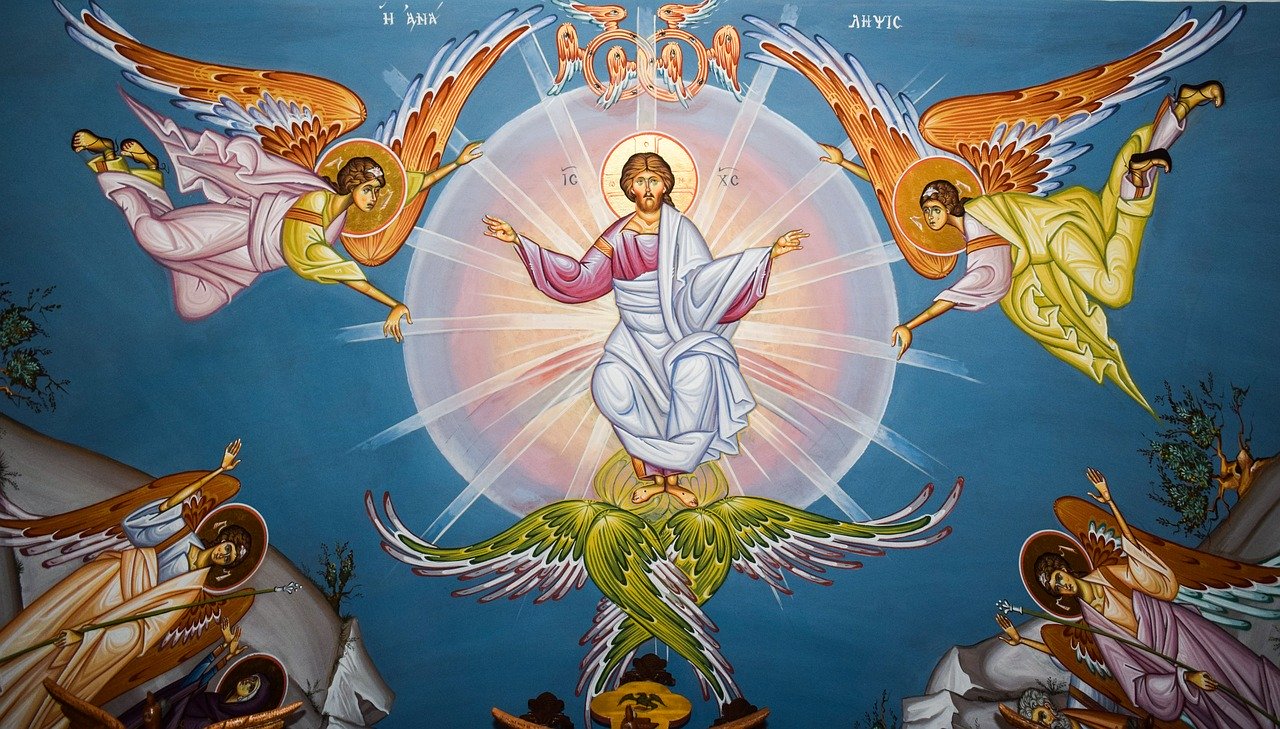
Today is the day that we celebrate our Lord’s victorious ascension. Forty days after our Lord rose triumphantly from the grave for us, He was parted from the Apostles by the clouds so that He could resume His position at the right hand of the Father – the seat He once set aside when He became man for us. From the right hand of the Father, Jesus now rules over all things for our good, He prays for us and His whole Church on earth, and He ever sustains us with His gracious presence in the Word and the Sacraments. Jesus’ ascension is not a sad parting, but a joyous occasion to celebrate, as we witness from the action of Apostles in our Gospel text. Even still, the show must go on – as they say. The work must continue.

This is the goal of our Lord’s final message to His disciples. His work of our redemption is done. He came as the fulfillment of all His promises through the prophets to atone for all the world’s sin with His precious blood. Risen from the dead, our salvation is complete in Christ. That work is done. What isn’t done, however, is the spread of the Gospel to all the world. In our text, the Lord opened the disciples’ mind to understand the Scriptures and commissioned them to preach repentance and forgiveness in His name to all the world. Today, He continues to equip and call us, His Church, to do the same.

I.

These are My words that I spoke to you while I was still with you,” Jesus said, “that everything written about Me in the Law of Moses and the Prophets and the Psalms must be fulfilled.” (Luke 24:44 English Standard Version) In our evening devotions, we’ve been working our way through St. Luke’s Gospel. His Gospel is very organized, and that includes mentioning at various points the passage of time. But after our Lord’s resurrection, that stops. It’s almost as if Jesus’ rising from the dead brings with it a new order, a new way of doing things, a new way of looking at the world and ourselves. Up the point just before our text, the disciples were locked away for fear, but Jesus appeared among them to speak peace to them. His work is complete.

Specifically, His work of winning salvation for the world is finished. All that was promised through Moses and the prophets – that He would suffer, die, and rise for the forgiveness of sins is done. Having preached this Good News to the disciples, Jesus opened their minds to fully understand that all of Scripture is about Jesus and His work for us. But, as we said, that work is now done. Now, a different work is to continue. Jesus said, “It is written…that repentance and forgiveness of sins should be proclaimed in [Christ’s] name to all nations…you are witnesses of these things.” (vv. 47-48) Here Jesus again commissions His Apostles to go preach. This time they weren’t to stick just to Israel, but to go into all the world. Apostles, by the way, means those who are sent. Although Christ’s necessary work of our redemption is done, this necessary work continues: the preaching of repentance and forgiveness of sins in His name to all the world.

II.

The Holy Spirit says, “Then He led them out as far as Bethany, and lifting up His hands He blessed them…[then] He parted from them and was carried up into heaven.” (vv. 50-51) After completing His work and commissioning His Apostles to continue the preaching of His Gospel, our Lord was parted by the clouds to resume His position at the right hand of the Father. We spoke more in-depth about the doctrine of our Lord’s ascension last year, but we should remember some key things about it. When we say that Jesus ascended into heaven, we confess that He truly is in heaven but that He also remains with us. He is able to do this because He is now in what we call His state of exaltation. His humiliation was the time, beginning with the Incarnation, when our Lord set aside the full use of His power. Beginning with the descent into hell, our Lord no longer limits Himself. In His exaltation, He makes full use of His power at all times. As such, He can be and is with us at all times.

From the Right Hand of the Father, which is truly everywhere, our Lord watches over all things and rules over all things for our benefit. At times we may not see it that way; but how could it be that Jesus would suffer and die for us and then not direct all things for our good? He orders all things for our benefit and He intercedes for us; Jesus prays for us, it says in Hebrews. He does these things all while sustaining us with His gracious presence among His Church in the Word and the Sacraments. Because He again makes full use of His power, Christ is able to be with us in the Sacrament of His body and blood. His presence will continue among us until His ascension becomes our own in the Resurrection.

III.

The show must go on, the work must continue. The world we live in now is not so different from the way it was during the time of the Apostles. In fact, with every passing day the similarity grows. Paganism and atheism – which are both idolatry of self – are becoming as popular today as they were then. So also are fear and anxiety. Many people throughout our country and the world have always lived in a quiet fear and concern about the future, about death and what’s to come. The present coronavirus pandemic doesn’t necessarily bring new fear, it brings hidden fear to the surface. Is there a better time than now to proclaim the hope we have in Christ?

You see, we, too, have had our minds opened to the Scriptures. It happened in our Baptism and by the faith we received through the Holy Spirit that our minds were opened to understand that the Scriptures are about Jesus. We recognize from His preaching and Word that we are sinners, worthy of condemnation and eternal punishment in hell. Our Lord promises, however, grace and every blessing to those who repent of their sins and look to Him faith. To those who trust in His name, He gives forgiveness and the gift of an eternal life where there is no sin and there is no suffering. In Baptism and by faith, we have received the mind of Christ and, as with the disciples of old, He sends us out, too. It’s time for the work of preaching repentance and faith in Christ to the world to continue. God grant us the love and the boldness to preach His Word in our lives until we behold His face in glory together with those of all nations who have loved His appearing.

Look to Him and Live

Text: Numbers 21:4-9

Ask, and you will receive, that your joy may be full.” (John 16:24, English Standard Version) With these words, our Lord encourages us to pray to our God and Father, promising that He will hear and answer. This is fitting encouragement because this Sunday, today, is the day that we start to pull away from the celebration of our Lord’s Easter toward His Ascension, which is Thursday. When our Lord ascended to the right of the Father, the disciples were left behind to continue His ministry, but with this promise – they can pray in whatever need and know that their prayers will be answered. So will ours. The Latin title for today is Rogate. It means, “ask.”

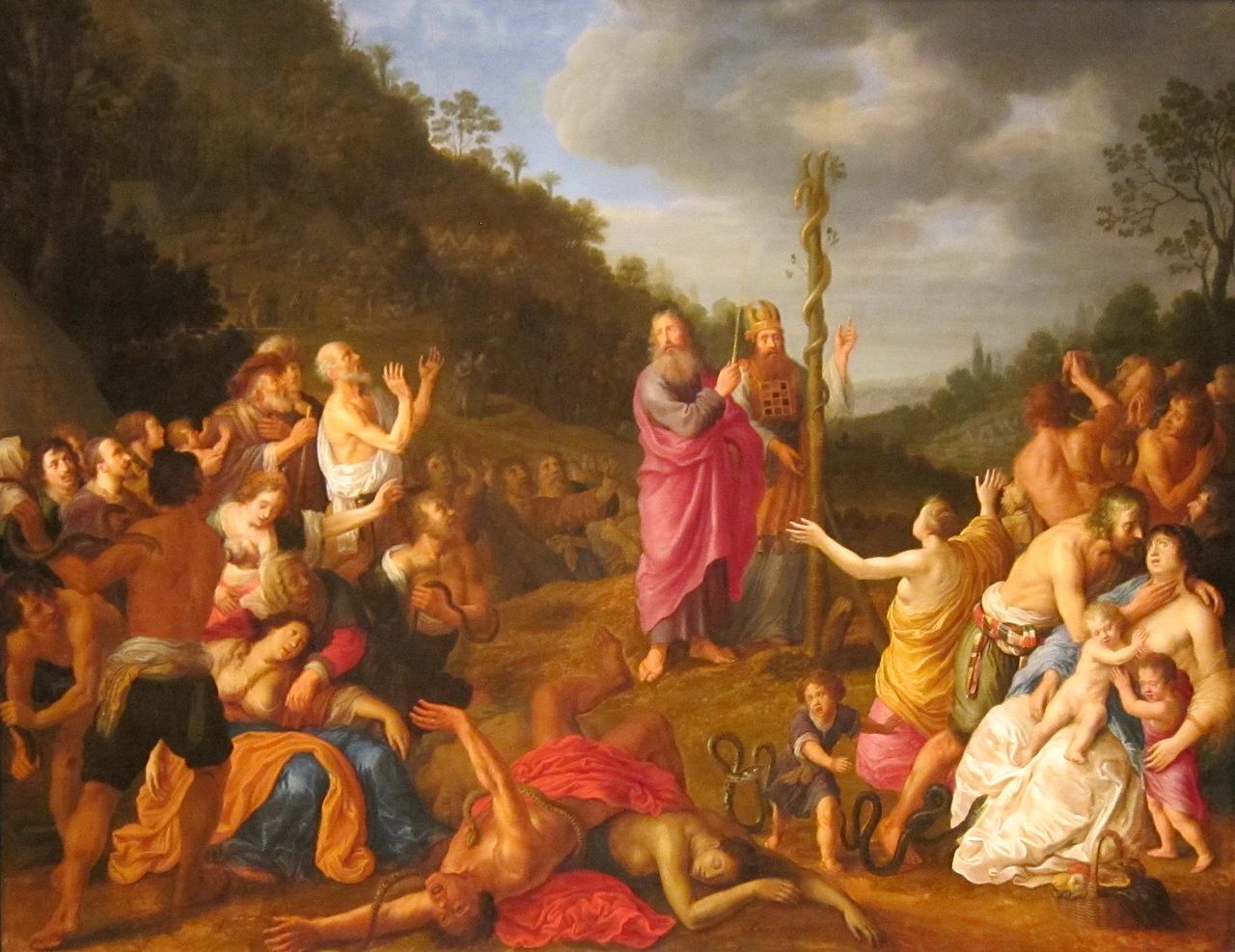
In the Old Testament reading, we see an example where God’s people have their prayer answered. In the wilderness wandering, the people sinned by grumbling against the Lord and Moses. As discipline, the Lord sent serpents to bring His people to repentance. When they realized their sin, the Lord answered their prayer with the bronze serpent. The serpent was placed on the pole so that the people might look to it and live. Christ, who is the true “serpent on the pole,” was lifted up for us on the cross. He bids us look to Him and live.

I.

The events in our text take place during the wilderness wandering. It seems that some time has passed since the people left Egypt. They’ve already sent spies into the Promised Land and refused to enter. Moses’ siblings, Aaron and Miriam, have both died. By now, the Lord has continued to provide for His people with the manna from heaven, with quail, and with water from the rock. Just before our text, the Lord granted victory to His people over some Canaanites who had been running raids and taking Israelites captive. However, the Holy Spirit speaks by Moses, “From Mount Hor they set out by the way to the Red Sea, to go around the land of Edom. And the people became impatient along the way.” (Numbers 21:4) You’re right, if you think by now that God’s people continually grow impatient and doubt His provision in the Old Testament. 

The text says, “The people spoke against God and against Moses, ‘Why have you brought us up out of Egypt to die in the wilderness? For there is no food and no water, and we loathe this worthless food.” (v. 5) Remember, this is after the manna, after the quail, after the water from the rock. God had been with His people all the way up to this point. He fed them; defended them. How do His own people repay Him? By questioning Him and loathing Him. When you loathe something, you hate it with the very core of your being. That’s how the people felt about God and about His servant Moses. In short, they fell into unbelief. The lack of faith in their hearts led to their words, actions, and general attitude. The Lord disciplined His people for their sin by sending “fiery serpents,” it says. The snakes bit the people and many died. (v. 6)

II.

This is a pattern we do see among God’s people of old: periods of unbelief resulting in contempt for the Lord’s Word, doubts about His provision, loathing what He gives, and other forms of sinful living. This was a pattern in days of old, but surely it’s not the case now is it? Let’s not move on so quickly. Many of us, by God’s grace, have – contrary to the world – been strengthened in the faith through this pandemic. This current strength in our faith isn’t always the case. You see, we, too, have doubted God’s Word. How often have we read something challenging in Scripture and, rather than say “amen,” we put it in the lowest filing cabinet of our minds. How often have we read Scripture and disliked what it said? How often have we done the opposite of what the Lord commands, and liked it?

We have doubted the Lord’s provision. In Bible study this week we talked about the Lord’s Supper, how it is our true daily bread and nourishment in this life. Have we always thought thus? Have we always treated the Sacrament as a treasure, or do we see it as a burden – what, with all the setup and take down and having to be faithful in our practice? We all go through periods where we think like this; maybe you are in one now. The Lord doesn’t always send serpents, but we receive the same discipline for our sin: death. The patterns we see in God’s people of old continue in us, His people now. And we receive, rightly, the punishment for our sins in death.

III.

Just as we see patterns in God’s people of old that continue now, so we see that our Lord acts now as He did then. The people learned from the serpents that they had sinned and they were brought to repentance. They asked Moses to pray to the Lord on their behalf, that they might be forgiven. The Lord heard and answered their prayer. He said to Moses, “Make a fiery serpent and set it on a pole, and everyone who is bitten, when he sees it shall live.” (v. 8) So, Moses did. He made a serpent and put it up on a pole. Whenever someone was bitten by a serpent, they could look at the bronze serpent and be healed. When they were bitten and brought to repentance, they would look to the serpent trusting in God’s promise of healing and, by faith, receive the same.

The bronze serpent comes up later in our Lord’s conversation with Nicodemus. He said, “As Moses lifted up the serpent in the wilderness, so must the Son of Man be lifted up, that whoever believes in Him may have eternal life.” (Jn. 3:14-15) The bronze serpent of old, which took away death caused by serpent, pointed ahead to the true “bronze serpent,” our Lord Jesus. He was lifted up on the cross to take away the eternal death of sin. He was lifted up so that our doubts, mistrust, and contempt for the Lord might be forgiven. Apart from His lifting up we would be, in the words of King David, like those who go down to the pit. But, in fact, Christ was lifted up for us.

In days of old, those who looked to the serpent were healed. They were healed not by magic, but by faith – faith is what led them to look at it in the first place. It is the same with Jesus. When we are brought to repentance through the knowledge of our sins, when we are aware of what punishment deservedly awaits us, He bids us look to Him and live. The bronze serpent cured the people of illness, but those who look to Christ receive eternal healing in the forgiveness of their sins. There’s a hymn we sometimes sing that ties this all together well. It goes: 

The Law reveals the guilt of sin

    And makes us conscience-stricken;

But then the Gospel enters in

    The sinful soul to quicken.

Come to the cross, trust Christ, and live;

The Law no peace can ever give,

    No comfort and no blessing.

“Salvation Unto Us Has Come,” Lutheran Service Book #555

May the Lord grant that we, being brought by the Spirit to know and lament our sins, might by the same Spirit to look to Christ, who bore our sins for us. May we learn ever to look to Him and live. Amen.

He Has Become My Salvation

Text: Isaiah 12

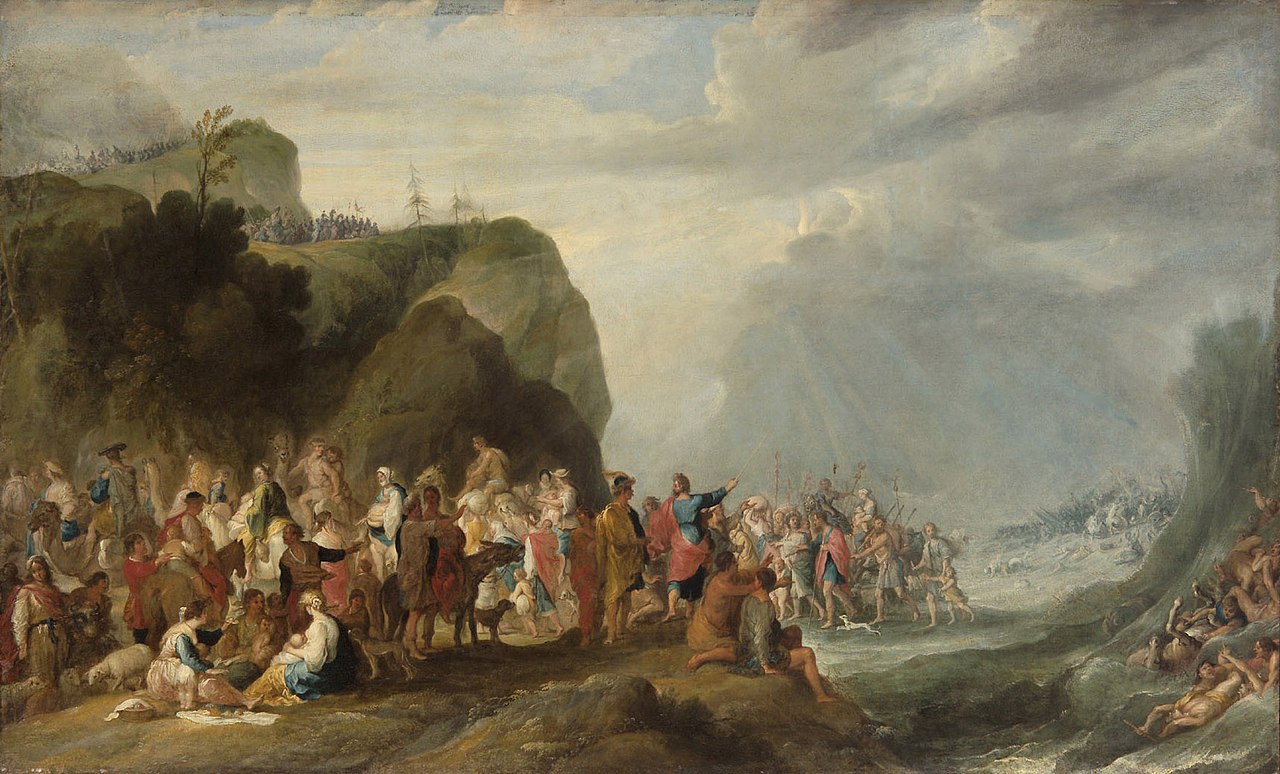
Oh, sing to the Lord a new song, for He has done marvelous things! His right hand and His holy arm have worked salvation for Him.” (Psalm 98:1-2, English Standard Version) We sang these words in the Introit today. They come from Psalm 98 and give us our Latin title Cantate, “sing.” Although they come from the Psalm, these words sound a lot like the song Moses sang after the crossing of the Red Sea, a song of deliverance. The Lord God with His right hand and mighty arm provided salvation for His people by bringing them across the Red Sea on dry ground; He delivered them from the Egyptians by turning the waters back on Pharaoh and his chariots. How can the Lord’s people not sing for joy after having received rescue from all their enemies?

Our text from Isaiah is also a song of deliverance, though it is wider in scope and scale than the Psalm or even the song of Moses. The song in our text is what will be sung by the children of God in the new heavens and new earth. We will sing for joy both as individuals who have been redeemed and as the collective, living body of Christ, the Church. Although this song has yet to be sung, we get a preview of it here in the text, and we celebrate today that two of our own will soon get to participate in the foretaste of this feast in the Lord’s Supper. With St. Isaiah, with saints of old and those yet to come, we sing to the Lord today for He has had mercy on us, become our salvation, and brought us into the fellowship of His Son.

I.

The song in Isaiah begins by looking back at that from which the Lord has saved us – His righteous anger and the fury of His wrath. It does this by way of confession, “I will give thanks to you, O Lord, for though You were angry with me, Your anger turned away.” (v. 1) With these words, let us explore what condition so many people live in, what were ourselves were conceived and born into: sin. Although all creation was created perfect, including our parents Adam and Eve, that perfection was shattered. Our parents used the free will they were given by God – including the ability to not sin – and, instead, grasped after being God. They created idols of themselves in their hearts and reached out to eat the fruit in worship of those idols. By their disobedience, they brought into the world the corruption of sin. In time, that corruption spread to all, all who were and have been born of natural human seed.

The Scriptures tell us how God feels about this – and about all sin – it angers Him. He hates sin, as the Scriptures say. (Mal. 2:16) Sin and its activity is no minor infraction; it is not something that prompts just a slap on the hand. Instead, it stokes God’s righteous fury and He demands its punishment saying, “The soul who sins shall die.” (Ezek. 18:4) At the giving of the Law on Mt. Sinai, God said, “The Lord will not hold him guiltless who takes His name in vain.” (Ex. 20:7) This wrath of God is not just against a world of sinners, but us as individuals. If we say we have no sin, we are deceiving ourselves. As we have been born of human seed, we also were born into sin and have lived in it. We also have built idols in our own image and reached out to the tree of sin. Therefore, we must also confess, as Isaiah, that the Lord was angry with us, “You were angry with me,” the song goes.

II.

I will give thanks to you, O Lord, for though You were angry with me, Your anger turned away, that You might comfort me.” In the ancient translation it says, “You had mercy on me.” It is true that we are sinners, that we have sinned in thought, word, and deed. It is also true that, for our sins, we had brought upon ourselves God’s righteous anger and the punishment due. But, it says, the Lord turned His anger away from us. The song continues that the Lord “is my strength and my song, and He has become my salvation.” (v. 2) Whence this change? The Lord was angry with us because of our many sins, but now His anger is turned away. How? A little while back, we read through the Book of Hebrews in our evening devotions. It was a little hard to follow, but the point of the book is that Jesus is the fulfillment of the Old Testament sacrifices and the payment for our sins. 

St. John phrases it differently, but he might be easier to understand. He says, “In this is love, not that we have loved God but that He loved us and sent His Son to be the propitiation for our sins;” the payment for our sins. (1 Jn. 4:10) Although God would have been just in punishing us for our sins, He took a different path; a harder one. Rather than pour out His wrath on us, He put forth His own Son in our place. In obedience to the Father, out of His own love, our Lord Jesus took our sins into Himself. On the cross, He bore all of God’s anger against our sin and died. As the Baptist proclaimed, Jesus is the Lamb of God that takes away sin of the world. That is what that word propiate means. Jesus paid for our sins, He atoned for them. Because He is not just fully man, but fully God at the same time, His death is able to pay for your sins, my sins, and the sins of the whole world. In His death, God became our salvation.

III.

By His death, Jesus removed the wrath that stood between the Father and us. His cross bridges the great chasm between us and brings us back into fellowship with the Father. By Jesus’ death, through the faith created in you by the Holy Spirit, you were brought back into fellowship with the Father. You singular were brought back into fellowship when you were joined to Christ; together we are His body, the Church. Not only were you saved by His death, but we all have been saved and brought into fellowship. That’s the way the song goes in our text. In verse one, the “you” there is singular. In verse 3, the “you” there is plural. The Lord has turned away His anger toward us as individuals. He had mercy and sent His Son to die for you and me. He became our salvation and brought us together in fellowship. The life of a Christian is not lived in isolation, but in fellowship with God and each other. This is something we get to celebrate today.

Today, two of our own get the opportunity to confess their faith in Christ. They get to acknowledge publicly that God’s wrath was turned away from them when Christ died, and that they received the forgiveness of sins and the gift of faith in their Baptisms. Upon this confession, as well-catechized members of the Body of Christ, they soon will join our fellowship in receiving the Lord’s Supper together. In the Supper, we see not only a picture of the Lord’s love for us but a demonstration of the unity that He creates through His Word. And that gives us, as a parish, a very good reason to sing.

It says in Isaiah, “I will give thanks to You, O Lord, for though You were angry with me, Your anger turned away, that You might comfort Me. Behold, God is My salvation; I will trust, and not be afraid; for the Lord God is my strength and my song, and He has become my salvation.” (vv. 1-2) Today we give thanks and sing praise for the salvation of God. Though He was angry with us, He has turned His anger aside and brought us together into the fellowship of His Son. Alleluia, Christ is risen. He is risen, indeed. Alleluia.

With Wings Like Eagles

Text: Isaiah 40:25-31

Shout for joy to God, all the earth. Sing the glory of His name; give to Him glorious praise…let the sound of His praise be heard, who has kept our soul among the living and has not let our feet slip.” (Psalm 66, English Standard Version) These words come from Psalm 66; they both give us the title for this Sunday and set the tone of our gathering. Today’s Latin title is Jubilate, which means, “Shout for joy.” We shout for joy because the Lord has not let our feet slip into death, but has kept us among the living through the resurrection of Jesus. Because He lives we shall live, also. From this we draw comfort, strength, and joy. This, indeed, is what our Lord promises to us in His Word today.

Through the prophet Isaiah, the Lord declares Himself, “The Lord is the everlasting God…He does not faint or grow weary…He gives power to the faint and to him who has no might He increases strength…They who wait for the Lord shall renew their strength; they shall mount up with wings like eagles.” (Is. 40) The Lord shows Himself in His Word to be the everlasting God of salvation, who gives strength to those who have none of their own. This, we confess in this time, matches us. Of our own, we have no strength. We have this promise, however: the Lord strengthens those who wait for Him in faith.

I.

Our text today is delivered through the prophet Isaiah. For the last couple weeks we’ve been hearing from Ezekiel; we will hear from him again before too long. Ezekiel prophesied during a very low point in Israel’s history: the Babylonian Captivity. For seventy years, as discipline for their unfaithfulness, the children of Israel were exiled by God to Babylon. Isaiah, from whom we hear today, prophesied over a generation earlier and in the kingdom of Judah. Although Babylon was rising at the time, from Isaiah’s ministry, it would be a hundred years or so before destruction comes. Through the Holy Spirit, Isaiah was given to see ahead to that time and give word to people who were yet to be born – us, included. St. Peter wrote in his first epistle that the prophets saw ahead to the time of Christ and they prophesied not for their own sake, but for ours; even we who come millenia later. A little back in Lent we heard Jesus when He said, “Abraham rejoiced that he would see My day. He saw it and was glad.” (Jn. 8:56)

As a prophet of God, Isaiah was given here to see the experience of God’s people a generation ahead, to hear their words. These were their words, “My way is hidden from the Lord, and my right is disregarded by my God.” (v. 27) In exile, the people experienced a new spiritual low. Rather than wait for the salvation of God, however, they lashed out against Him. They mocked God, thinking that He either couldn’t see what was going on with them, or He did know and didn’t care. Certainly this was the case with Babylon’s idols, who could neither see nor care. But to ascribe that to God is sinful. And yet, we have thought these thoughts, haven’t we? We continue to live in a pandemic and we are tempted to the same thoughts: maybe God can’t see us and our lives. Or else, maybe He sees our misery and doesn’t care. At the very least, this is what the world tells us, even some Christians, and we feel their burn.

II.

To whom then will you compare Me, that I should be like him? Says the Holy One. Lift up your eyes and see: who created these?” (vv. 25-26) These were the Lord’s questions to His people in exile. Though they were suffering and spiritually downcast, they had made a great miscalculation. When Israel got to Babylon, they saw how the Babylonians worshipped the moon and the stars. They gloated that their gods bested the God of Israel and, to an extent, the people were inclined to believe them. But that’s when the Lord came in. Who do you think created the sun, the moon, and the stars? God did. He knows them by name, He put them in place; they are His creations. We’ve all heard Psalm 121 where we are assured that the sun and moon won’t strike us – that’s a reference to how the pagan gods are just false and powerless.

Our God, on the other hand, is the creator of the heavens and the earth. He knows each star by name and put them all in their places. Unlike the false gods of the heathens, He does not hunger or thirst. He has no need of sacrifices to provide for Him. He does not grow faint or weary and He knows all things. He knows the troubles His people He endure, He sees their suffering. He observes all things that happen, even the gray hairs that fall from our heads. But where is the Lord going with this, why does He remind His people of His everlasting power, might, and knowledge? It is this: the Lord uses His might and knowledge for the benefit of His people, to give strength to those who have none, who wait for Him in faith.

III.

That is the promise that He makes here. St. Isaiah relates, “He gives power to the faint, and to him who has no might He increases strength. Even youths shall faint and be weary, and young men shall fall exhausted, but they who wait for the Lord shall renew their strength; they shall mount up with wings like eagles.” (vv. 29-31) This is the Lord’s Word to His people in exile. They need not despair, they need not fear that God is somehow unawares of their plight. It is the opposite that is true. Unlike the empty idols of the nations, the Lord alone is the everlasting God who has compassion and gives strength. They need only wait for Him in faith, and He will make them mount up as on eagles’ wings.

This Word of God is for us to hear, as well. We are far removed from the suffering of Israel in exile and from some of our Christian brothers and sisters around the world, yet we feel a longing. We feel a spiritual longing for the goodness of the Lord, to inquire – in person – in His holy temple. The words of King David remain true, “Wait for the Lord; Be strong, and let your heart take courage; Wait for the Lord!” (Ps. 27:14) The Lord our God is not some idol that cannot see or care. He is an everlasting God that cares for us so much that He sacrificed His Son to save us poor sinners. How will He not also rescue us from every present evil? So, today, we sing joyfully to the Lord, who gives us strength. Even now we are mounted on eagle wings in the forgiveness of our sins and we wait for the Lord to deliver us both now and in the time to come. Alleluia, Christ is risen! He is risen, indeed, alleluia!

I Myself Will Be the Shepherd

Text: Ezekiel 34:11-16

“The earth is full of the steadfast love of the LORD. Alleluia.” These words, which we heard this morning in the Introit, come from Psalm 33. They set the tone for this Sunday and give us the Latin for the third Sunday of Easter. The title for today is Misericordias Domini; Latin for, “the steadfast love of the Lord.” We confess this Sunday and this season – even in a pandemic – that the world is filled with God’s love for us. He continues to provide for all the needs of our bodies: He gives us oxygen to breathe, food to eat, water to drink, clothes to wear, and so on. In this season, we’re also witnessing plants putting out buds and flowers, each the handiwork of God’s love. Especially in this season in the Church year, do we witness God’s steadfast love for us in the resurrection of His Son, our Lord. Truly, the earth is full of the Lord’s steadfast love.

It is this love that brought God to speak to His people what He did in our Old Testament text. In the Gospel, Jesus often had compassion on the people because they were like sheep without a shepherd. The same is true of the people in Ezekiel’s time. They were displaced by war. Spiritually, they were dry, old bones – as we heard last week – and led astray by generations of unfaithful shepherds. The Lord promised through Ezekiel a time where He Himself would come and shepherd His people. He would be their good and faithful shepherd. This promise is fulfilled in the ministry of Jesus, which continues among us now in the Word and Sacraments.

I.

Our portion of Ezekiel 34 today is pretty well-known, and for good reason. It’s very likely that our Lord had this passage in mind when He called Himself the Good Shepherd. Just after our text, there’s an awesome passage where God promises the Incarnation. We heard from the Holy Spirit through Ezekiel last week, so you might remember the context. Remember, Ezekiel prophesied among the exiles of Judah during their captivity in Babylon. Jeremiah was also preaching during this time, but he mostly stayed back in Judah. What had led to the destruction of Jerusalem and the captivity of God’s people in Babylon was a period of generations of unfaithful shepherds among God’s people. Those shepherds were the kings and priests of the people who were unfaithful in their charge. They were supposed to encourage and lead the people by feeding them with God’s pure Word. But instead, they only fed and cared for themselves. They did not teach God’s Word, they allowed false doctrine and worship to flourish. The shepherds of Israel became no different from the kings of the world.

Unfortunately, the witness of the Old Testament is: as the shepherd, so the sheep. When Israel and Judah had faithful kings and priests, often the people were faithful. David is an example of this. Josiah, the boy king who found the Book of the Law after it had been lost for over 100 years is another. In the absence of faithful shepherds, the sheep became unfaithful to God. They sacrificed to idols and lived as pagans do: in lies, murder, and adultery. As discipline, God allowed Jerusalem to be destroyed and the sheep scattered. But, that time of chastisement would not last forever. The Lord said through the prophet Jeremiah, “Thus says the Lord: When seventy years are completed for Babylon, I will visit you, and I will fulfill to you My promise and bring you back.” (Jer. 29:10)

This is the promise our Lord builds upon in our text today. Here, He promises Himself to be the shepherd of the sheep. The Lord said, “Behold, I, I Myself will search for My sheep and will seek them out…I will rescue them from all places where they have been scattered…and I will bring them into their own land.” (Ezek. 34:11-13) Here the Lord promises, Himself, to be the shepherd of His people. Unlike the unfaithful shepherds of Israel, His focus would be on His sheep. He would gather them together, feed them, give them rest, and bring them into their own land. He would show them His steadfast love. In part, this is fulfilled by the return of the children of Israel to their home. After 70 years, God did raise up King Cyrus, and the people were returned to their own land. Its true fulfillment is something even greater.

II.

Today we heard our Lord speak to us in the Gospel, “I am the Good Shepherd. The good shepherd lays down His life for the sheep.” (Jn. 10:12) Jesus is the fulfillment of God’s promise to shepherd His people Himself. He came, as He Himself said, “to seek and to save the lost.” (Lk. 19) He came to gather “the lost sheep of the house of Israel,” (Mt. 15) who had been scattered both physically and, especially, spiritually. He did this by preaching and teaching in their synagogues. He shepherded His people through healing the sick and cleansing the lepers. He fed and nourished souls with His Word and then, as the Good Shepherd, laid down His life for His sheep on the cross. Apart from the shepherd, the sheep had gone astray in sin, but He won forgiveness by giving Himself into death, and eternal life by taking it up again.

Jesus’ ministry, the shepherding of the sheep promised through Ezekiel, isn’t something limited to the past, though. It continues now. In less than a month, we get to celebrate the Ascension of our Lord. The Ascension is when, 40 days after Easter, our Lord ascended to the right hand of the Father. Jesus’ ascension doesn’t mean that He’s away from us; it means that He is with us always. It means that He is, and will always remain, our Good Shepherd. We confessed in the Psalm, “The Lord is My Shepherd.” The title for today is Misericordias Domini, the steadfast love of the Lord. Out of love, our Lord became our shepherd. In love, our Lord continues to be our shepherd and we, His sheep. But, what does it mean that the Lord is our shepherd? How does He shepherd us?

Through Ezekiel, the Lord said, “Behold, I, I Myself will search for My sheep and will seek them out…I will bring them out from the people and gather them.” (vv. 11, 13) We confess today, and always, that we were each conceived and born in sin. We were united with the world in death, but the Lord sought us out and brought us out of the world of death through His Word. Through the Word, the Lord sent His Holy Spirit into our hearts and gave to us the gift of faith. By faith, we have been united to Him. Through the Word, also, the Lord continues to lead us. In the Word, He shepherds us in what is right and true. Through it, He comforts us and gives us rest in His promises.

The Lord promised through Ezekiel to feed His people with good pasture. This, the Lord does through His Word and, also, in the Sacrament of His true body and blood. The Lord’s Supper is true bread from heaven, given to be our sustenance as we travel through this weary world. In it, the Lord binds up our wounded hearts by giving us the forgiveness of sins He won for us. Through the Word and the Sacraments, the ministry of our Lord continues. He continues to be our shepherd, and we His people. He bids us take comfort in this and rejoice. And so, we do. We confess that, even in this pandemic, the Lord is our Shepherd and we, His sheep. Alleluia, Christ is risen! He is risen, indeed. Alleluia!

I Will Raise You from Your Graves

Text: Ezekiel 37:1-14

St. Peter wrote to his hearers, “Like newborn infants, long for the pure spiritual milk, that by it you may grow up into salvation.” (1 Peter 2:2, English Standard Version) From ancient times, these words were heard on this, the first Sunday after Easter in the Introit. In our congregations, we don’t often use the Introit; we use the Psalm in its place. The Introit is a portion of a Psalm, or sometimes other portions of Scripture, that is chosen to emphasize the theme of each Sunday. 1 Peter 2 was chosen for this Sunday because this was the first Sunday after the learners had been confirmed. They spent three years learning Scripture and Christian doctrine and then were baptized and confirmed at the Easter Vigil. They were encouraged today to continue longing for the Scriptures like newborn infants for milk or, in Latin, “Quasimodo Geniti;” our title this Sunday.

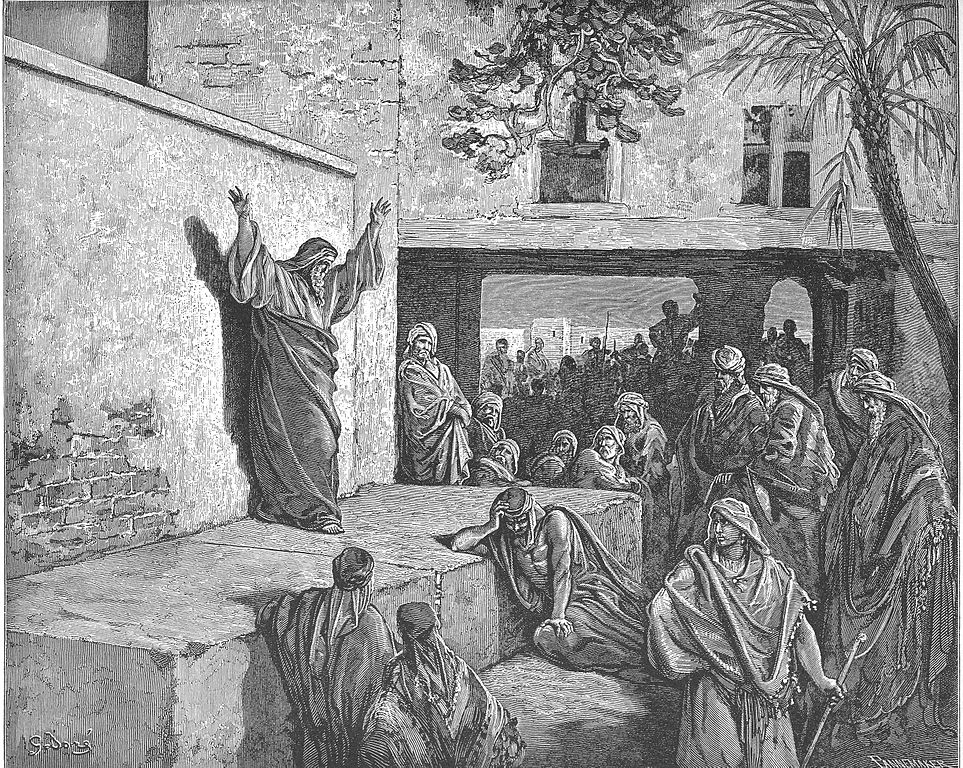
These also would’ve been good words for the children of Israel in Ezekiel’s time. Ezekiel’s whole ministry was spent in Babylon among the exiles there. Though their physical existence wasn’t necessarily terrible, their spiritual disposition was. We heard in the text how they considered themselves, spiritually, as old dry bones. They felt that they had been clean cut off from the goodness of the Lord. To the contrary, the Lord would raise them from their graves. Not only did the Lord make good on His promises to them, we also confess today that the Lord raises us from the grave of sin by the resurrection of our Lord, both now and in the life to come.

I.

Let’s go back a little bit and talk about Ezekiel. Lord willing, we’ll hear from the Holy Spirit through Ezekiel this week and next. In Old Testament history, there are some big pillar event things to know. One might be the life of Abraham, another the Exodus. Another important one is the Destruction of Jerusalem by Babylon. Jerusalem itself was conquered around 586 B.C. It was conquered then, but that was only after years of conflict and deportations. Babylon carried the people of Israel off to Babylon in waves before the destruction; Ezekiel was in one of the early waves. God allowed Jerusalem to be destroyed, just as He had the Northern Kingdom, because of their unfaithfulness. As a whole, the inhabitants of Judah were unfaithful to God in a variety of ways and they did not listen to the prophets God sent them to bring them to repentance. Therefore, God sent them more prophets to tell them that they would be carried into exile in Babylon. It would last 70 years, but then the Lord would raise up another servant who would return them to their homes.

The people of Judah forgot that last detail, for the most part. The Lord told people through Jeremiah that the exile would last 70 years and that He would take care of them even in exile. Through Isaiah, a generation earlier, God named King Cyrus of Persia as the one who would return them to their home. To remind them, God sent Ezekiel. The people in exile had forgotten God’s promises and felt, as they said, “Our bones are dried up, and our hope is lost; we are indeed cut off.” (Ezekiel 37:11) The people were represented in Ezekiel’s vision as the valley of dry bones. 

This is what the Lord sent Ezekiel to say to them,

Thus says the Lord God: Behold, I will open your graves and raise you from your graves, O My people. And I will bring you into the land of Israel. And you shall know that I am the Lord, when I open your graves, and raise you from your graves, O My people. And I will put My Spirit within you, and you shall live, and I will place you in your own land.

Ezekiel 37:12-14

The Lord did exactly what He said. Some time later, the Lord raised Cyrus who returned the children of Israel to their own land. They were not cut off; the Lord raised them from their grave of captivity and brought them home.

II.

That we are cut off from God is maybe something that we’re feeling about now. For members of our congregations here in Iowa, it’s been over a month since we’ve been able to gather in person. We used to take for granted the freedom we had to gather every Sunday – or whenever we want – to sing and pray to the Lord. Now, we are experiencing a sliver of what our Christian brethren around the world and throughout history have. It’s easy to lose hope and feel like old, dry bones. What really cuts us off from God, though, isn’t this pandemic; it’s sin. Each of us, from the youngest to the oldest, has lived and does live in sin. We were sinners before we even drew our first breath. For our sin, we rightly deserve to be cut off from God and severed from His presence eternally in hell.

Thankfully, our God chose not to carry out that sentence on us. Instead, He sent His own Son into the flesh to save us. He didn’t save us by snapping His fingers, no; but by joining us in death. Jesus lived the perfect life, He kept the Law of God perfectly. He did not deserve to die; He instead took our sins into Himself and paid for them with His death. Then, He rose from the dead, showing that our sins really are paid for. We have not been cut off from the goodness of God; He continues to care for us and give us life through the Resurrection of His Son, our Lord, Jesus Christ.

III.

Through Ezekiel, the Lord promised to raise His people from their grave. There, He was speaking about returning His people from their exile to the Promised Land. We can also take courage from this promise today. The Lord has promised, and does, raise us from the grave of sin by the Resurrection of Jesus. The Resurrection of Jesus is applied to us through the Means of Grace. In the Gospel reading today, we heard Christ institute one of those means, the Office of the Keys. By breathing out the Holy Spirit on His disciples, Jesus both gave the Keys to His Church on earth and instituted the office through which they are exercised. The Office of the Keys is the authority Christ gives to His Church to forgive the sins of those who are repentant. When the called pastors of the Church speak to us that, for Christ’s sake, our sins are forgiven – they are forgiven. When the Absolution is spoken, it is like Christ bringing us out of the grave of sin like Lazarus from the tomb. 

Our Lord is superabundant in His grace. He doesn’t apply Christ’s resurrection and the forgiveness He won for us only through the Absolution, but also in our Baptism, in the Lord’s Supper and even in the Christian encouragement we give each other. This is all because of the Word. The Word is the instrument of the Holy Spirit, the “active ingredient,” in the Sacraments. Through the Word, in these many ways – and even in this pandemic – we are not cut off from God, but continually raised by Him from the grave of sin.

Hidden in our text is also a preview of the Resurrection that’s yet to come. We heard about it last week from the prophet Job. In Ezekiel’s vision, he saw bones being raised from the dead, covered with muscles and skin. Though it may seem gruesome at first glance, this is exactly what we are awaiting from the Lord. We know that, because of sin and pending our Lord’s return, we will return to the dust from whence we came. Our souls pass unto Christ’s presence, but our bodies will decay. That is, until Christ returns. He will come and call our bodies out of their graves. He will restore our flesh and change our mortal bodies to be like His glorious body. Then, we will live forever with Him and our fellow Christians. The Lord is not one to cut off His people, not then and not now. Yes, we are in a difficult time; but the Lord’s promise holds true. He raises us from the grave of sin now through the Resurrection of Christ and He will raise us to live forever on the Last Day.

Who Gets the Final Say?

Texts: Job 19:23-27; Mark 16:1-8

Oh that my words were written! Oh that they were inscribed in a book! Oh that with an iron pen and lead they were engraved in the rock forever! For I know that my Redeemer lives, and at the last He will stand upon the earth. And after my skin has been thus destroyed, yet in my flesh I shall see God.

Job 19:23-26, English Standard Version

These words of the prophet Job, where he expresses his confident hope in Christ’s resurrection, serve as our text this fine Easter day. Today is the day that our Lord triumphed over death and the grave for us. Though He died, yet He lives. Because He lives, we shall live also. The empty tomb we celebrate today shows us that Christ, not death nor the devil, gets the final say. 

I.

The book of Job is not always high on the list of books of the Bible that we love to read. That’s partly because of its length and partly because a large portion of it is poetic. These mark it harder for us moderns to dive into it than, say, Luke or Acts. Most us, however, do have some familiarity with Job – especially the opening chapters. In just the first chapter, Job, who was a righteous and faithful man, lost to death his seven sons and three daughters. Job was also a wealthy man and, at the same time, lost all his sheep, camels, oxen and donkeys, and his beloved servants. In just a short course of time, Job lost everything that he had and loved. They all died. The temptation for Job throughout the book is to doubt God’s goodness and allow death and the devil to have the final say. Job’s friends and even his wife pester him to believe this.

It’s a temptation we share, as well; to think that death is the final authority. All around us, for over a month now, we’ve seen fear and panic and anxiety. The Lord has worked good changes in some; but to use our Lord’s words, the world is filled with “fear and foreboding” about what is going on. Every day we hear about the number of infections and deaths, and we can fall into a line of thinking that puts death at the top of the food chain. We begin thinking that we’re all going to die and there’s nothing we can do but wait and accept our fate.

The women had accepted it when they went to the tomb. After all, it had been three days since they saw, with their own eyes, Jesus die on the cross. The reason they went to the tomb was to perform one last act of love for their master. They were going to anoint His body with oil and spices to cover the stench of death’s decay. Jesus’ promised resurrection wasn’t on their minds. What was, was the large stone blocking the entrance to the tomb. They had accepted Jesus’ death – that death would claim Him just as it does everyone else – and now only worried about how to get to His dead body.

II.

When they got to the tomb, though, what did they find? They found that the stone had been rolled away. Going into the tomb, they found that it was empty, save for a young man sitting on the right side – an angel. The angel said to them, “Do not be alarmed. You seek Jesus of Nazareth, who was crucified. He has risen; He is not here.” (Mk. 16:6) In other words, their ideas about who had the final say in all things were incorrect. It is true, Jesus did die. The death He died, He died as the once-for-all-time payment for our sins. But death could not hold Him, and it didn’t get the final say. The empty grave shows that it belongs to Jesus. He did battle with death and the devil for us, and burst forth triumphantly from the grave.

Job, for his part, was a prophet. By His grace, the Holy Spirit gave Job to see Christ’s resurrection and the great blessing that comes through it. You see, when Christ rose from the dead, He took away death’s fearsome fangs and claws. Death no longer has the power to enslave because Christ tripped the snare; but He didn’t do it just for Himself. The Scriptures say that those who are joined to Christ by Baptism and by faith are joined to His death and resurrection. The resurrection of Jesus means the resurrection of those who believe in Jesus, such as Job. Job knew that, that even after everything else wastes away, at the end of it all, Christ gets the final say. And, what does He say? To us, He says, “Life.”

This is what we celebrate today, even in a pandemic. God is on our side, what can death do to us? Jesus did die, this is true. He died on the cross as the payment for our transgressions. But, today, He rose. His resurrection shows that our sins are paid for and that death no longer gets the last word. That belongs to Jesus who, by His death and resurrection, makes our death but the gateway to eternal life in Him. By His resurrection, Jesus removes death’s sting. It is still bad, it is still the punishment of our sin, but we no longer need fear it. In fact, this is what we’ve already said in the Psalm, “I shall not die, but I shall live, and recount the deeds of the Lord. The Lord has disciplined me severely, but has not given me over to death.” (118:17-18)

The empty tomb shows that our Lord, not death, gets the final say. After three days, He burst forth from that dreadful prison and left its bars shattered for those who are in Him. When He returns, He will give eternal life to mortal bodies and we will live with Him forever. Alleluia, Christ is risen! He is risen, indeed. Alleluia!

Our Iniquity was Laid on Him

Text: Isaiah 53:4-6

Tonight we gather in repentance and somber faith to confess that this is the day our precious Lord was crucified for us. Today is the day that the weight of all God’s wrath against human sin came to bear against our Jesus, the only one in all creation without sin. In the midst of this pandemic we are enduring, we must also confess that it is our own sinfulness that led to that fateful night some 2,000 years ago, and which brings us here tonight. It is our iniquity that has brought us here; it is the Lord’s steadfast love that will bring us through. Because we were unable to pay for the iniquity of our sin, God the Father placed it upon our Lord, instead.

The prophet Isaiah sang of our Lord throughout his ministry. Our text this evening is the word of the Holy Spirit in Isaiah 53, 

Surely He has borne our griefs and carried our sorrows; yet we esteemed Him stricken, smitten by God, and afflicted. But He was pierced for our transgressions; He was crushed for our iniquities; upon Him was the chastisement that brought us peace, and with His wounds we are healed. All we like sheep have gone astray; we have turned—every one—to his own way; and the Lord has laid on Him the iniquity of us all.

Isaiah 53:4-6, English Standard Version

I.

Yes, it is our sinfulness that brought upon that awful day 2,000 years ago, that led to what Isaiah said, “He was pierced for our transgressions; He was crushed for our iniquities.” But, what does it mean to transgress, commit iniquity, to sin? We confess from the Scriptures that our God, in His infinite wisdom and for the good of His creation, set the standard of what is good and right and what is evil and wrong. As the creator of all that exists, it was His right to do so. At Creation, He wrote this standard upon human hearts and spoke it to our first parents. On Mt. Sinai, He wrote it on tablets of stone. To sin is to disregard this Law. To transgress is to go beyond and outside of what God says is right. Iniquity is the condition we are all in. We have each – every one of us – disregarded God’s Commandments throughout our lives and lived as though we are God.

The Lord declares in His Word, “I am the Lord; that is My name; My glory I give to no other.” (Is. 42:8) That is to say, God is the only God. He does not allow pretenders, such as our sinful selves, to stand. Instead, He punishes in His righteous fury those who claim His glory for themselves. Our first parents were warned what would be the punishment of their sin – death and eternal separation from God in hell. This is not just the punishment of sin in general, but of each sin in particular. Every time we have sinned, we have incurred the punishment of death and condemnation.

At different times in our lives, we become aware of this fact. Unfortunately, we have resorted to our human wisdom to address this issue. Our nature is to always assume that we can make up for something we’ve done wrong; that we can do good to offset something bad. We carry this into the spiritual realm and figure that we can do something to make up for what we’ve done. St. Isaiah speaks the truth when he confesses, “We have all become like one who is unclean, and all our righteous deeds are like a polluted garment.” (64:6) Whatever we might think to do to bring ourselves back into God’s favor, whatever we might think are righteous deeds, are in fact wretched in God’s eyes. Not only can they not pay for our sins, but God sees our attempts at righteousness and spits them out of His mouth. Attempting to make ourselves righteous by our works is the same as sinning. Neither leads to a good end.

II.

If left on our own, we would – without doubt – perish eternally. Our Lord, however, is not just a righteous judge, but a loving and kind father. Even before the foundation of the world, He saw our wretched state and determined, Himself, to rectify it. He turned to us a Father’s heart, and did not take the easy part. St. Paul wrote to the Galatians, “When the fullness of time had come, God sent forth His Son, born of woman, born under the Law, to redeem those who were under the Law.” (Gal. 4:4-5) This, also, is what Isaiah prophesied. Rather than extract the punishment of our many sins from us – which would be just – He took another path. He sent His own Son, Jesus Christ, into the flesh for us.

Jesus was conceived by the Holy Spirit and born of the Virgin Mary. Jesus was born without original sin, and did not commit any sins. Isaiah said, “He [did] no violence, and there was no deceit in His mouth.” (53:9) Instead, He carried our griefs and bore our sorrows. The Lord placed upon our Lord the iniquity of our sin. The guilt of our sins, of the evil and perverse things that we have done, God the Father placed upon Jesus, who bore them willingly to the cross. On the cross, our Lord was forsaken by God and on Him was poured all of God’s wrath against our many sins. Jesus gladly did this, so that we might have peace.

As we said a moment ago, our sin is what has brought us here. Our sin is what introduced death into the world. Sin is why we are afflicted as we are now, and it is why we will die. Yet, our sin is also why our Lord died. Only, the death He died, He died as the payment for our sin and to change the outcome of our death. Isaiah said, “He was crushed for our iniquities; upon Him was the chastisement that brought us peace, and with His wounds we are healed.” Jesus’ death means that our debt is paid. It means that we have peace with God. It means we are forgiven, but only at a great cost. So, we gather tonight in somber repentance and faith to confess our great sinfulness, but also our Lord’s great love and mercy. Lord have mercy. Amen.