Second Sunday after Trinity Luke 14:15-24

I want to begin my inaugural sermon by giving thanks to Almighty God, the Holy Trinity: the Father, the Son, and the Holy Spirit. Both congregations, my family, and I have witnessed God’s overwhelming compassion and faithfulness toward His church and those who desire the noble task of being a pastor. Many of you know there was no call extended to me on the appointed day for giving calls to the office of the Holy Ministry. Also, leading up to call day, Grace and St. John’s were informed that they would not receive a pastor. Yet in God’s abundant compassion upon his people, he works all things for our good for those who trust and love him. Much like the prophet Jeremiah, who doubted whether he could speak the words of a prophet, God puts his word in the mouth of Jeremiah so that he will not be afraid. The Lord’s mercy and faithfulness extend to his church. We see in Matthew’s Gospel that it is Jesus who has compassion for His people, as they were like sheep without a shepherd, and so He sends laborers into the harvest field. The Lord of the church does not desire to leave his flock; instead, he continues to train and raise up men to serve in his stead to feed and tend his sheep. 

The church is, by nature, the assembly of the baptized; those who put on Christ in the waters of rebirth, forgiving them all their sins. God has also given the baptized the right and the duty to call pastors to usher them into the wedding feast of the Lamb in His kingdom, which will have no end. It is the pastor who brings sinners closer to the kingdom of God and prepares the saints of God for one of two things: the second coming of our Lord Jesus Christ or their own Christian death. In baptism, preaching, and the Lord’s Supper, you are made ready to behold the face of Jesus Christ. The Lord desires all to be saved and to come to the knowledge of the truth, and the Office of the Holy Ministry is the embodiment of God’s invitation for all people.

So, let us turn to our gospel text to understand God’s invitation and His Holy Ministry as he instituted it. Jesus tells this parable in response to the statement, “Blessed is everyone who will eat the bread in the kingdom of God.” Indeed, this is a true statement made by the man; yet, Jesus tells the parable to reveal how this heavenly bread is given to sinful men.

The master who gave the great banquet in the parable is none other than God, the Father. God earnestly desires to feed his people so that he can eat with them. Eating with the Lord is his demonstration of love for and communion with sinners. The Lord feeds his people in the wilderness with manna and quail from heaven. The prophet Isaiah foresees a feast of rich food and well-aged wine upon a mountain as the Lord has swallowed up death forever and wipes away tears from all faces. And in the desolate place, Jesus receives five loaves of bread and two fish from his disciples and feeds over 5000 men. Therefore, God is the host of the great banquet, and he eagerly awaits those he has invited.

The Lord sends out his servants to those he previously invited to his banquet. But none of those, except the invitation. All those who reject the invitation are those who knowingly or unknowingly reject the Lord. Luke tells us that they all began to make excuses. The first man says he has bought a field and must go and examine it. These people prioritize the earthly and temporal gifts given by God over God Himself. They give up or forget about God to focus solely on the vocation and riches that God has graciously blessed them with. Instead, he should have received the invitation graciously, knowing that God has already given him everything he needs.

The second man rejects the invitation because he has recently bought five yoke of oxen. These people are those who may not even know God at all. They only believe that this world is all that is out there, and nothing else is waiting for them. So they focus on accumulating as much as they can for themselves. For they believe that if they accumulate enough possessions, wealth, and influence, they might leave some mark on the world. By creating a legacy of more, it will soon fall apart because eventually, someone will always have the most, leaving their legacy forgotten. Instead, he should put his legacy in Christ, for in Jesus, no one is forgotten.

And finally, the third man, who has recently taken a wife, rejects the invitation because he prioritizes his relationship with her over his devotion to God. They are worried that attending church will lead to judgment by others. They might offend their family because someone may not like what the Bible teaches. They are afraid that if they are honest about their faith in Jesus Christ with their loved ones, they will be an outcast. They might rather sacrifice knowing Jesus Christ than risk appearing as if family doesn’t matter. Yet, Christ, our brother in human form, brings us together to be one with him as the family of the baptized.

Dear friends in Christ, you may know some of these people, for we were these people. Yet God does not give up, as he has prepared the great feast and desires his banquet hall to be filled. And so he sends his servants again, first Jesus Christ, then the apostles, and now his pastors. The invitation is the Holy Spirit, who creates faith and is received with gladness. The invitation they speak of in the parable is the proclamation of the kingdom of God that Christ has come to call sinners to repentance and believe in him. 

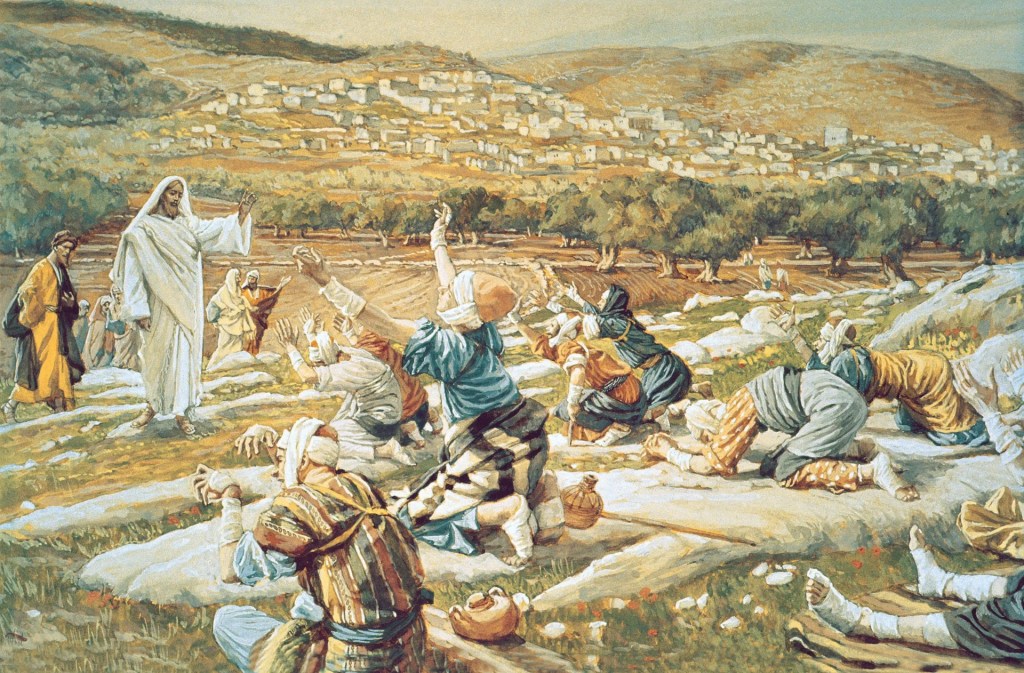
God has not sent His Son for the righteous, but for the unrighteous. This is why the servants of the master come and extend their invitation to the poor, crippled, blind, and lame. In other words, God now sends his message to poor, miserable sinners. God’s compassion is so deep that he desires the banquet hall to be filled with sinners. Sinners that are forgiven the blood of Jesus Christ, who have received his word by the power of the Holy Spirit, who has created them anew through Word and Sacrament. 

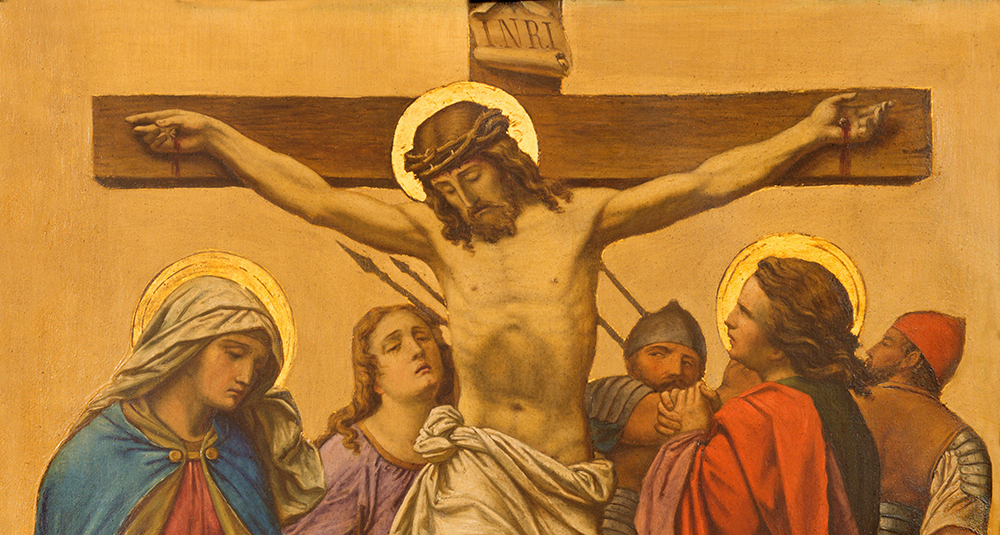
This is the will of God that the banquet halls of heaven would be filled and overflowing. For this purpose, he has given us his only begotten son, who was sent to bring the message of the Father’s invitation and pay the cost. It is only by the blood of Christ and his sacrifice on the cross that we are able to come into the Father’s presence. It is only for the sake of Christ, and the Holy Spirit that comes into our hearts, that we receive his invitation. We do not accept it by our strength or merit. Yet because of Jesus Christ and him crucified.

And now we come to the end of the parable. The most uncertain phrase that Jesus has to say about this banquet is: “For I tell you, none of those men who were invited will taste my banquet.” As those who rejected the Father’s invitation, now the Father has also rejected them. For those who come to the Lord’s banquet, do not forsake the grace of the Master. Now you may ask, “How do I do this, pastor?” The answer is certain. Continue to put your trust in Jesus. This parable teaches that Christ is the invitation extended and accepted by the Holy Spirit, and apart from God, we can do nothing. Continue to hear his word, cling to his promises, do not abandon the baptized, and receive his supper often. 

When we hear the invitation of the God Father through Christ, the Holy Spirit is at work, bringing you closer and closer to his final banquet. He desires you to be in the banquet hall of heaven, filled with forgiven sinners for whom Christ died. Jesus is our only hope. May by God’s grace and his holy spirit, we always put our trust in Jesus, who brings us to His Father’s banquet.

Run That You May Obtain It

Text: 1 Corinthians 9.24-10.5

In the Gospel reading this week, we heard about God’s gracious attitude toward us in Christ. Throughout the generations, through His many faithful witnesses, the Lord has sent the Good News of the forgiveness of sins out into the world. According to His will, He causes people to hear His Word at various times and in different ways and works in them the gift of faith: now, some people over here; then, some over there. Through hearing the Word, faith is created and the forgiveness of sins is bestowed. Through the same Word, all who are called to faith in Christ are also led by the Holy Spirit to share His Good News with the world. Our Lord describes this to us as a master calling laborers at different times to work in His vineyard. By His grace, they all received the same wage – whether they had worked long or short. So, too, does the Lord reward us not according to our many years in the congregation but according to His grace.

At the end of the day, though, those who had worked the entirety found themselves at odds with the master of the house. They had agreed with Him for a denarius (which was a day’s wage) but, when the time came to receive their payment, they figured to receive more. They wanted more because they had changed for themselves the expected outcome of their labor. Our Lord doesn’t say whether they actually received their denarius. It’s possible, knowing what we do about people, that they were so upset they left it behind. Jesus said in another parable, “To everyone who has more will be given…But from the one who has not, even what he has will be taken away.” (Matthew 25.29 ESV) Those laborers, to bring in St. Paul’s epistle, were found to have been boxing with the air and running aimlessly. They did not receive the end of their labor. Today, St. Paul encourages us to run our course of faith with purpose, that is, that we keep what God has promised as our sole focus.

I.

By the inspiration of the Holy Spirit, St. Paul writes to us, “Do you not know that in a race all the runners run, but only one receives the prize? So run that you may obtain it. Every athlete exercises self-control in all things. They do it to receive a perishable wreath, but we an imperishable.” (1 Corinthians 9.24-25) Apparently, not far from Corinth, there was an athletic competition that was second only to the Olympics. It was called the Isthmian Games, which featured events such as running, wrestling, boxing, javelin throwing, jumping, and the discus. It seems that one of these games was held during St. Paul’s stay in Corinth. He and the congregation would’ve had the opportunity to witness these events and ply their trades. Paul, by vocation, made tents – useful for out-of-town visitors to the games. So, Paul used here something in the mind of the Corinthians to teach them. 

Of course, he’s not preaching to the Corinthians about running or boxing in the games but running the race, fighting the good fight, of faith. In that regard, the Corinthians were in danger of missing the finish line or landing punches only on thin air. The Corinthians had lost sight of what the Lord had called them to. When they received the forgiveness of sins through faith in the Gospel preached to them, they had been called to lives of faith and service. They had been freed from the condemnation of the Law and the chains of sin and death. Sadly, they were misusing their freedom. In close connection to our text was the issue of eating food sacrificed to idols. Truly, there is no reality behind an idol. There is no real figure or power behind their representation because there are no other Gods other than the Lord. Knowing this, it was permissible for the Corinthians to eat food that had been sacrificed – but not if it caused spiritual harm to their neighbor. Some newer members, who had not yet fully realized that there were no other gods, could see older members eating that food and reach the wrong conclusion. But, apparently, that didn’t stop them.

There were other ways that the Corinthians were running the wrong way. One among them was in a sexual relationship with his stepmother – with the knowledge of the rest of the congregation – who did nothing. The members of the congregation brought lawsuits against each other. Some continued to engage prostitutes in the pagan temples. In short, they were very much in danger of running their course in vain. It was very possible that they would end up like so many of the Israelites, who were laid low by God in the wilderness. Moses tells us that 600,000 fighting-age men went through the Red Sea out of Egypt but only 2 – Joshua and Caleb – made it to the Promised Land. Rather than receiving the call of Christ as an invitation to love and service, reflecting the free forgiveness of sins, the Corinthians claimed Christ’s power as their own and were in danger of missing the finish line.

II.

This is a danger we, too, face. The reality of the Corinthians is also ours. Just as Jesus Christ came in the flesh for them, so He entered His creation for us, too. He placed Himself beneath the Law for us, as well, and kept its righteous demands in our stead. He suffered for our sake the punishments due our sins and bore the wrath we merited when He was forsaken by the Father for us on the cross. When He rose from the dead, it was so that death’s hold over us would be ended and that the devil no longer have any power to threaten us. In a word, we are free. We are free from sin, free from death, free from the devil and hell. We are free to serve, wherever the Lord has placed us. We have received His gracious invitation and look forward to its reward. Or, at least, we should.

Rather, the danger we face with the Corinthians is that we misuse our freedom in Christ. Instead of using our freedom to serve Christ and our neighbor, we serve ourselves. That’s pretty much the definition of sin, that we serve ourselves instead of God and others. When the Corinthians knew there was a man caught in sexual immorality among them, they didn’t do anything. St. Paul called their reaction to the matter, “arrogant,” for they decided that, since Christ’s grace is more powerful than sin, they could just let him continue. Don’t we do this with our sins? None of us has struggled against temptation as strongly as we should. Sure, we resist for a time but, almost inevitably, we give in. As this pattern becomes a habit, we begin to excuse ourselves. We figure, since Christ is going to forgive us, what difference does it make if we add another sin to our account?

We do this with the Third Commandment when we don’t read our Bibles. Maybe we think that, since we’re not all pastors, we don’t need to study it or grow in our understanding. We fail to see that as rejecting the Word of God. When we are angered by our neighbor, we don’t immediately repent of it but entertain it, sometimes for a great long time. When our neighbor is angry at us, we hesitate to be reconciled because we don’t want to admit our sin. We all can think of things that our neighbor has, that we feel we would more justly enjoy. Lastly, we misuse our freedom in Christ as a coverup for evil against the Sixth Commandment when we do not honor our marriages as we should: by loving, sacrificing joyfully, and forgiving one another; by extolling marriage and commending it to future generations. Instead, our marriage, at times, is the last thing on our minds. All these things, and more, we have done as Christians. We’re running the race, sure, but we’re veering off the course. St. Paul envisioned a race in the stadium around a track. Perhaps we could think of running cross country but missing a turn and wondering where the course is going.

III.

St. Paul said, “So I do not run aimlessly; I do not box as one beating the air. But I discipline my body and keep it under control, lest after preaching to others I myself should be disqualified.” (26-27) For the Corinthians, there were some definite literal applications here. The man who shared a bed with his stepmother had to stop (which, he did). Those who engaged temple prostitutes in their former lives must do so no longer. If someone is burdened by lust, he or she should seek to be married. Those who were hungry for meat could get it somewhere other than the in-house restaurant at the local pagan temple. Running the race to which God had called them in Christ required bearing their crosses and keeping their bodies (and minds) in check. Same for us.

Many of us, most of us, were called to faith in Christ as children, in our Baptisms. We have been drafted into the Lord’s vineyard for service in His name or – to stay with St. Paul – entered into a race. This race has a great reward for its price, the imperishable wreath of eternal life. We want this prize, therefore we must run this race with purpose. We must keep our bodies in check and desire firmly what our God has promised. On our own, this is impossible. We all learned in the catechism that there is no merit or worthiness in us. Thankfully, God the Holy Spirit is already working in our hearts. For one, we are here right now. He has placed a desire to hear God’s Word in our hearts. May He grant us, also, to listen to it and earnestly desire what He says. We know that He will. May He grant us contentment with the denarius promised – the forgiveness of sins and eternal life – and a desire to live and serve accordingly. Amen.

A Divine and Loving Order

2024.01.14 Epiphany II – Manuscript

Text: Ephesians 5.22-33

In the Fourth Commandment, the Lord our God commands us to honor our father and mother. We all learned in the Catechism that we should take from these words that it is our duty not to despise or anger our parents, or others in authority above us, but, to “honor them, serve and obey them, love and cherish them.” We understand from these words, and other words of Scripture, that God has built an order into creation. Of course, He is at the top, but beneath Him – as far as Scriptures are concerned – come parents. The family is an original institution of God in the Garden of Eden. God brought Adam and Eve together, giving us the gift of marriage. He blessed their union so that it might bear fruit in the birth of children. According to His will, God places each person in their station, and He calls us to live within the authority entrusted to us. Parents honor God by bringing up children faithfully (and in the faith). Children honor God by serving their parents. We all honor God by being obedient to the authorities He places above us for our good.

Our text today concerns the oldest institution there is in creation, the relationship between husband and wife, marriage. Unfortunately, if we didn’t have the lectionary to bring it up each year, this text would have long fallen out of use in the Church for the sake of one word: submit. The people of our time hear this word, in connection with the relationship between a wife and her husband, and they dismiss it as demeaning and patriarchal. A better translation is “be in submission to,” and St. Paul doesn’t primarily have earthly marriage in mind here but the relationship between Christ and His bride, the Church. Jesus Christ, being the Lord of all things, made Himself a servant and gave Himself up for His bride. She, in turn, willingly serves Him in thanksgiving for the redemption she has received. God the Holy Spirit produces this will in her heart. By the gift of the Holy Spirit, the Lord leads us all to live faithfully where He has placed us.

I.

It’s too bad that this text is not read and taught more often, as St. Paul so beautifully describes for us what Jesus has done for us. We sometimes are told that this text is primarily about husbands and wives but, really, it’s about Jesus first. St. Paul wrote, “Husbands, love your wives, as Christ loved the church and gave Himself up for her.” (Ephesians 5.25 ESV) This letter to the Ephesians is very well known to us Lutherans because this is one of the books that teaches us explicitly that we are saved by God’s grace through faith in Christ. But, before saying this, Paul lays out what we needed to be saved from. Paul called us, by nature, children of wrath. We were enslaved to the devil, carrying out at all times the desires of our corrupt bodies and minds. If left to our own devices, we would have perished eternally. But God had mercy on us and He came into the flesh for us. Then, He gave Himself into death for us.

We remember that when Judas came with soldiers and officers of the temple to arrest Jesus, St. Peter drew his sword and cut off the ear of the high priest’s servant. Jesus told him to put the sword away. If He wanted, Jesus could’ve asked the Father and He would’ve sent twelve legions of angels; but He didn’t. Jesus gave Himself into death. He willingly bore our sins and the pains of the nails and thorns so that we might be “sanctified,” that is, made holy “through the washing of the water with the word.” (26) Although He is the Lord and creator of all things, Jesus made Himself a servant on our behalf, sacrificing Himself for our good. Through His death, He atoned for our sins. In Baptism, He applied that forgiveness to us. Through our Baptism, we are made righteous and holy in His eyes. By the benefit of His love for us, He views us as having no “spot or wrinkle or any such thing.” This means, Christ looks at us and cares for us as if we had no sin at all. He nourishes us now, and feeds us, through His Word and Sacrament because, through these things, we are His same flesh and blood. In return, we, as the Church, place ourselves at His feet. We listen to what He says and strive to do what He teaches. We do this, not out of compulsion, but by the guidance of the Holy Spirit. 

II.

St. Paul wrote,

‘Therefore a man shall leave his father and mother and hold fast to his wife, and the two shall become one flesh.’ This mystery is profound, and I am saying that it refers to Christ and the church. However, let each one of you love his wife as himself, and let the wife see that she respects her husband.

Ephesians 5.31-33

This relationship of Christ and the Church is the model for our earthly marriages. Ours is a God of order. Although, equal to the Father with respect to His divinity, God the Son places Himself beneath the Father. The Church lives in submission to Christ. God places children beneath their parents. All these things serve for our benefit, including the order in marriage. God calls husbands to be the head of their wives just as Christ is the head of the church. When we consider it this way, how Christ serves His bride, we can understand that husbands are not called the lords of their wives, but heads. This is a position of service. The husband’s call from God is to care for his wife as his own body, to love her, and to forgive her. He is to sacrifice of himself for her good.

Now as the church submits to Christ, so also wives should submit in everything to their husbands.” (24) There, again, is that word submit. For the sake of this word, this reading is often passed over. This word does not mean to be subservient to, but to willingly make yourself of service and be obedient. Just as there is order within the Trinity and the created world, so in marriage, God calls husbands to love and sacrifice for their wives and He calls wives to place themselves under the authority of their husbands. Their role is to pray for them, be a helper to them, and be cared for by them.

III.

When the Holy Spirit caused St. Paul to put these words into writing, He wasn’t just repeating the cultural norms of the time. Rather, he was speaking counter-culturally, first, by calling upon husbands to love their wives. In the ancient world, there were as many customs surrounding marriage as there were societies. These customs ranged from wives being (nearly) slaves to their husbands, to being their legal equals. However, none of them stressed the importance of love in this relationship. Among the Romans, marriage was a civic duty. One owed it to the state to be married and have children. Here, St. Paul bucks the culture and explicitly calls upon husbands to truly love their wives: to view them as sanctified and pure, and to be prepared to sacrifice everything for their good.

The second way St. Paul speaks counter-culturally is the why and the how of this order within marriage. When St. Paul calls upon husbands to love their wives and wives to respect their husbands, he does not speak to their human nature – the old sinful Adam in each us of – but to the new creations we are in Christ. Through the redemption of Christ, applied to us in Baptism, we received the Holy Spirit. He creates new desires in our hearts and a willingness to serve as God has called us. It is the Holy Spirit that leads us, husbands, to love our wives as our own bodies and to sacrifice of ourselves freely and joyfully. It is the Holy Spirit that leads wives to respect and be submissive to their husbands, not resentfully but purposely, knowing that their submission is truly to Christ.

We can learn all of this just as easily from the Fourth Commandment. In it, God teaches us that there is an order to all things. At the top is God the Father. Since His ascension, Christ is at His right hand ruling over all things for our benefit. As far as the Commandment is concerned, next comes parents and then children. At each level, God gives authority and responsibility. Parents are to care for their children, children are to honor their parents. Marriage was instituted by God as an earthly picture of the care our Lord has for His bride, the Church. In a way, it is also a living enactment of the Gospel: the husband gives himself in love for his bride, and the wife receives this love and reflects it in service. To this end, may God grant us His Holy Spirit, bless all who are married among us, and grant faithfulness and contentment to those who are not. Amen.

Walk As In The Daytime

Text: Romans 13.8-14

The end of the year and the start of another is a time when a lot of people review their priorities in life. We call it a New Year’s resolution when someone decides to change something in or about their life in the new calendar year. Usually, they have to do with adding or subtracting from life. Someone wants to lose weight, another to eat more vegetables. One wants to spend less time on their phone, another more time with family. Often, these things are combined. It’s common for us Christians to resolve to read the Scriptures, pray, and go to the worship service more in the new year. Today, St. Paul – or, rather, the Holy Spirit through St. Paul – invites us to love more.

Here in the Church, we have ended one year already and are starting a new one. We heard the account of our Lord’s triumphal entry today to be reminded that our Lord comes to us anew this year in His Word and beneath the humble forms of bread and wine. We are also reminded that the same Lord who came once in humility will come again in glory. He came once to secure our salvation, He will come again to judge the living and the dead. The time between these two things is growing ever shorter. It will not be long before the goats are separated from the sheep. In this in-between time, how shall we wait and conduct ourselves? By making no provision for the flesh but being clothed fully in Christ, St. Paul says. Today he encourages us: since the Day is at hand, let us learn to love.

I.

We have to say this because we live in a world, in a society, that has a different definition of love than what the Bible means. Since we live in the world, it has even infiltrated our hearts to an extent – we, who have been redeemed by Christ the Crucified. When the world defines love, it more or less means: being allowed by others to do whatever pleases you and, in turn, allowing others to do whatever it is that pleases them. As of late, when the world speaks of loving behavior, it means affirming and celebrating whatever pleases our neighbor’s flesh. Ultimately, the world’s definition of love is, first, a love of self. That is a term you can hear all over, self-love. We should prefer the old word for such a mindset, selfish.

In contrast, when the Bible speaks of love, such as in our text when St. Paul says, “Love does no wrong to a neighbor; therefore love is the fulfilling of the Law,” it means something else. (Romans 13.10 ESV) This love, of which the Bible speaks, is primarily a sacrifice of self. Its model is, of course, the love of God toward us in Christ. When God called upon Abraham to sacrifice his only son, it foreshadowed the completed sacrifice of the only-begotten Son of God on the cross. We’ve all learned this when we first memorized John 3.16, “For God so loved the world…” A more accurate translation would be, “In this way, God loved the world,” that He gave His Son into death for us. The love which we have received and to which we are called in Christ is not the love of ourselves but of God and our neighbors. It is self-sacrificial love that genuinely seeks the good of another above our own.

This is the aim of all the Commandments. St. Paul lists, “You shall not commit adultery, You shall not murder, You shall not steal, You shall not covet.” (9) They can all be summed up, “You shall love your neighbor as yourself.” (9) Adultery is the love of self because it seeks the pleasures of the flesh apart from the obligations to spouse and children. Murder, too, is the love of self because it places one’s feelings above the life of another person. Stealing and coveting both place one’s desires above neighbor and even God. Stealing and coveting imply that God has failed in His care for us. St. Paul says that the time has come to put these things away. 

II.

In his words:

You know the time, that the hour has come for you to wake from sleep. For salvation is nearer to us now than when we first believed. The night is far gone; the day is at hand. So then let us cast off the works of darkness and put on the armor of light.

Romans 13.11-12

He reassures both his original hearers and us with these words. It is true, salvation is nearer to us now. Every day that the Lord grants us to live on this earth is a day closer to His return. The night of sin is ending and soon the day will come. Although the world is filled with scoffers who doubt and deny our Lord’s coming and, although every day more Christians join their ranks, St. Paul calls us to faithfulness because the Lord will come.

Therefore, he says, “Make no provision for the flesh,” “but put on the Lord Jesus Christ.” (14) We might recognize this as baptismal language. Through the Fall into Sin, we were all conceived and born corrupted by sin. Our thoughts and desires were all turned inward and we had no hope in, no trust in, or love for God. But that was all washed away. When we were baptized, our sins were forgiven. As with the high priest Joshua in the Old Testament, our filthy clothes were taken away and we received the pure white vestments of Christ. When we were washed with the water and the Word, we were clothed in Christ’s righteousness that has covered our sins. We also received in Baptism the gift of faith and the Holy Spirit. Through faith, the Holy Spirit produces in our hearts new desires. Now, through our Baptism, we have learned to love God and to love our neighbor. We love God’s Word and want to do what He commands. 

Since we live in the flesh, though, we will continue to struggle with temptation. Although the spirit is willing, our flesh is often weak and gives into temptation. As an aid against this, St. Paul offers us positive advice. He says, “The one who loves another has fulfilled the Law.” (8) When we sin, we end up with a harmed conscience. We are afraid of God’s wrath and the punishment we’ve deserved. Therefore, we confess our sins and God is faithful and just to forgive us. If we would like to continue in the forgiveness we’ve received with a good and peaceful conscience, St. Paul encourages us to love. 

He does not mean that our loving fulfills the Law as if the Law would then be completed. He means, that when we – mindful of the love and forgiveness we have received in Christ – love our neighbor more than ourselves, we are living as God has called us to. It is the whole point of the Commandments. God gave them to us to show us our sins and, after we have been forgiven, to guide us in righteous living. To that end, He has given us the Holy Spirit so that we do keep the Law.

After our Lord was baptized in the Jordan by John, His ministry began in full. At times, people came to Jesus and His disciples would baptize them. Over time, the balance shifted as more people came to Jesus than to John. John’s disciples came to him once and pointed this out – that Jesus was gaining a following larger than his own. John said, “[My joy] is now complete. He must increase, but I must decrease.” (John 3.29-30) Isn’t that the point? At this beginning of a new church year, let us hear St. Paul’s (and John’s) encouragement. The night is far gone and the day is at hand. Let us, therefore, resolve in this new year to love our God and neighbor more than ourselves. Amen.

One Little Word

Text: Genesis 3:1-21

The account we hear tonight of our first parents’ fall into sin is familiar to us. We hear it each year during the first week in Lent. It’s also a lesson we cover 3 out of the 4 years in our Confirmation instruction. It’s a lesson we’ve taken to heart because the outcome of this event has affected all humans ever born, even us. Well, all humans everyone except for One – our Lord.

We know this text but, at times, we show we’ve failed to learn from it. We very easily fault our first parents. Then we go and do the same thing. The temptation wasn’t really to eat from the tree. It was to doubt God’s Word. Our parents did that first, and then they ate. We do the same every time we sin. Tonight, we confess and mourn our sin. We are comforted that God continues to give us His Word, that we might stand firm against the devil.

I.

Our text tonight takes place in the Garden of Eden. The Holy Spirit doesn’t tell us plainly how much time has passed since Creation. Martin Luther suggested not much – that this all happened on the very first Sabbath. If true, it only makes what ensues sadder. On the Sixth Day, our Lord created man and woman. He placed them in the Garden to work and keep it. They were to live in perfect fellowship with God and each other. It was His will for them to be fruitful and multiply and fill the earth. There was but one prohibition. God said,

of the tree of the knowledge of good and evil you shall not eat, for in the day that you eat of it you shall surely die.

Genesis 2:17

Along came the devil. The Spirit teaches us to understand this from Moses’ word. He said, “Now the serpent was more cunning than any beast of the field which the Lord God had made.” (1) He came to the woman and asked her if God had forbidden them to eat from any of the trees in the Garden. With his question, we already see the devil’s technique – to drive a wedge between the believer and God through doubting the Word. Eve perceived this and did attempt to answer correctly. But it was too late. It’s very easy to miss what happens. Listen to how Eve ended her response. “You shall not eat it…lest you die.” With her words, Eve suggested that God did not really mean what He said. Perhaps He was a liar. Perhaps He wouldn’t make good on His threat. By then, it was too late. The devil capitalized on the breach. Adam and Eve ate and the whole creation was plunged into sin.

II.

St. Paul encourages us to not be ignorant of the devil’s schemes. The devil’s plan in the Garden wasn’t immediately to get our parents to eat. It was to get them to abandon God’s Word. He knew it would all be over if he could do that. It has been said that since the devil is an angel, he can’t actually create anything. He can only corrupt. This might even extend to his tricks. He does still use the same one, even now, even on us. Sadly, he is often successful.

The devil’s trick is to remove the Word from the believer’s heart. This is hard to do, so he enlists his helpers – the world and our own flesh. Since the Fall, we all have been affected by concupiscence. This means, in part, that we – by nature – don’t want to have anything to do with God’s Word. The Old Adam is beaten back in our Baptism, but this corruption remains. We must work to keep the Word in our daily lives. But that takes effort – to plan ahead and set aside time daily for family and personal devotions. Do you know what makes that even harder? Everything! We all have many commitments. We have work and family. For many in our parish – and in every parish – it’s fun, our commitment to pleasing ourselves, that pulls us away. Why else are sports on Sunday mornings, if not to remove the Word from our hearts and mouths? Why else have we become so convinced that doing nothing feels so much better on Sundays than other days? 

There was one, though, who did not let the Word depart from His heart. We heard about Him, too. Jesus was not defeated by the devil but defeated him by the Word. That way, Jesus could fully crush the devil, sin, and death through His own death and resurrection. Through these, we are forgiven. God triumphed for us so that He might be gracious to us. By His grace, someday we will joy in a renewed creation at our Lord’s Return. May He grant us, in the meantime, the continued grace of the Holy Spirit. When we are faced with temptation, may He grant us to remain in the Word. St. James says, “Resist the devil and he will flee from you.”(4:7) In the Name.

Let Them Hear Them

Text: Luke 16:19-31

Our text today comes from a chapter where our Lord teaches how to hold things in the right perspective. The big topic in the chapter is money and everything that comes with it. St. Luke tells us just before our text that this parable today was given to the Pharisees who happened to be grumbling at Jesus. They were grumbling, Luke said, because “[They] were lovers of money.” (Luke 16:14 English Standard Version) Money and possessions aren’t the only things the Lord teaches about, though. Marriage also comes up, as do good works. What we would like to ruminate on today is: what the right perspective concerning God’s Word is. We are directed this way by the words placed into the mouth of Abraham. He said in the parable, “They have Moses and the Prophets; let them hear them.” (29)

This was Abraham’s response when the rich man desired Lazarus to be sent from heaven to his brothers, so that they wouldn’t end up in hell like he did. This response shows us that the reason he was there was not just that he had a wrong perspective concerning wealth and possessions, how we are to use them. He (and his brothers) was also wrong about God’s Word. His error was simple: He didn’t hear it. The man and his brothers didn’t go to synagogue to hear it read; they didn’t listen to it. They did not consult it times of need. They didn’t have faith. How could they, since they cut off the means by which faith is created? The rich man ended up in hell through his unbelief, which he fed by disregarding God’s Word. So that we might not end up the same way, God had mercy on us. He sent to us His Word so that we, like Lazarus, might recline at His table eternally.

I.

This parable is familiar to us. We hear it every year on the first Sunday after Trinity. It should also be familiar to our confirmation students since it comes up in three out of four years. The setting is that Jesus is teaching, perhaps at a meal, and a mixed crowd is before Him. There were tax collectors and sinners, who had come to confess and be forgiven, but there were also some Pharisees. They grumbled at Jesus for eating with those tax collectors and sinners, and because they rejected Jesus’ teaching that you cannot serve both God and wealth. Our parable is told for their benefit. They were lovers of money, but they also misunderstood God’s Word.

The parable features two men, an unnamed rich man and a beggar, whose name was Lazarus. The rich man, Jesus said, “was clothed in purple and fine linen and…feasted sumptuously every day.” (19) Lazarus, on the other hand, was “covered with sores.” (20) Some people laid him at the rich man’s gate, hoping that some of the partygoers who were there everyday would have mercy on him. Neither they nor the man ever did. Lazarus longed to eat the crumbs that came from the table, but never did. Eventually, he died. Jesus says, “The poor man died and was carried by the angels to Abraham’s side. The rich man also died and was buried, and in Hades, being in torment, he lifted up his eyes and saw Abraham far off, and Lazarus at his side.” (22-23)

II.

Let’s diverge for a moment and talk about why the rich man ended up in hell and why Lazarus went to heaven. It’s very easy to get mixed up about both things, especially if we don’t read the parable as a whole and in the context of the Scriptures as a whole. If we were to ask why the rich man died and went to hell, what do you think most people would say? Some might remember their catechism and answer correctly, but most people would fire from the hip and say there was a lack of love, or some good work was missing. He didn’t help Lazarus; therefore, he went to hell. If we think about it for a minute, that is a terrifying thought. Fail to love one person and you end up in hell for eternity. There’s some truth there, but we’ll come back to that. The text also doesn’t say that. The man held feasts every day, which involved inviting people. So, he was capable of loving. Also, as a prominent and wealthy member of society it was expected that he would be a philanthropist, and he probably was. That much hasn’t changed today. We expect those who have great wealth to do something benefitting others with it.

The reason the rich man died and went to hell is revealed through the conversation with Abraham. First, he indicates no remorse when he demands of Abraham – it is a command in the Greek – “Send Lazarus to dip the end of his finger in water and cool my tongue, for I am in anguish in this flame.” (24) He is sad for where he is but not what got him there. When Abraham denied, then he begged that Lazarus be sent to his father’s house. “For I have five brothers,” he said, “that he may warn them, lest they also come into this place of torment.” (28) Then came the response which we heard already, “They have Moses and the Prophets; let them hear them.” The conversation revealed that the rich man had been a Jew. He had been a part of God’s chosen people according to the flesh and had been entrusted with God’s Word. Only, he didn’t listen to it. He didn’t even hear it read. By this point, not only was there the temple, but also synagogues in every town. Every Sabbath in every Jewish town, the Scriptures were read and taught. Jesus always taught in the synagogues. This man didn’t go. He didn’t hear the Scriptures. Thereby, he cut himself off from the Holy Spirit who creates faith. That is why he ended up in hell. His lack of love was only a symptom of the true illness.

This illness – let’s call it what it really is – this sin, also affects us. Just as it is terrifying, and yet true, to say that a failure to love one’s neighbor can result in eternal condemnation so, too, can failure to hear and learn God’s Word. It is commanded by God in the Third Commandment that we hear, learn, sing, and pray the Word. He commands us to gather with other Christians, if not daily, then at least weekly to do these things together. And it is not without reason. The Bible is God’s saving message to us, where we hear about the forgiveness of sins. But is also active and living. God’s Word is not just the message of salvation, it is the means of it. The Word is the instrument of the Holy Spirit to create faith and sustain us in it. The Word is how He comforts us in all distress. Through the Word God gives us a supernatural peace that confounds the devil. But, still, at times we cannot be bothered to hear it. Now is one of those times. By that, I mean summer. But it’s not just summer. All of us need very little reason to neglect hearing God’s Word, even pastors. We who are here this morning are not excused because, even within this hour and this sermon, our minds have wandered. This is to say nothing of our conduct between Sundays. The rich man went to hell for his unbelieving neglect of the Word, and so will we if we continue.

III.

It’s also easy to be wrong about why Lazarus went to heaven. He didn’t go to heaven because of his good works. He didn’t go to heaven because he was poor. The answer is hidden in his name. Lazarus is the Greek translation of the Hebrew name Eleazar. Eleazar means, “One whom God helps.” The one whom God helps goes to heaven; the one upon whom God has mercy. Such has He had upon us. For this Lazarus, and for us, God the Father sent His own Son into the flesh. We heard last week that Jesus was sent into the flesh not to condemn the world but so that we might be saved through Him. The work of our salvation included Jesus’ active obedience of the Third Commandment.

It was our Lord’s practice to teach in the synagogue every Sabbath day. If He wasn’t teaching, He was listening to the Word. The psalms foretold and the Evangelists wrote that zeal for God’s house consumed our Lord. He loved being in God’s presence. Even as a boy, Jesus confessed, “I must be in My Father’s house,” when they finally found Him in the temple. (Lk. 2:49) There was only one Sabbath Jesus was not in a synagogue. It was when He rested in the tomb, fulfilling the Sabbath Day. He rested after completing His work of our salvation. It was a bloody work. Jesus took our sins into Himself, including our failure to hear and treasure the Word, and He was nailed to the cross. Even with His dying breaths, He honored the Word by praying the psalms from the cross for us. When our atonement had been made, Jesus bowed His head. The price for our sin was paid.

So that we might not end as the rich man, the Lord had mercy on us. He helped us by sending His Son into the flesh. His help does not end there, though, as He has also sent to us His Word. Beginning in our Baptism, and even before for we who were born to Christian parents, He has given us His Word. Through the outward preaching, reading, and singing of the Word, our Lord Jesus Christ sends into our hearts the Holy Spirit. The Spirit uses the Word as His instrument to bring us to faith. Through the Word, He sustains us in all trials, fears, and needs. By the Word, He causes us to love and do good works – not to earn heaven but because our neighbor needs them. Through the Word, He brings us into the bright courts of heaven.

This may be shocking to the Old Adam in our hearts, but it is good and true. it is the right perspective. God would have us be constantly hearing and learning His Word. To neglect this brings eternal ruin. We would have ended the same as the rich man for our neglect had the Lord not had mercy on us. He sent His Son to die for us and now, even in this hour, sends to us – again – His holy Word. Through the Word, the Holy Spirit calls us to faith, returns us to it, and sustains us in it until we die. May He continue this work always. Amen. 

Fear Not, Daughter of Zion

Text: John 12:12-19

The full service livestream

And Jesus found a young donkey and sat on it, just as it is written, ‘Fear not, daughter of Zion; behold, your king is coming, sitting on a donkey’s colt!’” (John 12:14-15 English Standard Version) We hear these words every year, twice if we count the First Sunday in Advent, because they are of great comfort. These words were originally delivered by the prophet Zechariah to the Judeans returning to their home in Jerusalem, finding it a ruin, and beginning to rebuild. The witness of Scripture is that the rebuilding of Jerusalem after the fall was quite a task and heavily opposed. The people had much to fear. The Lord sent Zechariah to comfort them with the promise of their coming king, the Messiah, who would do away with all their fears. This promise was fulfilled, of course, in Christ. 

We, too, have fear. Rather than get better, it seems of late as if each succeeding year is worse than the one before it. Perhaps that is true. We have reason to be afraid, too, because the devil is going around like a roaring lion, and he seeks to devour us. And, even apart from the devil and the world, there is our own sinfulness that we must, at times, contend with. When we consider how we have behaved as God’s beloved children, we might well be afraid. Jesus says to us today, “Fear not.” Because Jesus rode into Jerusalem to suffer and die for us, and because He rose again from the dead for us, we need not fear – not sin, not death, nor even the devil.

I.

What does it mean, though, that we fear sin or that, properly understood, maybe we should? Let’s consider for a moment our situation in life. We are here today because we are Christians. That is to say, we are here because the Holy Spirit has worked on our hearts and brought us here to receive God’s Holy Word and Sacrament, and to have fellowship with one another. Well before today, we were first brought to faith through the washing of Holy Baptism. As we grew up in the faith, we learned the Ten Commandments. We all learned how they are good and holy. The Commandments teach us what behavior is pleasing to God, what is good for us and for our neighbor. When we learned the Commandments, we also learned how seriously God intends us to think of them. Remember these words,

I the Lord your God am a jealous God, visiting the iniquity of the fathers on the children to the third and the fourth generation of those who hate Me, but showing steadfast love to thousands of those who love Me and keep My commandments?

Exodus 20:5-6

God intends for us (and all people) to keep His Commandments; therefore, He punishes those who break them. God punishes those who sin against Him with both temporal and eternal punishment. The most visible punishment that we see is death. All people die because they are sinners. Because we are sinners, we also will die. At times, this causes us to be afraid. None of us have died before; some have gotten close and lived to tell the tale. But, for most people, the prospect of dying is a scary thing. Unless we are taken by surprise, it will likely be painful. Sometimes we fear death because we don’t know what will happen to those who remain. Some often wonder what happens when the breadwinner of the family dies. These and other things might cause us to be afraid, when we consider death from a human perspective.

There is something else, or someone else, that might also cause us to be afraid. The devil, as St. Peter says, prowls around like roaring lion seeking to devour people in body and soul. He inflames the world to violence, hatred and lies. He constantly sends out temptation after temptation through all sorts of means. He tempts us to doubt God’s goodness and think more highly of ourselves than we should. He is the one that leads us away from regular church attendance and study of the Word. And all this he does, even disguised as an angel of light. If the devil were not held in check, he would even devour us. This, also, might cause us to fear. When we consider the world, ourselves, and the devil, we might very well (and understandably) be afraid. 

II.

This is what Jesus says to us today, “Fear not, daughter of Zion.” “Daughter of Zion,” means the Church; it means us. Why should we not be afraid? Because of what happened this week, some 2,000 years ago. This is the day that our Lord, the eternal Son of God made flesh, approached Jerusalem for the final time. Although He is the king of creation and deserves homage to be made, He rode in not even on a donkey, but on a baby one. Yes, the people did praise Him, but they did not fully understand what was about to happen. Surely, Jesus deserved to be worshipped by people who truly knew and believed in Him. But still, that didn’t stop Him. He went on, anyway. When He got into Jerusalem, He cleansed the temple and continued to teach the true Word of God in it. But all the week, those who hated Him continued seeking ways to kill Him. Finally, they succeeded.

On Thursday, our Lord was betrayed by His own disciple and God the Father handed Him over into the hands of sinful men. Those sinful men did sinful things to our Lord. They mocked Him, spit on Him, hit Him, flogged Him. They stripped Him naked and nailed Him to a cross. Though the devil thought he was winning through all this, however, it was all part of God’s plan. What was a mystery hidden from before the foundation of the world was now being revealed: God would do away with sin by the sacrifice of Himself. That is why Jesus died. He came and died to keep His promise that we should be delivered from sin, death, and the devil, and be granted entrance into His eternal life. This, by the way, is also what Zechariah (a different one) sang about after John the Baptist’s birth.

After Zechariah consented that his son should be named John, Zechariah’s mouth was opened, and the Holy Spirit caused him to sing. He said,

Blessed be the Lord God of Israel, for He has visited and redeemed His people and has raised up a horn of salvation for us in the house of His servant David, as He spoke by the mouth of His holy prophets…that we, being delivered from the hand of our enemies, might serve Him without fear.

Luke 1:68-70, 74

Zechariah saw in the Spirit and prophesied about what happened this week. Although the world may be ever growing worse, and our own sin, the prospect of death, and the devil makes it all worse, Jesus says to us, again, and always, “Fear not, daughter of Zion; behold your king is coming.” Because He did come, because He did die and rise, we need not fear – not sin, not death, not the devil nor hell. Thanks be to God. Amen.

Life in the Spirit vs. The Flesh

Text: Galatians 5:16-24

            Sometimes I pose the question to our Confirmation students and from time to time we tackle it in Bible study, as well, of why it is that we remain in this earthly life as Christians. There are times where we wish that the Lord would just cut through everything and take us right to heaven (and then into the New Creation after the Resurrection). It is the Lord’s will, however, that we remain in the flesh. For most of us, it’s been some time since our Lord called us to faith through our Baptism and by His Word, but we are still waiting for our Lord to return. Why is it that we remain here, though? The initial answer is that there are still more people who need to hear the Good News of the forgiveness of sins through faith in Christ. It is our call as Christians to bear witness in the world through our daily vocations. But it is also part of our call as Christians that we live in fellowship with one another, strengthening and being strengthened in our common faith and witness.

            There is a roadblock to that strengthening and being strengthened, though. It is our sinful flesh, along with the constant temptation to think and act in fleshly ways concerning ourselves and our interactions with each other. St. Paul says, though, that “those who belong to Christ Jesus have crucified the flesh with its passions and desires.” (Galatians 5:24 English Standard Version) He means that, through Baptism, we have died and risen with Christ and have so, also, died to our old ways of living and thinking. In place of the Old Adam, the Holy Spirit now produces His fruit in us, so that we might live in God-pleasing fellowship here with each other, and with our brothers and sisters in Christ throughout creation. Today we confess that the Holy Spirit produces His fruit in us through our Baptism, so that we do not gratify the desires of our flesh, but instead live in fellowship with God and with each other.

I.

            The occasion of St. Paul’s writing to the Galatians is that, after Paul’s initial time with them and the founding of their congregation, some men had come to them claiming to be representatives of the church in Jerusalem. They were pleased with the Galatians’ conversion to the faith but insisted that they must be circumcised and observe the laws of Moses, and that their salvation was conditioned upon those things. To put it in terms we’re familiar with, these imposters tried to turn the Galatians away from faith in Christ and toward their own good works. Therefore, St. Paul reminded them throughout the letter and in our text today that they had already been saved, already had received the Holy Spirit through the gift of faith. He pointed them to their Baptism, saying, “Those who belong to Christ Jesus have crucified the flesh with its passions and desires.”

            This should make us think of that familiar passage we heard from the letter to the Romans last week. We are encouraged by the Apostle that, in Baptism, we were united to Christ’s death and resurrection. We gladly confess that He, for us men and our salvation, came down from heaven. Jesus Christ took our sin upon Himself and paid for it all. By His resurrection, He re-opened to us the gates of heaven. In Baptism, He united each of us to Himself so that His death becomes our death to sin, and His resurrection becomes our raising to new life in the Holy Spirit. In Baptism our Old Adam was crucified with Christ, along with all the old fleshly ways of thinking, and we are now led in life not by the flesh, but by the Spirit of our God. St. Paul delivered us this promise, “If you are led by the Spirit, you are not under the Law.” (v. 18) He means, through Baptism, we are rescued from the condemnation of the Law and now live life by God’s grace through the Holy Spirit.

II.

            But even though we have died and risen with Christ and have received the Holy Spirit, do we always so behave? If we’re honest, no. Neither did the Galatians. When those imposters came it threw them into a death spiral. They lost their focus on Christ and their desire to live in fellowship with each other and reverted into their old ways of living. St. Paul gave a long list of things that were happening among the Galatians: “Sexuality immorality…sensuality, idolatry…enmity, strife, jealousy…rivalries, dissensions, divisions, envy, drunkenness…” (vv. 19-21) His list mirrors in part the list our Lord gave of what makes a person unclean. These are things that start within the heart but then develop into outward actions that are disruptive of fellowship. Whether it was sexual immorality, which disrupts the fellowship of husband and wife (at least), or the rivalries and factions that had developed among the congregation, they had fallen back into their fleshly ways of living and out of fellowship with God and each other.

            “I warn you, as I warned you before,” St. Paul said, “that those who do such things will not inherit the kingdom of God.” (v. 21) These words were given to the Galatians, but they have been delivered to us, as well. The list of things going on among the Galatians contains things that are present in our hearts and in our actions. These desires of the flesh have informed our ways of thinking and acting toward each other. Because of the Fall, all sorts of lusts reside in our hearts, and we have entertained them. If it isn’t lust, we also carry within ourselves all sorts of jealous opinions, envy, and rivalries of various kinds. Even within our congregations, we have seen at times the sort of factions we would expect to see in the unbelieving world, but not in God’s holy sanctuary. Perhaps even now there is fighting and quarreling among us, if only in our hearts. These are but evidence of own reliance on the flesh. We forget that we have died with Christ and live as if we hadn’t. The end of our sin, if left unforgiven, is eternal death. Those who hold their sin close and continue in it will suffer the eternal condemnation of hell.

III.

            Paul wrote these things to the Galatians so that they, and we, might hear them and confess our sins. We do confess them and desire God’s grace to begin anew. Really, that is what it means to be baptized. Yes, we were baptized as an event in the past. Baptized is also the word that describes us now. We make use of our Baptism by daily returning to it through confession and absolution. We have here a good list from St. Paul of things that we are guilty of. We have allowed our flesh to hold sway and the Old Adam has produced in us all sorts of sins against God and our neighbor. We confess this and ask the Lord to grant us His forgiveness, knowing that He already has.

            We also make use of our Baptism when we remember that this sacred washing is one way in which the Holy Spirit does His work among us. Through the water and the Word He produces His fruit in us: “love, joy, peace, patience, kindness, goodness, faithfulness, gentleness, self-control.” (vv. 22-23) The witness of Scripture is that none of these things reside in us by nature and that they are all produced in us by God. Everything bad in us is our own fault and everything good is God’s work alone. We make use of our Baptism when we make use of these fruits: when we love each other as Christ has first loved us; when we take joy over our neighbor’s happiness; when we seek peace among each other and are patient when others sin against us. We make use of our Baptism when we show the kindness and faithfulness toward each other that Christ first showed us.

            This is all why we don’t just zap to heaven after our Baptism. The Lord leaves us here so that we might bear witness to the world of the Good News of Jesus Christ and so that we might live in fellowship with each other. To that end, the Lord calls us to remember that we have died and risen with Him. Through the same Baptism and by the Word, the Holy Spirit produces His fruit in us, so that we are not wholly given to the works of the flesh. May the Holy Spirit continue to make our hearts good soil, that He continually produce good fruit in us, as we live in fellowship with God and each other.

Overcoming the World

Text: 1 John 5:4-10

Little children, you are from God and have overcome them, for He who is in you is greater than he who is in the world.” (1 John 4:4 English Standard Version) With these words, St. John helps us to understand what he means in our Epistle reading this week. He wrote these words to faithful Christians scattered throughout what was then called Asia Minor, but what we now know as Turkey. They were in distress because, as the decades since our Lord’s Resurrection and Ascension went on, more and more false teachers were appearing – including many who had started out as Christians. Instead of living faithfully in the freedom of the Gospel, they had succumbed to the devil’s lies, returned to his kingdom, and sought to take all other Christians with them. “Little children, you are from God,” St. John encouraged his hearers, “and have overcome them.”

He continued in our text today, “everyone who has been born of God overcomes the world. And this is the victory that has overcome the world—our faith. Who is it that overcomes the world except the one who believes that Jesus is the Son of God?” (1 Jn. 5:4-5) Just last week in the Hymn of the Day, we sang that it was a strange and dreadful strife – when death contended with life – but the victory remained with our Lord. In our time, the Son of God took on our same human flesh, He endured the temptations and assaults of the devil, and through His resurrection, won the victory over the devil and his kingdom. This victory – over sin, death, and the devil – He shares with us by His grace, through faith.

I.

Everyone who has been born of God overcomes the world,” so says St. John. Now, when the Scriptures speak about the world, they speak about it in two different ways. In Lutheranism – and this has come up a lot in recent issues of the Lutheran Witness – we sometimes use the language of the “two kingdoms,” the kingdom of the left and the kingdom of the right. That’s kind of how St. John is speaking. Sometimes when the Scriptures speak about the world, they speak about it as God’s kingdom. They mean God’s kingdom of grace, of which we are now a part. In this kingdom, God rules by grace and the forgiveness of sins. Here we are restored to a right relationship with Him, with each other, and even with creation itself. At present, however, this is not something that we always see with our eyes. For example, we look around now and see empty spaces and pews. Although we are this morning worshipping with saints around the world and the choirs of heaven, it’s sometimes hard to picture. This is because God’s kingdom has not yet fully come.

Instead, what we see now is the kingdom we were born into by nature – which is the second way the Scriptures speak of the world – the fallen world, the kingdom of the devil. This is the world that St. John speaks of. In this fallen world, the devil and his minions play the part of lord. They sin and lead into sin. The devil holds captive many worldly authorities, the majority of the world’s population, and he even held us captive once. He still does when we refuse to listen to God’s Word and honor it with our lives, instead giving into temptation and its fruits. In this kingdom there is nothing but sin, death, and the hell that awaits to receive us in the end. This is the “world,” that Christ overcame and which – through faith – we have overcome, too.

II.

We’ll hear these words again next month, but this is what our Lord said Himself: “I have said these things to you that in Me you may have peace. In the world you will have tribulation. But take heart; I have overcome the world.” (John 16:33) Jesus said those words to comfort His disciples only hours before His betrayal. He said that because He knew exactly what would happen. He knew that it was for us that He took on flesh. He emptied Himself of His glory – for a time – so that He might suffer for us the temptations and assaults of the devil. It says in Hebrews, “we do not have a high priest who is unable to sympathize with our weaknesses, but one who in every respect has been tempted as we are, yet without sin.” (4:15)

It also says, “Since therefore the children share in flesh and blood, He Himself likewise partook of the same things, that through death He might destroy the one who has the power of death, that is, the devil, and deliver all those who through fear of death were subject to lifelong slavery.” (2:14-15) This is what Jesus announced to the disciples and to Thomas, by showing His hands and side. He was the same Jesus they knew and followed; He did die, but now He lives again. By His death, Jesus atoned for all human sin and by His resurrection, He broke death’s iron bars. He shattered the devil’s kingdom. He took away the strong man’s armor and is now dividing the spoil. St. John encouraged his hearers to not be afraid of false teachers, or death, or the devil himself, for Christ has won the victory. And, through faith, we share in the victory.

III.

This is He who came by water and blood – Jesus Christ; not by the water only but by the water and the blood.” (v. 6) Here St. John speaks both about Jesus’ ministry and how He now comes to us. Jesus’ public ministry began with His baptism by John the Baptist in the Jordan River. It was there that the Holy Spirit descended on Jesus and the Father spoke, confirming that Jesus is His Son and His chosen one. The same Jesus is the one who shed His blood for us on the cross and, as Thomas testified, who is now risen from the dead. Through the water and the blood, He who is both God and man conquered the devil and his kingdom for us. That victory, He shares with us now through water and blood.

In the water of Holy Baptism, Jesus pours out on us the Holy Spirit. The Spirit works through the Word in that water to create faith and join us to Christ’s resurrection. In Baptism, Christ makes His resurrection our resurrection and bestows on us His victory over death and the grave. Through Baptism, we become members of His kingdom and, although the war is won, some fighting remains – since we remain in the flesh. To strengthen us in this fight, Christ comes to us by His blood in the Sacrament of the Altar. Through His body and blood, He bestows on us the forgiveness He won for us on the cross, and strengthens us for the fight – until His victory is made complete on the Last Day.

St. John, therefore, encourages us today: “Little children, you are from God and have overcome them, for He who is in you is greater than he who is in the world.” “And this is the victory that has overcome the world—our faith.” Through Christ’s resurrection, the devil and his kingdom are defeated. By faith, Christ makes His victory our own. Alleluia, Christ is risen! He is risen, indeed. Alleluia!

Praying to Our Father

Text: Lord’s Prayer, Introduction

On Wednesday we began our yearly time of deeper reflection on the cross of our Lord Jesus Christ. This holy season of Lent, in its 40 day length, recalls our Lord’s 40 days of temptation in the wilderness. Rather than be a time of overt somber, however, Lent is a time rich in grace where we have the opportunity to return to our baptism daily, take up our Lord’s cross, and follow. As our Lord spent His time in the wilderness praying and reflecting on God’s Word, so will our time this season be spent in heightened prayer and study. In the last few years, we relearned the Ten Commandments and the Apostles’ Creed. This year, we return to the Lord’s Prayer.

From ancient times, Lent was the time for catechesis. Those who desired to be baptized members of the body of Christ spent three years studying, memorizing, and praying God’s Word. At the end of the third year, on the Vigil of Easter, they confessed their faith using the words of the Apostles’ Creed and were baptized. Through that sacred washing, they became, with us, children of the heavenly Father. As His beloved children, we receive the precious promise of God – that we may speak to Him and know that He hears. In the Lord’s Prayer, our God invites us to speak to Him and assures us that He will hear and answer our prayers.

I.

Before we go further, however, we should answer a preliminary question. It’s a simple one, but it often trips people up: What is prayer? The newest revision of our catechism puts it this way – that prayer, simply, is “speaking to God in words and thoughts.” (Small Catechism with Explanation, CPH, pg. 231) If we wanted to branch out from that, we could say that prayer is “the communion of a believing heart with God.” (J.T. Mueller, Christian Dogmatics, pgs. 428-29) It says in Psalm 27, “You [O Lord] have said, ‘Seek My face.’ My heart says to You, ‘Your face, Lord, do I seek.” (Ps. 27:8 English Standard Version) Prayer is, essentially, an ongoing conversation between a child of God and their heavenly Father. It has salvation by faith in Christ as its basis, along with trust in His own promise to answer. There are many examples and many different kinds of prayer in Scripture. There are prayers of confession, supplication, intercession, thanksgiving, and praise. A prayer can be sung, spoken, or even spoken only before the Lord in the heart.

The prayer that we learn in the Catechism is called the Lord’s Prayer because it is the prayer that Jesus Himself has put in our mouths and on our hearts. In Scripture, we find it in Matthew 6 and Luke 11. Jesus gave it at the prompting of His disciples, when they asked Him how they should pray and speak to God. Because the words come from His own mouth, we can be sure when we pray it that it is pleasing to Him and that the things in it are things that we should be praying for. The Lord’s Prayer, as we said, isn’t the only prayer in Scripture, neither is it the only prayer we pray straight from the Bible – for example, we’ll sing the Nunc Dimittis after the Distribution; it is our treasure however, because we learn from it how to pray and what to pray for.

II.

The next question for us to ask is why we should pray. The first reason we pray is because prayer is a command of God. It falls under the Second Commandment. The reason the Lord gave us His name at all is so that we might use it: that we might know who it is who has redeemed us, teach and confess His Word rightly, and, yes, call upon Him directly in times of danger, need, and praise. God Himself says in the Psalms, “Call upon Me in the day of trouble; I will deliver you, and you shall glorify Me.” (50:15) Again, “In distress you called, and I delivered you.” (81:7) Jesus said, “I tell you, ask, and it will be given to you.” (Luke 11:9) St Paul teaches us, “Pray without ceasing, give thanks in all circumstances; for this is the will of God.” (1 Thessalonians 5:17-18) Yes, God commands prayer from us just as He demands we keep from killing, committing adultery, stealing, gossipping, and coveting. Excusing ourselves from prayer is the same in God’s eyes as setting aside any of His other commandments.

God doesn’t just command us to pray, however; He also moves us to pray with His precious and great promises. He said, “Call upon Me…I will deliver you.” Jesus said, “Ask, and it will be given to you.” He also said, “Whatever you ask in My name, this I will do.” (John 14:13) On the 6th Sunday of Easter, we’ll hear these words in the Gospel: “Ask, and you will receive, that your joy may be full.” (Jn. 16:24) In addition to the command of God, which by itself should move us to pray, we have these and many more promises that He does hear and answer us. Besides these two, also our own great need should move us to prayer. Finally, as if these reasons were still not enough, God even gives us the words to pray. We have the Lord’s Prayer of course, but we also have the Psalms and the other great songs of Scripture – all of which are prayers pleasing to our God in heaven and useful for us on earth.

III.

Let us now turn to the Introduction of the Lord’s Prayer. Let us speak it together as we normally do. I’ll ask the question if you would join me for the answer. 

Our Father who art in heaven.

What does this mean?

With these words God tenderly invites us to believe that He is our true Father and that we are His true children, so that with all boldness and confidence we may ask Him as dear children ask their dear father.

When the disciples asked our Lord to teach them how to pray, these were the first words He taught them to use: “Our Father.” Although, like the Prodigal Son, we are unworthy to address God of ourselves yet, by grace, He deigns to call Himself our Father. He is the Father of Creation by virtue of being its creator, but He makes Himself our Father and we, His children, through the washing of Holy Baptism. In that washing, He reclaimed us for Himself and snatched us out of the realm of the devil. He seats us here in His kingly hall not as strangers, but as His children and heirs. And, as a loving Father, He invites us to pray to Him.

Although we are unworthy to pray or to receive the things for which we pray, we can be confident before God and pray because He Himself has told us to do so. Our prayer is not based upon our own holiness or worthiness before God. In fact, to pray with such a mindset is an evil work and God will not answer that prayer but will, indeed, punish. Instead, with these words God calls Himself our Father and names us His children. He beckons us to speak to Him, that we come before Him in all times of trial and need and just see how He will answer and bless us. He has promised in the Psalms, “I am the Lord…who brought you up out of the land of Egypt. Open your mouth wide, and I will fill it.” (81:10) That is what we confess today. We turn to the Lord in prayer as children do their dear fathers, because He has promised to hear and answer. Thanks be to God. Amen.