From Pastor’s Desk Issue 1: All Saints: A Day for Baptism

As this past Sunday was our celebration of the Feast of All Saints, I thought it would be more than appropriate for my first issue to reflect on baptism. This is not only because St. John’s witnessed a baptism during our All Saints’ service, but this holy day also brings to mind our own baptisms, as this is how Christ makes us His own, for we have been washed in the blood of the Lamb and are made children of our Heavenly Father.

First, what is baptism? Luther explains in his Small Catechism, “Baptism is not just plain water, but it is the word of God included in God’s command and combined with God’s word.” Baptism is not just a ceremony we perform for small children and those who have not yet been baptized. It is much more; it is a sacrament. It is the word of God that, combined with the element of water, makes it a sacrament. We follow our Lord’s command as he tells his disciples to “Go and make disciples of all nations, baptizing them in the name of the Father and of the Son and of the Holy Spirit.” 

We are truly sealed by God through this sacrament. Just as kings and rulers would stamp a seal on a decree, marking it as a legitimate statement that has authority and influence, the Lord does the same. For we are all descendants of Adam and born under the condemnation of sin. Before faith, we have no access to God, we cannot merit forgiveness, and we cannot produce anything good in ourselves. Still, through the Holy Spirit, God gives us faith. We are made children of God through adoption, not by any work or worthiness of our own, but entirely upon the death of Christ, in whose words we are baptized. 

Second, what benefits does baptism give? Or, in other words, what do we receive from God as adopted children? Luther again states, “It works forgiveness of sins, rescues from death and the devil, and gives eternal salvation to all those who believe as the words and promises of God declare.” As we know, it is the word and name of God in baptism; therefore, it must have an effect on us. It was the word of God that created the heavens and the Earth, and it is in the name of Jesus that the apostles cast out demons and performed miracles. The word of God accomplishes its purpose as our Lord says in Mark 16, “whoever believes and is baptized will be saved.”

Third, how can water do such great things? For a washing without the word is no baptism, as it remains plain water. Ordinary water has many purposes. Water can destroy things, such as in a flood. Water can give life to plants and animals. Water can also wash away dirt and stains. Water can rarely perform any two of these things simultaneously. Meanwhile, this is what we see in baptism, as it is a combination of water and the word. For it drowned and condemns the old Adam inherited in us, gives us new life and Christ, and forgives us our sins. As Paul says in Titus 3, “He saved us through the washing of rebirth and renewal by the Holy Spirit, whom he poured on us graciously through Jesus Christ our Savior, so that we, having been justified by his grace, might become heirs having the hope of eternal life.”

Finally, what does baptism with water indicate? It indicates that by faith, the old Adam in us, our sins and evil desires, should die daily so that we may rise to righteousness and purity before God. In the same way that our status before God has changed by faith and baptism, this means that we change as well. We now live under the kingdom of God, and we demonstrate this through our words, thoughts, and actions. And while we still struggle against sin, we know that it is the new man in us that will win the final victory by the death of Christ for our redemption. As St. Paul also writes in Romans 6, “We were therefore buried with him through baptism into death in order that, just as Christ was raised from the dead through the glory of the Father, we may live a new life.”

As members of the Church here on earth, we wait to behold Christ face-to-face and join in the company of all the Saints. So when we still struggle with the burdens of this world, we have our baptisms that have lifted the burden of sin by the death of Christ and have united us to our Savior. As united to Him, Christ always remembers us, desires to forgive us, and will bring us into His heavenly kingdom.

Feast of All Saints Matthew 5:1-12

On this All Saints Day, we give thanks to God for those who died in the faith, both in recent memory and in days of old. First, we must ask: what is a saint? A baptized faithful member of the Christian Church. We cannot understand the church apart from baptism. Before Faith and baptism, we were naked in our trespasses and sins, and now we are clothed in the righteousness of Christ. So, when the Lord Christ speaks his Beatitudes, Jesus speaks about and to the church as the baptized

Before Jesus speaks his blessings upon the people, Matthew records that he opens his mouth. This, of course, seems obvious. Yet, Matthew makes this point clear that these words are from the very mouth of the Son of God, the Word made flesh. The word that was in the beginning that formed the heavens and the Earth, the land and the sea. And now, in the person of Jesus Christ, God continues to create the Church. For when we baptize, we do not follow the words of a mere man, but we speak the words of the crucified and risen Savior baptizing in the name of the Father, the Son, and the Holy Spirit.

“Blessed are the poor in spirit, for theirs is the kingdom of heaven.” Before we are given faith in Jesus Christ, we are under the kingdom of darkness. We did not belong to Christ, as we are under the realm ruled by Satan and his demons. And in this darkness, we were impoverished of the light. Yet our sin is so deep and corrupting that before Christ gives us the kingdom, we are unaware of our spiritual hunger and need. Yet, God has looked upon us in mercy and compassion and has given us the kingdom of Heaven, not by gold or Silver, but with his Son’s precious and holy blood.

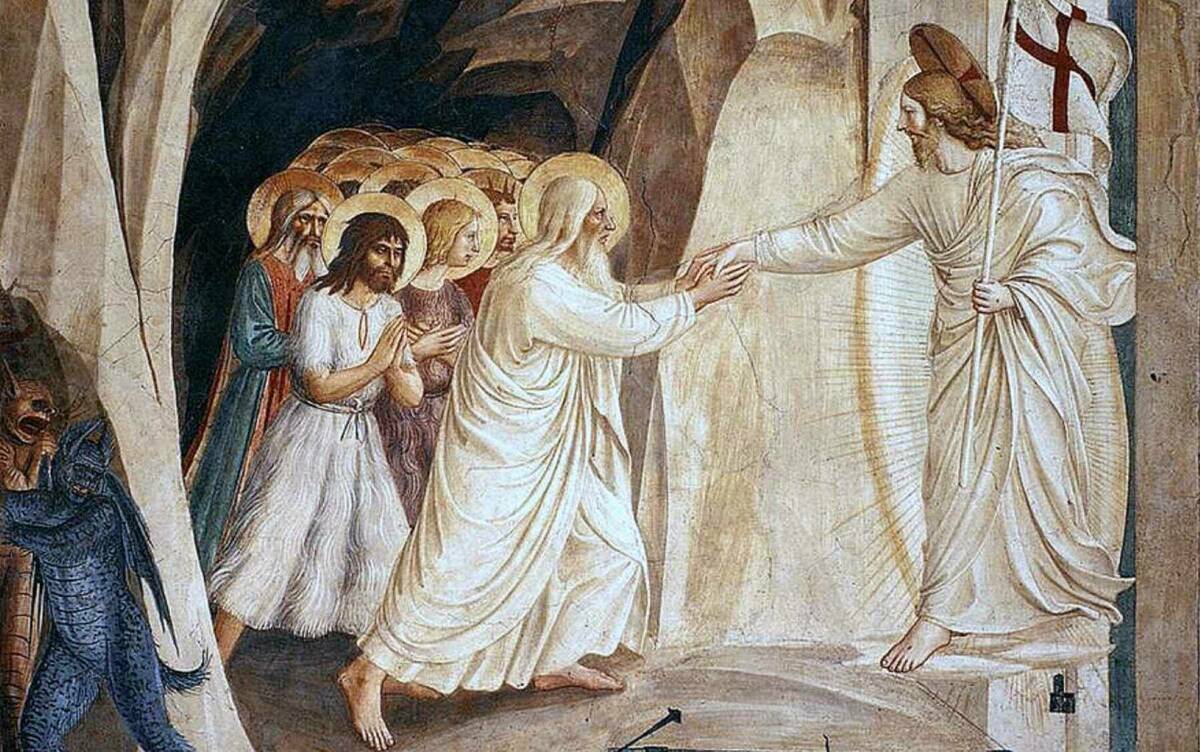
“Blessed are those who mourn, for they shall be comforted.” When the Holy Spirit has come into our hearts and been confirmed in us at Holy Baptism. We become knowledgeable of our sins and how we have violated God’s will and purpose. Our sins should truly terrify us as they are no less grievous than in the days of Noah, as his generation was drowned and died. Still, by the death of God’s son, Jesus Christ, we are forgiven by his death and comforted by his resurrection. For by baptism, we have died with Christ and have been raised with him.

“Blessed are the meek, for they will inherit the Earth.” Meek, a word that means gentle and humble, is the result of repentance. After God has made us aware of our sins in the spirit, we do not remain in terror. God humbles us so that we may receive the promises of our Lord Jesus. This promise is, namely, the inheritance of eternal life in the new heaven and new earth won by our Lord for his people.

“Blessed are those who hunger and thirst for righteousness, for they will be satisfied.” Faith is the right knowledge of God, and, consequently, we desire him more and more. The saints of God, who are humbled by the Spirit, want to be fed by their God. We will always remain baptized as we receive the washing away of our sins. Yet, baptism also leads us to the Lord’s Supper, and we are now fed by our God. Not just once, but every time we come before the altar of God, he feeds us with his body and blood.

“Blessed are the merciful, for they shall receive mercy.” Before Faith in Christ, the Old Adam in us was selfish, envious, and disobedient, and a slave to his passions of desire. Now Christ has come into our hearts and has removed the hearts of stone and given us hearts of flesh. In the Spirit of our God, we put away the things of the old man and walk before the Lord as a new creature that is righteous, pure, and holy because of the blood and sacrifice of Christ. It is the new man in us, the righteous man, that we look upon our neighbors with the same mercy and compassion that our Lord has looked upon us. So when we are sinned against, we do not take vengeance or refuse to forgive because we have been forgiven by Christ.

“Blessed are the pure in heart, for they shall see God.” It is only the new man in us that possesses the pure heart from the Lord. And if we continue in our course of faith, our Lord says that we will see God. When our Lord reappears on that great and awesome day, he will judge us according to the fruits of our hearts that result from our faith in Christ. He will give to us and all who believe in his Son, the very kingdom of God, the new heavens and new Earth. Where we will all gather around the throne of God, clothed in the white robes with palm branches in our hands, forevermore saying “Salvation belongs to our God who sits on the throne and to the lamb.” For it is only by Christ and through Christ that we are saved, as the lamb of God bleeds for our salvation.

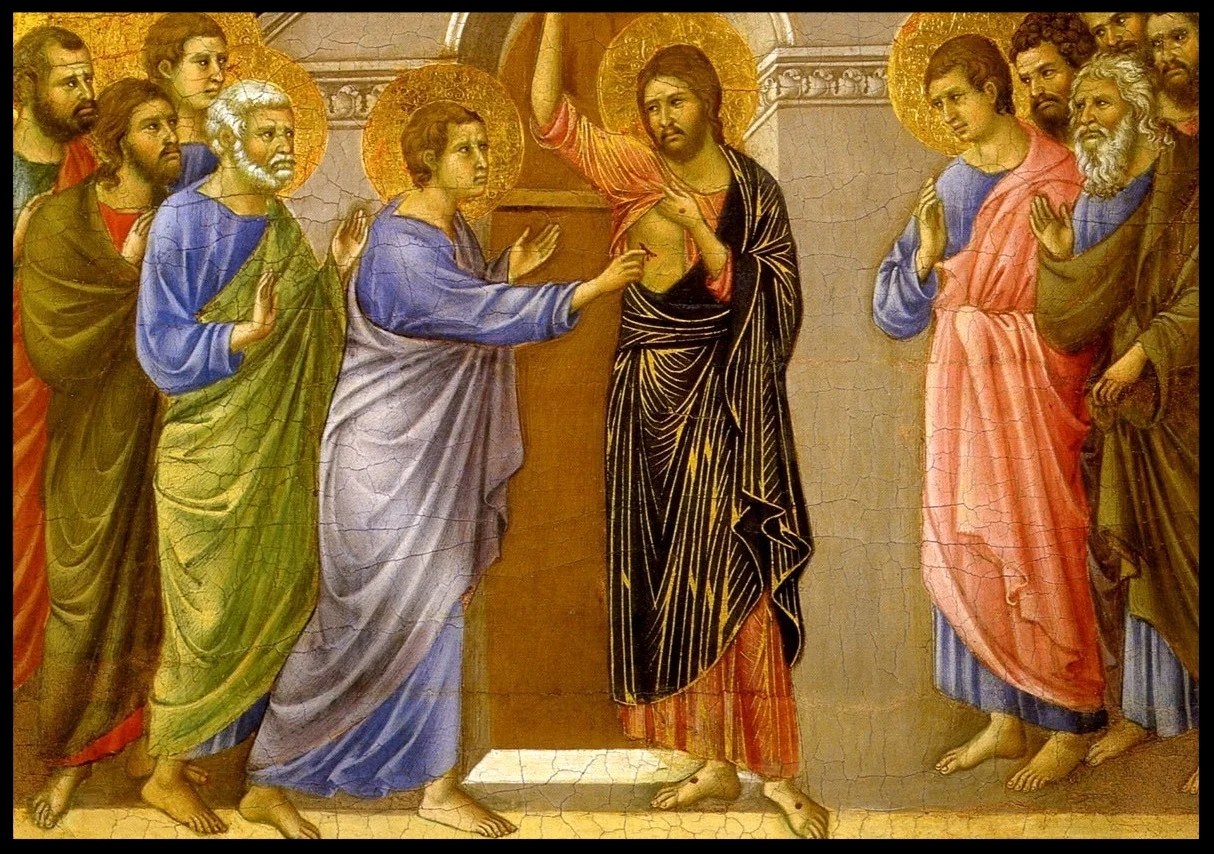
“Blessed are the peacemakers, for they shall be called sons of God.” Our Lord says on the evening of his resurrection to his disciples, “Peace be with you.” Peace is used in the language of justification by his resurrection. As the old man in baptism was drowned, the new man is a son. As our Lord also says that he is now going to “my God and your God.” And so we are made coheirs with Christ. As his holiness, righteousness, and obedience to God, the Father have become ours. So when he looks upon us on the last day, he sees his son Christ Jesus.

“Blessed are those who are persecuted for righteousness’ sake, for theirs is the kingdom of heaven.” When we are baptized, Christ robs us from the world, the devil, and our sinful flesh. And these evil forces will do whatever they can to bring you back into darkness and evil.  This is often done in persecution. So when you are persecuted, it is because you have the kingdom of heaven on your side that you are suffering for the sake of righteousness. Therefore, cling to Christ, for he has suffered all things, even the cross, for your salvation. For Christ has strengthened you to endure all things. And when these things come upon his baptized children, they also come upon himself as well. 

“Blessed are you when others revile you and persecute you and utter all kinds of evil against you falsely on my account. Rejoice and be glad, for your reward is great in heaven, for they so persecuted the prophets who were before you.” In this final Beatitude, we find our purpose for being baptized. For struggling against the old, sinful man. Even suffering persecution. It is because of God’s promise that he will not leave us or forsake us. As we look to the Saints of old, namely, the prophets, as well as those we will remember this day. That as God was faithful to them. He is also faithful to us. 

So rejoice and be glad, for Christ has washed you clean in holy baptism. We are not saved by keeping these words. Rather, our Lord has saved us by his Son so that we may find comfort in these words that define us as his baptized church, his saints in Christ. And we look to the resurrection of the dead, when all of the saints of Christ will be united with us in the kingdom of heaven. For he has called us blessed in our Lord Jesus Christ.

Reformation Sunday Matthew 11:12-19

A common motto in the reformation was “the word of the Lord endures forever,” and it was often abbreviated in Latin as VDMA. This quotation from Isaiah chapter 40 was the driving force behind the world-changing events of the Reformation. Martin Luther and others knew that it was not the words of men that had ultimate authority over the church, but the word of God. For there were many in the time of Jesus, the time of Luther, and even now, where God’s word is wrongly made second-class to the opinions of men. For the words and opinions of mortal men can only lead to death, while the word of God is eternal, and produces eternal life in those who believe it. 

At the time of Christ, the people were under the thumb of the Sadducees and Pharisees. These people taught that their obedience to the law was the only thing that could save them. That by attending all the festivals in Jerusalem, by giving the appropriate tithes to the temple and synagogue, doing all the cleansing rituals required of Jews, and finally by perfectly keeping the sabbath, you could be seen as a faithful Jew. In those days, it was more important to follow the teaching of your rabbi than to follow the words of Holy Scripture. The Sadducees and Pharisees took the people captive by saying that their words and wisdom were higher than the words and wisdom of God. 

Undermining the word of God has always occurred throughout history, beginning in Eden. As the man and his wife colluded with Satan. When the serpent said to the woman, “Did God actually say not to eat of this tree?” The tree appeared to be good for food. And so they turned their back on the word and promises of God, as they held their opinion of what is good to be superior to God’s. It is the same spirit that took hold of the people at the time of Jesus.

To save his people from the opinions of men, God must send his Son into the world, who is the Word of God in the human form of Jesus Christ. So God must first send John the Baptist. Yet not all in the Baptizer’s generation received him. As both the leaders and the people held the opinions of men above the word of God that when the word was finally fulfilled after 400 years by the arrival of John, they did not believe in him.

As Christ says, “But to what shall I compare this generation? It is like children sitting in the marketplace and calling to their playmates, “We played the flute for you, and you did not dance; we sang a dirge, and you did not mourn.”’ They were unable to acknowledge the fulfillment of God’s word in sending John the Baptist and in the final fulfillment of Jesus Christ because the thoughts of men did not allow it. They had no need for the word of God, then how can they believe in something they did not value? For this is why they say that John had a demon, and they accuse Christ of sin. Even in spite of this, the Word of the Lord endures forever. 

And it was no different during Luther’s time. Still, as people attended church to fulfill their obligations, the church was the most powerful institution of the time. Christians did not know the word of God, for the church kept the word from the people. Therefore, they could not hold the church, the bishops, and the priest accountable to the word of God. The people were obligated to trust what they were told. So the priest told them to devote themselves to the rosary to ask the mother of our Lord for intercession or to buy countless indulgences to get their loved ones out of purgatory; they had no choice. And when Martin Luther spoke about this time in the church, he saw great sin in the highest ranks of the church, but also much shame and vice among the common people. Yet, he ultimately blames this on the pope and his bishops; the word of God that would have taught them these things was kept locked away. This is what makes the reformation so significant: the word of God returns to his people to hear and know so they may live according to it as they are justified by faith given them by the Lord Jesus.

It is for this reason that the church of God is always in need of reformation. To be brought back to the word of God, which is superior to the opinions of men. Look at Christianity as a whole in our present age. There are many who call themselves Christians, but they teach doctrines that are not of the Scriptures. They say that the Bible does not speak to our modern sensibilities and problems. Therefore, we should agree with the culture on marriage and love. Or they say that Jesus is not the only way to God, as there are many other ways. Or it is me and Jesus together that work out my salvation, by my decision and my obedience. That the Christian life is never to be one of suffering, and finally, we don’t need the church and the sacraments to be saved as long as I have some faith in the good, I am able to make it to my rightful place in heaven. 

You will not hear any of these ideas from this pulpit, but it doesn’t mean that we don’t need to be in a constant state of Reformation. Just as Jesus and the Reformation brought people back to the truth of God’s word, this does not mean we do not need reformation in ourselves, either. For when the word of God is taught its truth and purity, it shows us our sin and leads us to repentance, and it brings us the gospel. That despite our sins, we are justified not by works of the law but by the faith given to us by God himself in his Holy Spirit in Jesus Christ. It is the faith that is received and not earned that saves us. It is faith in the word of God that justifies and not the works of the law. 

When we speak of our need for reformation, we must always return to the word of God. It is only God’s word that endures, while the opinions of the day are soon gone tomorrow. The world will chase after the next big thing until it finds another. However, the Word of our Lord is a constant assurance, as it points us to our Lord Jesus Christ, who came to die for us to save us. Let the word of God reveal your sins and your Savior. When faced with difficult decisions, turn to the Word of God. When you feel alone and afraid, rely on the word of God. God’s word is given for your good—to shape your life and guide every step. In other words, it is meant to bring reformation—drawing you out of sin and despair into forgiveness and light. So you can walk a new life in Jesus Christ, who has done everything for you and justified you by His own blood. And when darkness tries to pull you away from Jesus, the word of God reminds you that I am saved because of Christ. 

Therefore, do not neglect the word of God, but always gladly hear and learn it. For it is your light and your stay. It is the very words of Jesus for you. And there is no one who can take you away from the word of God that endures forever.

Christian funeral for Anna Mae Wolfgram 2 Timothy 4:6-8

Dear family and friends of Anna Mae Wolfgram, Grace to you and peace from God the Father and our Lord Savior Jesus the Christ. Amen.

The Christian life is not one of ease or convenience. When we are guided by the Holy Spirit into the waters of holy baptism, where we die to sin and rise with Christ to new life, we do not magically escape from the suffering of this world; rather, in our suffering and our struggles, we have our Lord Jesus who remembers us and does not leave us or forsake us. Through the water and the word, we are joined to our Lord, and he is made one with us. So when we Christians endure hardship imposed upon us by the world, the devil, or our sinful flesh, these hardships also come upon our crucified and risen Savior. And this hope of our Christian faith was no different in the life of our dear sister Anna Mae. 

In our second reading from Saint Paul’s second letter to a young and timid disciple, Timothy was most likely one of the last words that he wrote before he himself departed this world to join his Lord Jesus, as he was about to be killed for professing the name of Christ to the nations. Saint Paul says that his departure is at hand, and as he begins to reflect on his years of ministry, he says, “for I am already being poured out as a drink offering.” Again, he says the word “already.” Not that he will soon be poured out or that he awaits being poured out. But that he is being continually poured out before the Father, as an offering. This tells us that the Christian bears the image of God here and now as we suffer hardship and struggle because we bear witness to Jesus. 

Look to the life of Paul. After his conversion on the road to Damascus to be a follower of Christ, he became an enemy to the world, to Satan, and to sin. He speaks of his suffering in another letter that he has been beaten and flogged and shipwrecked. He has also endured the loss of sleep, food, water, and shelter while always being on the move, not only to escape from death, but more importantly to spread the gospel of Christ Jesus.. Even in all this, his main concern was for his churches and not for himself. As he says again, “Now I rejoice in my suffering for you.”

This sounds like our beloved sister. The many things she has carried for the sake of her family and for those whom she loves so dearly. From her childhood of losing her mother to polio, and needing to step up for the sake of her younger siblings. Or as a mother putting the needs of others before herself, caring for Daral and their five children, which can be no easy task.  See the fruits of her labor as a mother and spouse sitting in these front pews. Being brought up in this church and taught the fear and knowledge of the one true God. They were raised to prioritize our Lord Jesus Christ and the family that the Lord has given them. To be a faithful spouse to Daral, in not just one round of cancer, but two. To see her own son, her firstborn, to fight cancer and win, and tragically be taken home to his heavenly Father. Oh yes, there were many joys in Anna Mae’s life that cannot be taken away. To see the birth of many grandchildren and great-grandchildren. As she rarely forgot a birthday. To see children, grandchildren, and great-grandchildren be baptized, confirmed, and married. And during her own illness of ovarian cancer, she did not let any of these trials overcome her joys and her faith in Jesus Christ. As our Lord has been there for Anna Mae every step of the way in times of joy and times of struggle.

This is also something that she taught her children and those around her. When times were hard, she taught them to depend on Christ, telling them, “Remember that Jesus and I love you.” And then those times of sorrow and grief she told them again “Cry and you cry alone. Laugh and the whole world will laugh with you.” 

For Christians, we do not boast in our accomplishments or hold up our hardships because it is not we who bear them alone. It is our Lord Jesus Christ who provides strength, wisdom, and courage to bring us through these things. It is faith given to us by the Holy Spirit that was given to her by the hearing of the Word of God, which created and kept her in the one true faith until life’s end. For this faith given to Anna Mae and to all Christians is not faith in a mortal man, such as the Apostle Paul, but in the very Son of God, our Lord Jesus. Christ, who has looked upon Anna Mae and all humanity with love and compassion by taking upon himself human flesh and blood for our salvation. So that he would carry the sins of the whole world committed from the very beginning until the very end is he died on the cross of Calvary. He is the very Lamb of God who was led to the slaughter to save us from our sins. He became sin itself as he hung and died.

And even on the cross, he says, “My God, my God, why have you forsaken me?” What marvelous and comforting words for us, since he was forsaken, we will never be forsaken or forgotten by our heavenly Father. Through everything that we carry on our backs, every tear from our eyes, and sorrow that breaks us down, Christ is in the midst of us even now. He knows our suffering through his cross and has given us the victory by his resurrection. As he ascended on high, he continues to make his dwelling among us, in our hearts. And there he continues to give us faith until he brings us to our final home.

And if we could ask Anna Mae, what was it that brought you through it all, even until the end? Her answer would certainly be quite simple, mirroring the words of the apostle, “It is not I, but Christ who lives within me.” 

And now our sister in Christ has obtained the goal of her faith, which is eternal life with her Lord and Savior, Jesus Christ. Do not fret or be dismayed, but do not feel as if you cannot mourn or weep. Yet, we do not mourn as those who have no hope. For she has fought the good fight and has finished the race, not on her own, but because and through her Lord Jesus.

Therefore, you also keep the faith. The Lord does not abandon. The Lord comforts and leads us unto himself in his heavenly mansions that he has prepared for those who love his appearing. Christ Jesus is the way, the truth, and the life, and through his Holy Spirit, he will bring us to the way that leads to eternal life, where we will be joined with such a great cloud of witnesses, including our sister Anna Mae. May Almighty God, through the death of his only begotten Son, accomplish this in us by the power of his Holy Spirit. Amen. 

Eighteenth Sunday after Trinity Matthew 22:34-46

 Today, in our gospel reading, we find a surprisingly unique interchange between Christ and the Sadducees and the teachers of the law. They attempt to confuse and entrap Jesus, but to their amazement, Christ not only answered a question that they cannot answer. They were also put to shame. And in return, he inquires of them about who they believe the Christ is. And to this, they have no answer because, in the end, it would result in Jesus as the promised Messiah, the fulfillment of the law, and the payment for sin. 

The question for Jesus was, “Which is the great commandment in the Law?” It is a last-ditch effort to try to stump Jesus. Prior to this passage, Jesus had answered all their questions using the scriptures pointing to him as the Christ. It is one lawyer who fires this question across the galley in order to provoke him. The Gospel of Matthew says that this was in order to “test” the Lord. This young lawyer and scholar of the Scriptures obviously does not know the word of God at all. As he is not the first one to test the Lord. 

We do not need to look further than in the book of Exodus. After the Lord has delivered the people of Israel out of bondage from the house of slavery in the land of Egypt by crossing the Red Sea on dry ground, and even after receiving the bread from heaven. They became thirsty and began quarreling with Moses and testing the Lord. It is their natural inclination to sin that takes over the hearts of the people of God as they become indignant and impatient with the servant of God who brought them out of the house of slavery, and in the end, they do the same to God himself. As the Lord brought the people into the wilderness to test them. And they would be purified and prepared to enter into the land of promise; it is the people who test the Lord. 

In their groaning, they prove themselves to be sinners. To be taken over by their passions of body and soul, to be satisfied the moment when desire comes. In this way, the young lawyer is just like the people of Israel, wanting to trap God to get what he wants instantaneously. He desires Christ to change the Law so that he may justify himself. For even asking such a question, he would like to limit the law so that it would never accuse him of any sin whatsoever. And as a result, Jesus humbles this self-justifying man by exhorting him to love God with all that he is, and to love his neighbor as himself.

It is easy for us to look down upon the young lawyer and the people of Israel in the wilderness as they tested God to change his commands, but are we much different than them? How often do we allow our tendency to sin to obscure our vision of the law of God? This may be when we say to ourselves or to God, “Yes, I feel bad about what I did, but I technically didn’t break a commandment.” We might say I told that small lie to save my job, and God doesn’t want me to lose it. Or it technically isn’t stealing because they owe me that in the first place. Or it’s not really adultery, because we truly love each other.

These are all cases where our sinful nature takes us captive once again. We diminished the law’s accusations against us. It is as if, instead of using a magnifying glass to examine the Ten Commandments to find all our shortcomings and wrongdoings, we turned the glass over to magnify ourselves and to make the law of God unreadable. We do this to call ourselves great and noble Christians by making the law so precise that no person could be found guilty. 

What makes this thinking dangerous is that when we make our sins so small, we also make small the need for a Savior. We may think we are doing ourselves a favor, but instead, we are doing ourselves much harm. As it is of no benefit to us, for this is how we sin against God. 

But to this, I say, let the law accuse you. Let every commandment of God find you guilty. And let every secret sin be brought to light before God. Let the commandments of the Lord leave you dead in your trespasses and sins, so only Christ can raise you up. For he is your pure and holy Savior waiting to forgive you for all that you have done. Waiting to receive you. Waiting to comfort you with his love and grace. This is why Jesus looked upon this young lawyer with compassion. As the Lord offers him a question concerning the Christ. He is asked, “Whose Son is He?”

Jesus is, of course, the Christ. And he is both the Son of David and the Son of God from all eternity. Christ is the one whom God says, “Sit at my right hand, until I make your enemies your footstool.” What a marvelous saying of our Lord’s victory! For our Lord is not referring to us as God’s children still long under the bondage of sin. The enemy that must bow down to Christ, must be forced into submission under his feet, and finally must be destroyed by God himself, is not us, but is sin itself. 

And where are these words and promises of God fulfilled? It is at the Cross of Calvary, where Jesus Christ, the very Son of God, in flesh and blood, who is also the Son and Lord of David, takes his proper place upon the throne of his forefather, not in a luxurious palace, but in the place of the skull where he dies. He does not die, the noble death of a king, but he dies in the company of hardened criminals. For he bears our chastisement and the condemnation of the world. By the death of Christ, we do not fear the law; in it, we have our perfect and obedient Savior who has washed away all our sins and has thrown them into the depths of the sea.

So when we come to the judgment seat of God, we do not need to fear that he will put us under his feet. So when the law of God is placed before our eyes, we can say, “Yes, I have committed all of these and many more, but I have the blood of Jesus Christ, who loves me and who has given his life for me.” Do not fear any letter of the law, for it is given by your savior who has loved you and has redeemed you. And he is the giver of all good gifts.

Seventeenth Sunday after Trinity Luke 14:1-11

When Christ asked the Pharisees whether it was lawful to heal on the Sabbath, he was really asking whether they knew the purpose of this day of rest. And in the end, he is asking them if they know God’s salvation in the first place. And to this, they have no reply. For the Pharisees, the Lord’s salvation is severely misunderstood. In their eyes, the Old Testament laws of the sabbath should be kept by the letter in order to be a good Israelite and to be saved. In our Lord’s questioning, Jesus shows them the frailty of their interpretation as he asks them, “Which of you, having a son or an ox that has fallen into a well on a sabbath day, will not immediately pull him out?” Here, Jesus shows the absurdity of their belief. For who would not put more value on saving a life in danger than a day of rest?

By healing this man from dropsy, the Lord teaches us that the sabbath day was created by God from the very beginning for the purpose of mankind. It was meant for hearing God’s word and for serving our neighbor. For one cannot be saved by strictly obeying the law, yet it also instructs us how to live our lives before God, and to our neighbor. As Jesus sums up the entire law in these two words: to love the Lord your God with all your heart, mind, and soul, and to love your neighbor as yourself. If Jesus had turned the man away, he would have used the Ten Commandments against their purpose, and therefore neither would have shown love to this man nor to his father in heaven. The Lord instructed the Pharisees that the true meaning of the day of rest is to put aside our work for God and for neighbor. 

It is for this reason that Christians should not neglect the third commandment, “You shall remember the Sabbath day by keeping it holy.” We do not intend it as the Pharisees do, believing that by not lifting a finger on one day of the week, we will keep God’s word. Instead, Christians keep the third commandment whenever they hear the word of God. As Luther explains this commandment in his small catechism, “We should fear and love God so that we do not despise preaching and his word, but hold it sacred and gladly hear and learn it.” This is not a commandment that only affects us on Sunday, but in every day of our lives. For we find our day of rest whenever we hear the word of God. When we pray before meals, saying “Come, Lord Jesus, be our guest…” When we wipe the dust off our catechisms to find comfort in those words we used to know so well. Either before we start our day or before we close our eyes to open our Portals of Prayer, to hear the words of Christ crucified for us. These are all times we keep the third commandment, not in order to be saved. Instead, because God desires us to find rest in his word. 

Of course, there is Sunday morning Divine Service. This is where we, the people of God, find rest in the word of God as the community of the baptized. In this unique way, God comes to us all in the absolution pronounced by the ordained minister of the word, in the corporate reading of the scriptures, in the preaching of the word of God in the sermon, in the prayers as we commit our cares to the Lord. And finally, in the Lord’s supper. For holy communion is the very word of God, the body and blood of Christ, in bread and wine for your forgiveness, to restore you to the Father, and give you rest. It is in the Sunday service that you are drawn away from the worries of this world, which leave you anxious and dreadful for the next day. Your worries assail you, for the purpose of taking you away from the promises of God. For in the house of God, there is no poor or rich, as we are all poor sinners seeking the mercy of God. Here, there is no one who has better health than the other, for we are all infected and tormented by sin as we all come from the one Adam. And no matter how great your sin may be or how far it has led you astray from God, Christ Jesus is here to give you rest. If it’s your first time in church in a while, or you were here last week. God rest is for our good for all those who put their trust in him. 

This miracle also teaches us that the sabbath is for our neighbor. For we hear the word of God and allow teachings to conform our lives, we find that keeping the third commandment brings us to the latter six. How we are to love and serve our neighbor. Just as Jesus loved this man and had compassion on him, the man was healed of his disease. The word of God teaches us to have compassion and mercy for those in need. The faith that is given to us by the Holy Spirit is not simply knowledge, beliefs, and principles that we know about God. Yet, when it is given to us, it is meant to be lived out, to conform us to his will, and make us more like Christ. So when we love our neighbor as ourselves, put the needs of others before our own, or act with mercy and compassion, we do not do this in order to be saved. We do this because we are given the gift of faith, sealed by the Holy Spirit, and saved through Christ. And when we do these things, it is Christ in us who does them. For apart from him, we cannot. 

And if you feel that your mercy and compassion may be lacking, let me assure you that it is not. As they do not come from yourself, but they come from Christ Jesus. Rely on him and his word, and he will give you rest. 

It is by the power of his cross and his suffering and death that our Lord Jesus Christ comes to give Sabbath rest. For he has first looked upon all humanity with mercy and compassion. And as he sees our human race lost and restless because of our sin, he takes sin upon himself and dies on the cross and rests in the Earth for three days. And as believers in Christ, we will inherit his eternal Sabbath in the kingdom of Heaven, where there will be no worry or anxiety or fear. And he comes to you even now as he says, “Come to me, all you who are heavy laden, and I will give you rest.” So let us come to him in this sacrament, and we will find rest for our souls. 

Sixteenth Sunday after Trinity Luke 7:11-17

Seen in last Sunday’s gospel reading, with Jesus preaching that we should not be anxious about our lives. That we should look to the birds of the air and the lilies of the field, and God provided for them, so how much more will he provide for us? For Jesus says, “Seek the kingdom and all will be added unto you.” And now we come to the widow of Nain. This woman has lost her husband and is now burying her only son. It appears all the Lord has provided her is now gone. What a stark contrast! Yet trials in this life are not given to us to burden us, but to strengthen us in the Faith of our good and gracious heavenly Father who has restored us to new life. 

This woman is a member of a long procession of faithful people of God who have been given burdens and trials in this world by the Lord. It is true that the Lord tests his people. These trials are not to draw them away from God, but to draw them closer to him. To rely on him all the more.  That Saint Peter would go as far as to say in his first epistle to the church, “You have been grieved by various trials,that the genuineness of your faith, being much more precious than gold that perishes, though it is tested by fire, may be found to the praise, honor, and glory at the revelation of Jesus Christ,” As as seen in the Saints of old, were called to put their trust in the Lord in difficult times and their faith is truly refined.

First, of course, there is God’s servant Job. The story of Job is one of testing and faithfulness. The Lord allows all his goods, his property, and even his children to be taken away from him. And still Job says, “The Lord has given, and the Lord has taken away, blessed be the name of the Lord.” And Satan struck him with many sores, and yet the Bible says, “In all this job did not sin with his lips.” Even as his companions tried to comfort him by saying that he must have some fault that he is unaware of, something that he has not completed, a secret sin, or grievance with God yet to be settled. Throughout the entire book, Job insists that he has done nothing wrong, and yet God remains good, faithful, and just in what the Lord is doing. For the servant of the Lord, even says, “For I know that my Redeemer lives, and at the last he will stand upon the Earth. And after my skin has been destroyed, yet in my flesh. I shall see God.” The Lord allowed him to be tested, and he never lost hope that he would be vindicated by his good and gracious God. 

Then we come to the widow of Zarephath, the same woman who receives the miracle of the flour and oil that would not run out. Now her son, whom the prophet Elijah saved from starvation, is dead. Despite her question, she has done nothing wrong against this man of God. Still in her pain and misery, she gives the Prophet her dead son. This is a great act of faith and worthy of imitation. Her faith receives its result as the Prophet Elijah says to her, “See, your son lives.” Just as gold is purified by fire, for this woman trials refine and increase the value of faith. 

Now to the widow of Nain. This woman has already buried her husband, and now her only son will join him. She entirely relied on her son, and now she has no security. Many have come to march with her to the outskirts of town, and now, how many of those people will have compassion on her after everyone has moved on from the death? Despite this trial from the Lord, she remains faithful as she lays her son in the ground with the hope of the resurrection. For she does not turn the Lord away from this parade of death. 

The Lord Jesus turns and looks upon her with compassion. Because even in such a trial, the Lord does not allow death and Satan to have the last word. He has compassion for those whom he purifies. The Lord’s mercy is properly acknowledged not when it is expected, but when it is called upon. When this woman saw the Lord Jesus, could she have known what was going to happen next? Maybe some words of encouragement or an embrace from Jesus and the disciples. Instead, this faithful woman receives her son back alive and well. Through her pain, she is brought to greater reliance and faith in Christ Jesus. This woman, who undoubtedly believes that her son would outlive her, would remain comfortable and secure for the rest of her days. She takes her son by the hand, leaving his casket on the road, even with more joy and gratefulness in the Lord than on the day that he was born. As this man was raised from the dead, this woman’s faith is also raised, being more precious than gold.

And what does this mean for us? It is without a doubt, as seen in all of Holy Scripture, that trials will come. And when they do come, they often come from the hand of the Lord. They may not be as extreme as the examples already mentioned, yet you know what I am talking about, now or in the past. I may not know the cross you bear, and you may not know mine, but since we are Christians, we know that from the hands of the Lord come hard times and trials, and the Lord sees us through so that our faith in his mercy may grow and be purified. These could be times when we lose our jobs for no fault of our own, when we lose friends for something we never said, or when our families no longer want to speak to us because we refuse to deny the truth. God uses all things for our good, to put our faith and trust in him.

It is out of his great love that he desires your faith to increase and to be seen by all. Look at Job —how great a witness does he give to his three friends who believe he is a fool?  When trials come, we bear witness to Christ and the Holy Spirit at work within us. For example, one of the fruits of the Spirit is love. If it is love that must increase, for the Lord will give us our opportunities for love. If it is patience, the Lord will give us the opportunity to grow in patience. If it is gentleness, the Lord will provide times to be gentle, and so on. The Lord does not do this to shut you out, but to bring you closer to him, to rely on him, and to ask for love, patience, and gentleness. 

Let me leave you with this: do not let the world deceive you. As the world doesn’t endure trials from the Lord. For God only can purify those who already have faith. The Lord will not test you beyond your abilities, as he always provides a means of escape. For he is the Lord, who raises the dead to take death upon himself. And he has been raised and ascended to the right hand of the Father, to be your advocate and your helper. So whatever may come your way, either from hell below or heaven above, neither life nor death can separate you from the love of God in Christ Jesus, our Lord.

Fifteenth Sunday after Trinity Matthew 6:24-34

Christ says in this portion of his Sermon on the Mount that even the Gentiles seek food, drink, clothing, and shelter from their creator. Therefore, he tells his disciples that those who would acknowledge him to be the only Son of God do not seek from the Lord what the Gentiles do. He teaches that the Lord supplies to meet our needs, so we are to seek the kingdom of God and his righteousness, and all things will be added to us.

For God even preserves the birds of the air and the lilies of the field. God, as the creator of all things, gives to all his creation. Although the birds and plants are part of God’s handiwork, the Son of God has not come to redeem and save them; yet, He does not forget their needs either. As birds are able to feed and build nests for their young, and the plants are given all they need to produce flowers and seeds, how much more does the Lord desire to do for mankind, the purpose of his creation?

As man and woman are created in the image of God, is not our life more than food and the body more than clothing? Yes, of course. Our Lord does not tell us to ignore the needs of the body. Instead, he tells us that life is more than just the body. For we are created with a body and a soul. A body that is preserved by the creator and the soul that desires to know and love its creator. 

To those whom he has elected to faith, we are to seek the kingdom of God and his righteousness. By faith, we have a higher calling. This calling is to put our trust in God, not only in the things needful for the body, but also for the soul. The Lord does not give us needs or desires that he does not plan to fulfill and satisfy. Just as He created all things on the Earth to be put under submission to man, and to satisfy his needs. God gives us spiritual yearning so that He may satisfy us and put our trust in Him. 

While humans have hunger, it can only be calmed by food that fills the stomach. It is for this reason that God created food, knowing that man would be hungry. So too, we possessed desires of the spirit, which can only be satisfied in a spiritual way. In other words, man desires to be satisfied and filled with God. Each of us longs for God. For we all know that we have sinned and fall short of the glory of God. We know in ourselves that we are incomplete. Spiritual hunger is felt when our souls become restless, doubting that God can forgive our sins. When we still carry the pain of being sinned against, even long ago. When we have sinned against someone and they do not want to forgive us, no matter how many times we try. Or when we grieve the sins and atrocities of this world. These are times of spiritual hunger and distress, only to be cured and relieved by the Word of God.

It is for this purpose that the Son of God, who is the Word of God, takes on human flesh and blood. The same flesh and blood that has suffered upon the cross, paying the penalty of our sins. And by his suffering, agony, and death, he knows how we suffer from the spiritual hungers of this world. As our Lord says from the cross, “I thirst.” This is for our salvation, as He suffers in both body and spirit. As we are rejected by the world for holding to the truth that Christ is the Son of God, so was he. As we are despised for loving those who hate us, so was he. As we are ridiculed for speaking forgiveness, so was he

For in the death of Christ, he does not only suffer for you, but he suffers in and among you. Even as you endure torment and temptation, loss and pain, distress and worry, Christ, the crucified Son of God, does not leave you or forsake you. For he is in his word. He comes to you in prayer. And he is in your fellow Christians who are there to support you and console you. Therefore, cling to where Christ has promised he would be, and your spiritual hunger will be satisfied. As the Lord has not left you hungry and without shelter, he will neither leave you helpless and afraid. 

As long as we still live in the world, anxieties will persist. This you already know a great deal. Worries about new health concerns and whether insurance will cover these expenses. Worries about money, choosing to be late on the mortgage or the utilities, or whether your retirement savings will outlive you. Worried how our families will manage if we move or pass away. You will have a God who, despite your worries about this life, still graciously provides for you. In times of drought, when it seems that the blessings of the Lord have run out, we still reach into our jars and find enough flour and oil for the day. 

Knowing the Lord has laid out all these things needful, Christ says, “Therefore, do not be anxious about tomorrow, for tomorrow will be anxious for itself.”  The number of our days is in the hands of the Lord, for our anxiety cannot add a single hour to our life, so put trust in the Lord. If he plans to give you tomorrow, he will also supply you with everything necessary to live out the day. And our Lord has promised this for all the tomorrows that will come. 

The Lord does not give you all things necessary for this life so that he may abandon you. For life is more than food and the body more than clothing. By his word and sacrament, which are true food that comes down from heaven, you are not only filled until you are hungry again, but you are satisfied. And his salvation is your clothing that never tatters or stains. Your salvation has been sealed in the blood of Jesus Christ, and on the last day, when he raises you up, he will clothe you with new robes that will shine and never fade as you are in the presence of God forever. And at the table of the Lord, there will be no more need or want, hunger or shortage. 

As this is our certain hope, the Lord bestows every blessing of body and spirit for this life and the life to come. Anxieties cannot remove us from the grace of God. The Lord has provided for you thus far. He will see you through. And for those who seek him, he will bestow on you all things, including his kingdom and his righteousness. 

Fourteenth Sunday after Trinity Luke 17:11-19

The Lord Christ has mercy upon those who call upon him, even those who will no longer believe, as his blood cleanses all from the leprosy of sin. While Christ knows that only one, the sick man from Samaria, will truly acknowledge him as the one high priest and Son of God, he has mercy upon the ten. 

Those who were affected by the disease of leprosy were seen as socially inferior and under God’s judgment because of their sickness. Because of their sores and stench, they were removed from society. It did not matter your social status or your family’s. If you were aged or just a youth. Someone infected with leprosy can no longer live among the people, but in the colony of other lepers. These ten men are forced to live off the charity of others who were not ashamed to be seen among the undesirables and morally inferior. They live in complete slums as they cannot take care of themselves and barely survive. I am sure many of these outcasts died of starvation, the elements, or violence among them before the leprosy could kill them. 

And now this band comes into the village to seek out the Lord. They journey where they are forbidden to go. The men stand before him at a distance, knowing that even as he is the Son of God, he is still a man, as they are. They called upon him as Jesus, a name that means “God saves.” And master denoting him with great authority in both heaven and on earth. The petition for mercy is a plea to be cleansed, to be restored to society, to no longer live with the fear of death by disease, hunger, storm, or bloodshed. And for the men of Israel to access the temple and synagogue for worship. This cry is not only to be relieved from the disease; it is to be reunited with the life they once knew. 

Christ desires to do this for all humanity. By our own sinful nature, we have been infected by the leprosy of man’s own making. This is no disease passed down by contact of the skin; rather, it is a leprosy passed down from parent to child. This goes back to Paradise, as Adam and his wife were deceived by satan, and when they were discovered by God, they were found to be unclean. The two became lepers in the garden. Outcast from God’s presence and kingdom. Instead of possessing natural righteousness, which they would give to their children, their descendants must live in the colony of sin and death until they are cleansed and restored by the crucified Son of God.

For Christ comes to us first when we are lost in our trespasses and sins. When we are still under the deception of the world, the devil, and our sinful flesh. The disease of original sin is so deep that it manifests itself in every opportunity that it deems fit. When we become prideful of the good we have done for our families, communities, or congregations, those good deeds become sinful. When we say that we need only a certain amount of time in prayer and God’s word, that is a sin as well. Or when we compare our own faithfulness or dedication to someone who we believe is inferior to us, what does that say about our own faith and dedication to the word of God? Apart from Christ, we cannot earn any approval from God. 

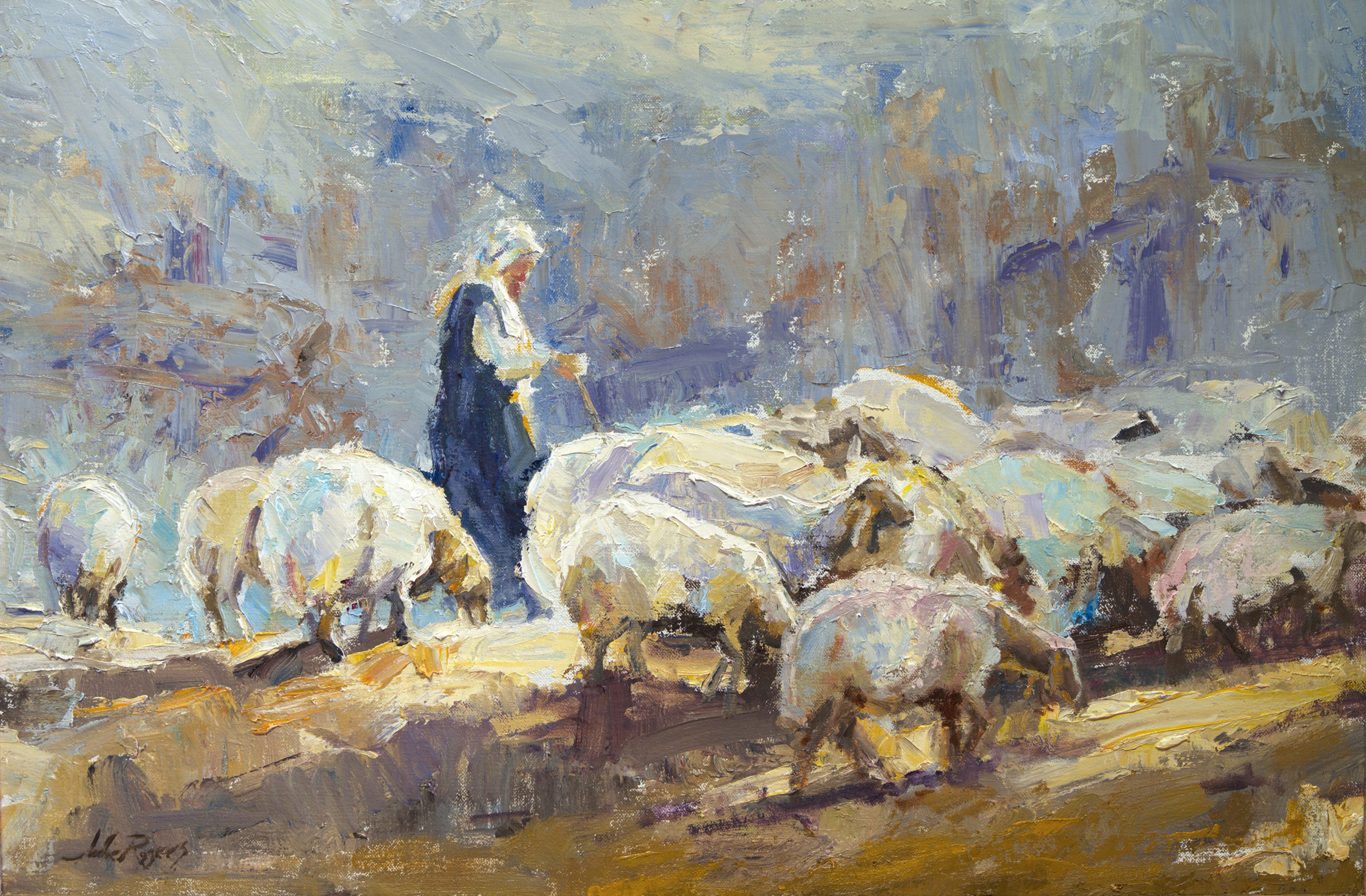
By his blood, we are restored. We are no longer in exile because of our sins. In Christ, we are cleansed of our spiritual leprosy. The Lord Jesus did not die so that he would cleanse you only once. The blood of Christ cleanses you each day. You who were far off are now brought near by the shepherd’s staff of his cross. We exiles do not only return to a garden, but come to a heavenly kingdom that is superior to the paradise once lost. We are brought back to perfect communion with God and with our fellow Christians. The disease of sin no longer separates us as we love and serve one another out of service to Christ, the Redeemer. In the new life of the Spirit, we do not fall into strife, jealousy, fits of anger, dissension, or divisions, as we are all one in Christ. We no longer fend for ourselves, but are united in our Savior. 

As seen in our reading, the dear Jesus extends this new life to all people, including the nine lepers who would soon reject him. The nine shows that not all who will call upon the name of the Lord will endure until the end. At first, they called upon Jesus for salvation, seeking the salvation of both their bodies and souls. Then, after going to the Temple to present themselves to the priest, they are nowhere to be found. For they are drawn away from Christ, as certainly the priest asked them who had cleansed them. These nine lepers represent those who desire Christ at the beginning. May need Christ at the very start, but they do not see a continual need to rely on Christ. He has done one great miracle for the nine, and now they have no need for his word or his continual grace and blessings. 

Many of us know people like this, either in our families, among friends, or within our community. I’m sure most of us have had a period of time when we were in the same spot as the nine. So what can we do for them? First, I would say do not look down on them. We have a God who is patient, and so should we. Second, we should encourage them with the promise that the Lord has never ceased to wait for them. For you never know what a simple phrase of encouragement and love can do. Bring the love of Christ to them, even if they do not desire to know the Lord again. And finally, put your trust in prayer. Pray that the Holy Spirit will bring them back and that you would not be a hindrance to their return, as God desires all people to be saved and to come to the knowledge of him. 

And now, how do we ensure that we will not be like the nine? Well, what does our text say? They all called upon him and said, “Jesus, have mercy upon us.” This is all we can do. continue to put our trust in the Lord Christ, who hears the prayers of his people and is eager to answer them. For our Lord never turned away from those who seek his mercy. For all who call upon the name of the Lord will be saved. Christ has suffered for all things upon the Cross so that he may show his mercy to those who are lost and have gone astray. And through his mercy, he keeps you in his holy church, where his word and sacrament keep you safe and secure until He returns on the last day or calls you to Himself. 

Our Lord’s chief desire is to have mercy upon us, cleanse us, and bring us to himself. For he has cleansed us by his blood that we may be brought into his heavenly kingdom, his kingdom of mercy and grace. Remain steadfast in seeking His mercy, and He will bring us closer to Himself. Call upon him, and he will come near. The mercy of Christ cleanses you and remains with you.

Holy Cross Day John 12:20-33

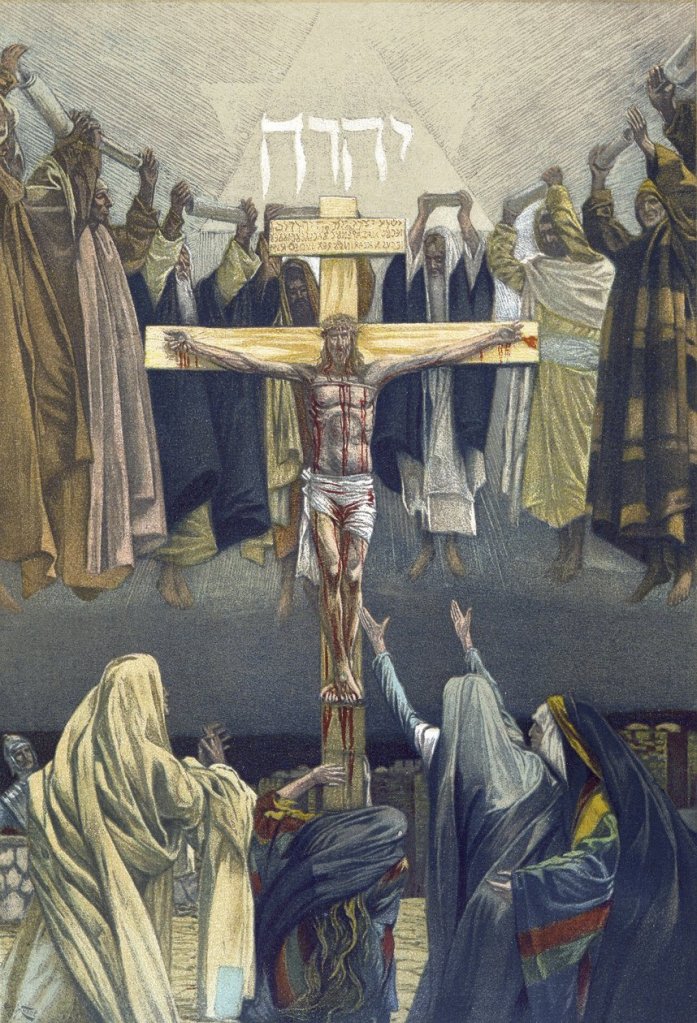
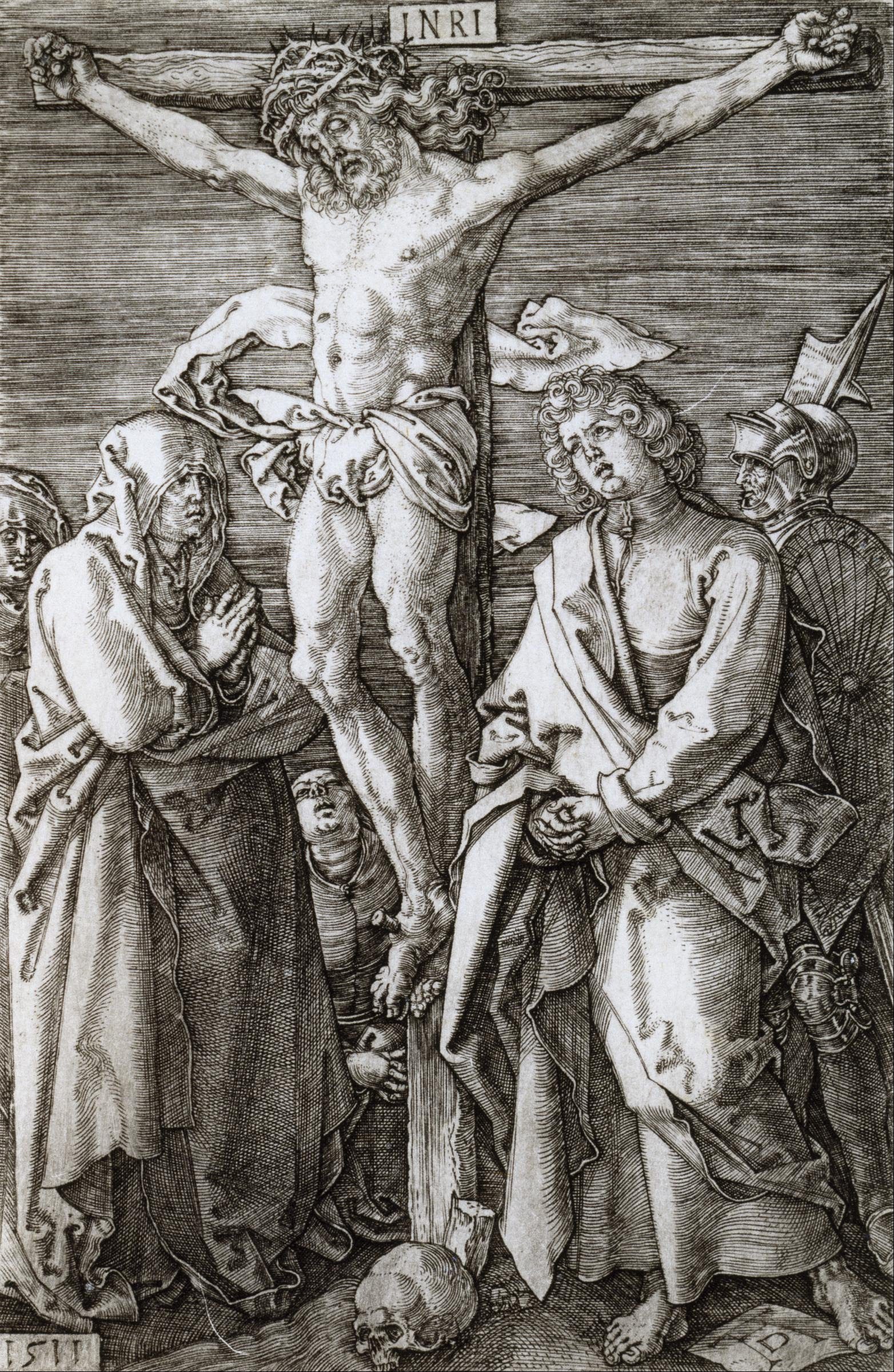
On this holy cross day, consider how foolish the crucifixion of the Lord Jesus Christ is.   Crucifixion was not the sentence given to an honorable man. Crucifixion was reserved for hardened criminals, repeat offenders, and dangerous threats to society. For not even Paul the apostle could have been crucified, as he was a Roman citizen and could not be sentenced to such a terrible death. The Christ was led to the slaughter like a sheep that was silent before the shears. When the cross was lifted, Christ began to suffocate until he gave up the spirit to our heavenly father. His time on the cross was filled with agony of body and spirit. For he was mocked by those who wanted his blood upon them, saying, “he saved others, but he cannot save himself.” Then, as Christ asked for water to drink, soldiers only gave him sour wine, showing they had no remorse for what they had done to him.

No matter how many times we consider the death of Christ, we will never know about the pain, suffering, and mockery that he endured for our salvation.  As the world sees the death of a carpenter’s boy, the Christian see life eternal in the Son of God. As the Lord chooses what is foolish to shame the wise and what is weak to shame the strong. The world would like to explain away the crucifixion of Christ apart from the Bible. You will hear all kinds of reasons. He wanted to lead a revolt against the Roman colonizers. Or that Jesus no longer saw a need for the Old Testament scriptures. These are simply far-fetched and not biblical whatsoever. These somehow soften the crucifixion of Jesus because these interpretations take away sin from the death of Christ. 

This is why the crucifixion is so scandalous, because it means our actions have violated God’s will and have offended God. Our offenses cannot be remedied by our own actions, as the book of Hebrews makes clear: “There is no forgiveness of sin without the shedding of blood.” How many people in this world have rejected God because they do not want to hear? Countless Christians have died because they want to bring the message of repentance and forgiveness through the cross of Christ. Not only in times past with the apostles, who all suffered for the gospel. Those who brought the gospel for the first time to distant lands long ago. But even in the present time, at a Catholic school in Minneapolis or a college campus in Utah. These people were slain because they held fast to the truth that there is one God who has sent his son to save man, and to be saved means to change your way, trusting in Christ. May God grant that we have faith, such as these.

Therefore, we can only cling to him as the dear Christ says, “Truly, truly, I say to you, unless a grain of wheat falls into the earth and dies, it remains alone; but if it dies, it bears much fruit.” For Christ could only be referring to his coming suffering and death, as he is the Son of the Father sent into the world to redeem what has fallen. The hour of Christ’s planting is coming. God, the Father, has sewn him into the good soil. That by his going into the ground, he may be glorified. He does not come to save himself; Christ is righteous and pure, being one with the Father. Christ comes into the world, making himself a little lower than the angels as he takes on human flesh and blood, so he may become the seed that goes into the ground. He comes for this purpose that man would be grafted into him. 

Just as the sower does not plant seeds only to watch them die in the ground. Neither God has sent his son. The Christ is laid into the Earth that he may bring before the Father much fruit. These fruits are branches of Christ, the one true vine. Christ, who is the firstborn of those who have fallen asleep, now brings with Him all those who believe in Christ to the Father. Apart from the seed, a plant cannot grow or produce any fruit. So too, without Christ’s crucifixion and laying in the ground, we are still lost in our trespasses and sins. We would remain displeasing to the Father. It is only the blood of Christ in his suffering that is able to cover for sins. 

Calvary is where the Son of Man is glorified. The Father speaks: “I have both glorified it, and I will glorify it again.” It is in this moment, the crucifixion of our Lord Jesus Christ, that God fully glorifies his name through his son. As even the people of Israel knew the glory of God when they ate manna and quail from heaven. And how often do we emulate these people also? Instead of seeking God’s will and his gifts first, we decide what God has given is good or not. Or that He would be gracious in the way we desire Him to be. 

Still, the glory of the Lord was not revealed in the fiery serpents that bit the people; God is glorious in his grace as he made Moses construct a bronze serpent. For when they looked upon it in faith, where the world would see only death, they were restored to life again. The Lord’s glory is made known in his salvation in the days of old and throughout the scriptures. Now, the Father says that he will glorify it again. Not with a serpent brought upon a pole, but the body of Christ upon a wooden cross with blood pouring out. 

This is foolishness in the eyes of the world. But for God, this is how he desires his glory to be made known throughout the Earth. The dear Lord says, “And I, when I am lifted up from the Earth, will draw all people to myself.” It is in the hour that Jesus speaks of that the Son of Man is glorified, as he is lifted high upon the Earth, stretched out on a tree. This bloody man, who was beaten and scourged, is how God puts an end to sin. For God loves the world in this way that He gave His only begotten Son, that whoever believes in Him shall not perish but have eternal life. His life was taken away from the Earth so that the children of this world may be exhorted and glorified with him. 

Dear friends, you also have been drawn up with Christ. For with him, your sins died in the body of Christ. Then he was putting the fertile ground cut from stone, that is, his tomb. And he was raised again, bearing much fruit. And finally, when he was lifted up once again to be seated, the right hand of God the Father lifted you up with him. First at your baptism, then daily in lives lived according to his grace, and finally on the last day, when you will be raised from the dead eternally. 

Rejoice in the suffering of Christ, for it is wiser than all the wisdom of man and stronger than all the power of the world. That even when we wait for our Lord’s reappearance, we do not wait without purpose, for the Lord is soon coming to harvest the wheat. Even in the various ways that you suffer in this life, you have a God who has suffered all things for your good, as you are never alone. Today is the day of your salvation. And soon he will lift us up and draw us to himself.