Sermon from Palm Sunday (Matthew 27:11-54)

Today marks the beginning of Holy Week, the holiest seven days in the entire church year. This is the week dedicated to the suffering, death, and burial of our Lord Jesus Christ. Today, we will remember Jesus’ triumphant entry into Jerusalem as He rides in, in a humble manner, on the back of a donkey, as their noble king. He is the Lord of heaven and Earth who has humbled Himself by taking on flesh and blood and will soon empty Himself on the tree of the cross. 

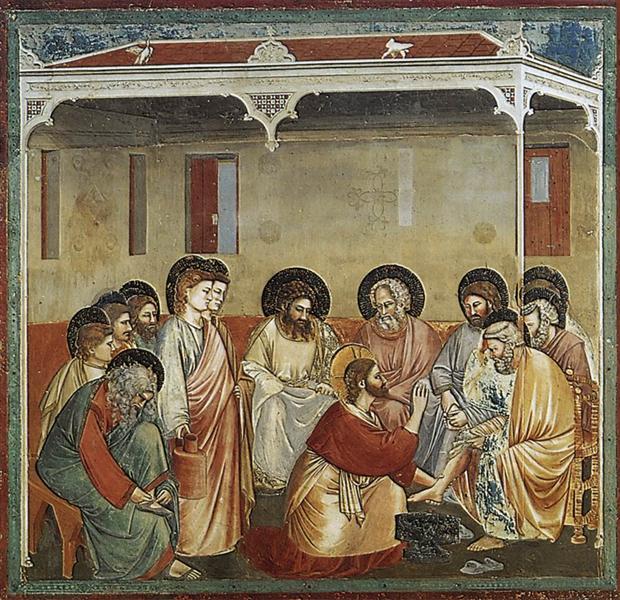
Our next observance is Holy, or Maundy, Thursday, named after the mandate our Lord gives his disciples at the Passover table: to love one another as He has loved them. And Christ, our Lord, shows us His love in the Lord’s Supper, where He gives His body and blood for us to eat and drink as a pledge and token of His promise and redemption. Also, this night ends in the Garden of Gethsemane, where He begins His passion in prayer, sweating drops of blood. Then we have the Friday we called “Good.” When Christ, our Passover lamb, is sacrificed, His death is accepted by God the Father, which satisfies His wrath on sin and grants us pardon and remission.

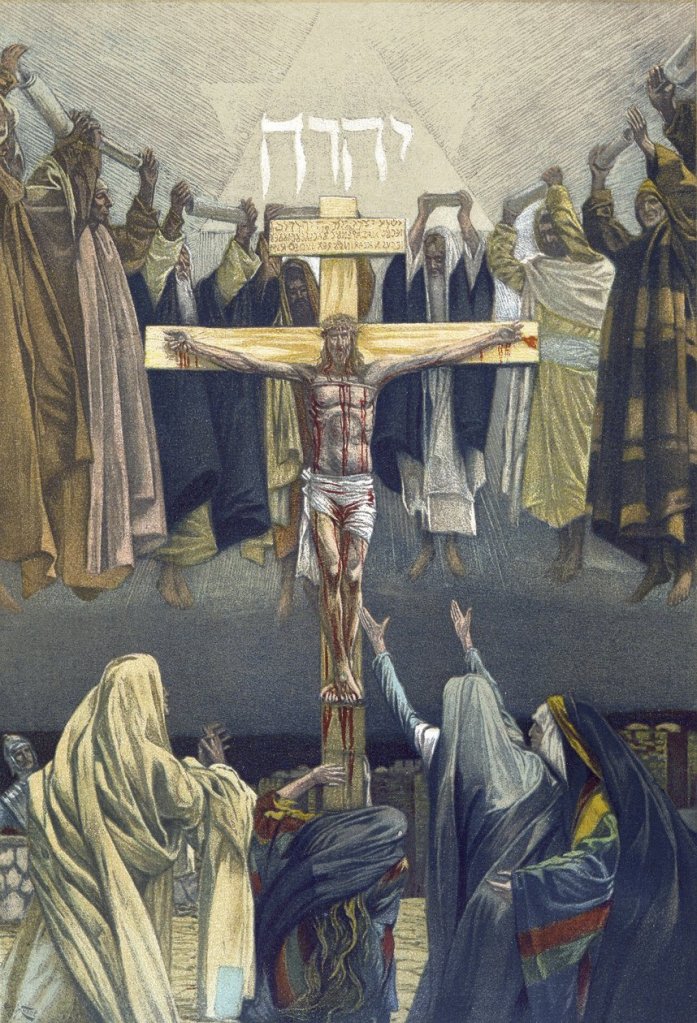
Today, the church has chosen the gospel reading, the passion of our Lord according to Saint Matthew. Not only to prepare us for the things that are to come this week, but also to set our minds on Christ’s bitter suffering and death. To truly grasp the passion of our Lord is, first, to know Him, second, desire Hm and third, to obey Him.

First, knowing our crucified Lord means we must listen to Him and be silent. The majority of the gospels are Christ, revealing Himself to us in His words and actions. For hοw can we know our Lord if He does not speak first? To know our Lord truly is to have faith in Christ and His word. The scriptures say that ‘faith comes by hearing and hearing the words of Christ.’ So how can faith be at work in us if we are not silent?

Before we possess faith by hearing and the power of the Holy Spirit, it was our Lord Jesus Christ, the object of our faith, who was first silent on our behalf before Pontius Pilate. Although He has borne the sins of the world since His baptism in the Jordan, Christ has committed none of His own. And because He bore our sins, when accusations came upon him, the Lord provided no rebuttal. As He certainly could have, and still He fulfills the salvation of man, Christ allows the accusations to stand against Him. Christ, does this, knowing that it will lead to His crucifixion and death. For the Prophet writes, “Yet He opened not His mouth; He was led as a lamb to the slaughter, And as a sheep before its shearers is silent.”

Our Lord Jesus is silent for us. He endures the pain of the cross for us. For this has been a plan from the foundation of the world that God would send forth His Son to save us from the misery and righteous condemnation of our sins. So we must imitate Christ out of faith and devotion for Him. We are only saved by faith in the Lord, apart from the works of the law. Therefore, to maintain our faith, we must always be listening. For the word of God has ultimate authority. The power to judge the living and the dead, and His words are life. If we desire salvation, we cannot lose our attention from the Word of God. For the Scriptures are the words of Christ with the power to save.

Second, true Christian faith means that we desire our Lord. That we know what He has accomplished for us on the cross, and desire our salvation purchased by Christ. And now the salvation is given to us in His Holy Sacraments, these are where the crucified Lord comes to us. Where the Lord made His dwelling with us. For the words of Christ, tell us how to receive Him. The waters of holy baptism, where he says, “He who believes in me and is baptized will be saved.” And in His Holy Supper, where our Lord says, “Take eat; this is My body” and “drink from that, all of you. For this is my blood of the new covenant, which is shed for many for the remission of sins.” The Sacraments instituted by Jesus are no small addition to His word; they are where Christ united His word to Earthly elements for forgiveness and salvation.

This desire of Christ is the opposite desire for Jesus that we see in the passion of our Lord. While we desire him for salvation. The people wanted Him dead for another purpose. As the Jewish leaders rile up, the people make them believe that they would rather have Barabbas, a murderer, than have the Lord Jesus. And when Pilate asked the mob, “What evil has He done?” They can only call out all the more, “Let Him be crucified!” These cries against the Lord of Heaven and Earth do not come from faith, yet He comes to die for the sins of a whole world so that those of faith will be saved.

Those of the Christian faith desire the blood of the Lord for their eternal benefit and reward. It is in the sacraments of baptism and the Lord’s Supper that we rightly pray, “His blood be upon us and on our children.” For without such blood, there would be no forgiveness of sins.

And finally, faith that is formed by the Word of God and nourished by the Holy Sacraments will yearn to obey Christ as Lord. Faith will follow wherever He goes, as the Lord says the night before His death, “I am the way, the truth, and the life.” And that way is the Cross. As He says, “Take up your cross and follow Me.” We will suffer in this life because we are members of the body of Christ, which suffered for us. 

So when life becomes filled with burdens and crosses. When sicknesses become terminal. When we carry the pain of overwhelming loss. When you are despised by the scoffers for clinging to hope for God, who allows us to feel pain and sorrow. Let us not forget the companion of our Lord on the way to Golgatha, Simon of Cyrene. This is the man who followed after Jesus, also bearing the same cross in aid to our Lord. He literally follows after Christ. Simon suffered as Jesus did, yet it is our Lord who dies on the cross of Calvary. The things we suffer in this life cannot be compared to the things that Christ suffers for us. Yet, it is Christ who gives Simon and all who believe in the Lord the victory over sin, death, and the power of the devil.

Knowing what Christ has endured for our salvation, let us enter this Holy Week with purified hearts and minds to meditate on our Lord’s love and cross and receive them always with true faith, 

May Almighty God, by the intercession of Christ our High Priest and the power of the Holy Spirit accomplishes in us. Amen. 

Sermon from the Fifth Sunday in Lent (John 8:46-59)

This portion of the gospel of St. John is Christ’s last discussion with the Jews before He is arrested and taken to the Sanhedrin for trial, before being taken on to Pilate to be tried again and found guilty. And prior to this reading, St. John earlier in chapter 8 states that some of the Jews, who oppose Jesus, are beginning to believe in Him. And those who would not give in but remained opposed try once again to trap Christ. And this ends with the Jews wanting to stone Him because Christ has publicly shamed them with their false logic, proving that Jesus is who He says He is. Still, Jesus escapes, for He will die by the hands of sinful men, but not in this manner.

The Scribes and the Pharisees want the Lord Jesus dead because His words are true. This fact does not go without insult, because if what Jesus says is the truth, then what they have said and believed are lies. Even they know in their hard-hearted hearts that each and every man is either with Christ or is against him. Someone cannot halfway believe in Jesus—pick and choose what they would like to believe. Since the beginning of His ministry, Jesus has proven them wrong. Therefore, if he has proven them wrong on those points, then everything he says must be true. Even as the most prominent teachers of the people of Israel are schooled by Christ. So, the Jews must come to terms with how they have read the Bible incorrectly. How have they based their favor with God on the fact that they are Abraham’s offspring? Is that wrong? That is why the Scribes and Pharisees want Jesus dead because He continues to make them fools.

There are three things in our reading that all people must come to terms with to believe and be saved by Christ. 

The first thing that our Lord mentions is that He is without sin when the Lord says, “Which one of you convicted me of sin?” This question is important because they would like to destroy Jesus, but in order to be condemned, He must have committed a sin against the law of Moses. And they have no response. Their desire to kill Him is unjustified. If Jesus is not the one who has guilt on his hands, then it is the accusers. 

What makes Christ’s sinlessness a barrier for people to accept is that it implies we are sinful. For when we live contrary to the words of Jesus, that is sin, as it is a separation from God and His word by our thoughts, words, and actions, we cannot receive God’s approval because of them. We cannot follow Christ, as we take up our own crosses, and say that our transgressions against the word of God are not a big deal. That we cannot live somewhere halfway between repenting of the sins that are easy for us to leave behind and continuing to live without repenting of the sins that we cannot seem to let go. Faith given to us by our Lord is a struggle against sin. This doesn’t mean that to have genuine faith, we cannot sin at all. In this world, our flesh will always remain a slave to sin. Yet this means that genuine faith doesn’t stop us from struggling with our weaknesses. We do this, knowing that Christ has suffered for us on the cross and has removed our sins as far as the east is from the west.

Unwilling to accept the teachings of Christ, the Scribes and Pharisees can only throw insults, calling Him a Samaritan or possessed by a demon. And Jesus responds by saying that he is honoring the Father, which appears to them as if he is possessed. This shows that their problem is not with Jesus, but with themselves.

Second, they must come to terms with what Christ says. They ask him, “Abraham and the prophets are dead, and you say if any man keeps my word he shall never taste death.” This question is a trap because Jesus and his opponents know that Abraham is not dead, but he is alive in the Lord. For God calls himself the God of Abraham, Isaac, and Jacob. He was not their God, but He is and remains their God. Abraham and the prophet live because they believe in the promise that is fulfilled in Christ. All people who trust in the Lord and His promised Messiah live as God, holy children who have been called to Himself, or we still live upon the Earth. There is no saint of God who is truly dead.

It is only by the words of Christ that we have life. At creation and the beginning of the world, the Lord God spoke everything into existence by His word. We know that word is Jesus, the word made flesh. And it is through the Son that God continues to sustain and create life for in Christ, we live and move and have our being. So we ought to be diligent in what Christ says. The word often opposes what we want or feel, but that doesn’t mean that the word of Christ is less true. It is through the life-giving word that was crucified on the tree of the Cross that we purify our consciences from dead works, works of sin and vice, and to serve the living God.

To say that His word is life also means that Christ is eternal. This is their third opposition to Jesus. Still, as Christ says, ‘Abraham saw His day, and Abraham was glad,’ this means that Jesus is before Abraham. And they ask Him, “You are not 50 years old, and have you seen Abraham?” Christ is not older than Abraham by earthly years, but existed before the world began, as He says, “Before Abraham was, I AM.” For the Scribes and Pharisees, this means that the favor of God they seek is not achieved by being Abraham’s offspring. Instead, God’s favor is given by faith in Christ, the same faith of the patriarch from whom they claim their lineage.

For the Lord gave the patriarch for a time, until Christ would come to save all peoples. Jesus is the only way to salvation. Christ is the one who has secured for us the inheritance in the kingdom of heaven, not because we have earned His favor, or because we were born in the right family, or because we have sinned only so much. In the Word of God, He has secured this promise by His sacrifice on the cross. Where His blood was poured out for your sins. The scars and nails and agony are what our sins deserve, and God put it all on the Son that we may have His life. Before God’s grace, we would be lost, but we have been brought in because of Christ and made children of Abraham. The death of Christ is the day of the Lord that our forefather saw and rejoiced because he knew his children were now saved.

It is by faith in the Holy Spirit that you have been made a believer in Christ you accept these things of God. That Jesus is without sin, that he has put on ours to be counted as His own. Jesus’ words are life because in His words, He has given you eternal life. And that the eternal Son of God came into the world by body and blood for our benefit. The realities of God have saved us even as they run counter to our nature. And still, we are saved by Him.

Sermon from the Fourth Sunday in Lent (John 6:1-15)

When Jesus crosses the sea, a great crowd follows Him, having seen many of His signs of healing. The people want more without understanding the purpose of the miracles or who Christ is.  As Jesus says later in the same chapter of John’s gospel, “I say to you, you seek me, not because you saw [that is, believe] the signs but because you ate of the loaves and were filled.” The crowd misconstrued the signs of Christ, that they would be freed from their work, as Jesus performed the miracles. 

Yet, the sign of the Lord demonstrates that all we have comes from Him, our food, shelter, income, neighbors, friends, health, body, soul, and much more depends Christ. Jesus is not a prophet who gives us some when we cannot supply for ourselves; instead, He gives all things. Therefore, whatever we have from the Lord, we should not waste, and whatever we want, we should wait for the Lord. 

It is a common misconception that we should depend on our Lord only when things are difficult. Only when we have tried all other solutions can we go to the Lord. It’s amazing how much we often put trust in ourselves. We think we somehow earned something on our own. That we have earned our job through our own training. That we have achieved wisdom and insight in our own profession, and that we secure our promotion. Or that there is no one else to thank, since it was all that I could do, but I achieved my goals. Yes, God was there to help us on the way, but it was primarily us doing all the work. 

As the people came to Jesus to be fed, they believed they could feed themselves. They come only to Jesus because they do not want to feed themselves. In the end, this is as ridiculous as it sounds. Of course, the people cannot do anything apart from God’s grace. Certainly, those disciples could have spent those 200 denarii to feed as many people as they could, but to say that they somehow received that money without God’s provision is pure foolishness. For they did not earn that money in the money bag, as it came from the generosity of Jesus’ followers. And where did that generosity come from? For generosity is a product of faith that comes from God Himself. And if they did earn that money and bought that bread, the grain and flour did not come from man’s will or expectation. The grain must come from the ground, and who preserves the Earth and gives rain in the due season? Certainly not the farmer himself. That rain that produced the purchase bread would have come from God. Therefore, even if they went to buy the bread, that would have been a miracle also, as God provides through means. Without such means, both we and the disciples would have died if not for God’s grace. 

The grace of the Father is exclusively made accessible to us by His Son, our Lord Jesus Christ. By the Lord Jesus, all people, those who acknowledge His grace and those who do not, receive all good things. All things we have to support this body and life come from his grace, as Martin Luther explains in the Lord’s Prayer concerning “give us this day our daily bread” that “God certainly gives daily bread to everyone without our prayer, even to all evil people, but we pray in this petition that God would lead us to recognize this and to receive our daily bread with thanksgiving.” This is part of God’s universal grace that He extends even to those who will not recognize it. 

Yet, for us, we do know God’s grace and mercy, for he has also extended to us faith by the Holy Spirit in His only Son, who has died and risen again for us. By His payment for sins upon the tree of the cross, the blessings of God the Father are made accessible not only for earthly blessings but also for eternal and heavenly ones. Without the Holy Spirit, we would be stuck in the same trap as the people who were fed by Christ. Depending on themselves for their own life. Even such a sentence is so absurd, “depending on ourselves for your life,” for how could you, you don’t even bring yourself into this world?

You are not like them; you acknowledge His grace and goodness. You acknowledge Him by prayer, giving things to Him for all of his benefits, by listening to His word, trusting his promises, and receiving all His gifts for the body and for the soul. Therefore, let us not waste what the Lord has provided. Let us treat our lives, our bodies, and our time with utmost respect. Let not squander anything our Lord has provided against His will and towards sin; not in the fear that He would remove His grace because of disobedience, but for the sake of His grace, appreciating what the Lord has supplied for us.

And so, what do we do when there is something we do not have on the Lord? This text also provides great comfort. When Saint John records that Christ asks Philip where they should buy enough bread to feed the people, Christ Jesus already knows what he is about to do. There is nothing that surprises the Lord. When we have a shortage or we feel the need for something from Him, He already knows. And the Lord also knows how He will fulfill our needs. 

This means that we are left to wait for Him. Yet, this waiting on the Lord should not be compared to any other kind of waiting. For the Lord God does not leave us in uncertainty. Instead, our long-suffering Lord has given us the certainty of His promise to answer our prayers according to His good and gracious will. Although we may not see it as beneficial to us, waiting for the Lord is often contrary to our own will. Still, we must remember it is our will that is corrupted and must be changed towards God. As Isaiah says, “For My thoughts are not your thoughts, nor are your ways My ways,” says the Lord. “As the heavens are higher than the earth, so are My ways higher than your ways and My thoughts higher than your thoughts.”

So in those circumstances, we ought to give thanks to God that He is the Lord of heaven and earth, and we are not. For what seems good for us in the moment may not be good in the end, for only God alone can see the whole picture and bring us to our final goal. That final goal is salvation in His son Jesus Christ, salvation that is not dependent on us but on Christ alone. So if you are waiting for health or better times, know that you have the Lord Jesus Christ, who is always with you as He waits with you and for you. Where He has suffered all things on the cross and continues to suffer with you. And as He was raised from the dead by the glory of God, the Father, that is what He waited for on the tree of the cross, and it is our final resurrection that Christ and we wait for now together.

Your Lord Jesus has never failed to provide, so why would He forget us now?

Third Sunday in Lent (Luke 11:14-28)

As we see in today’s gospel, Jesus’ ministry does not proceed without opposition. This opposition is primarily composed of demonic forces. This evil influence of the devil is manifest in our text in two different ways. First is the man who is mute. It is under the demonic oppression of the devil that this man has lost the ability to speak. We should note that this, of course, is not the root of all diseases, but it is the root cause of this man’s disease. One could say that the devil purposely attacks the senses, as seen in the gospels. For by the senses, we experience God through the tongue that we praise the Lord, the God of Israel, and we speak of His wondrous deeds. The attack on speech is an attack on the word of God, so that it may not be proclaimed and spread throughout the world. Yet, it is our Lord Jesus Christ, the Word made flesh, who undoes the curse and loosens the tongue and casts out the evil spirits.

Let us not forget that in this text, we have two forms of oppression, two kinds of attacks on the Word. The second kind comes from the adversaries of Jesus, those who can speak quite plainly. But with their more-than-capable mouths, they speak lies about the Christ. Those of the crowd say that the Lord Jesus cast out demons by Beelzebub, the prince of Demons. And as a result of Jesus’ rebuttal to their claims, He proves that with such ideas they have received from the devil himself. That by their foolish remarks they have shown themselves to be of their father, the devil. And not Christ. 

Both the mute man and the bystanders reveal satan’s goal: to make us mute to the truth. To make us silent from speaking the word of God and to hinder ourselves from coming to receive the things of God that open our mouths, ears, and hearts to receive what God has provided through his son Jesus Christ. 

So we are only left to look at the woman at the very end of the text. As she is the one who can see and speak perfectly clearly, as she cries out in praise, “blessed is the womb that bore you and the breast in which you were nursed.” This is a praise of Christ, the only one who can cast out demons and give the mute speech.

Although the demon was cast out of the man, this doesn’t mean that satan gives up and simply allows the truth to prevail. The devil fights, constantly, day and night, to stop the work of the Lord, to continue to spread lies, and to stop speaking the truth. Holy Scripture compares him to a roaring lion waiting for someone to devour, prowling around day and night. We would be blind and naïve to say that this does not happen in our world today. 

The truth is always under attack, simply because it is the truth. This truth is, of course, the word of God. The devil, the world, and the sinful flesh would like to hinder the Word of God. This happens when these three things work together to make issues ones of personal opinion and not of theological significance. We as Christians know that there are no issues that can be seen apart from the word of God. And it is the word of God that is often left out of our public discussions. We are looked down upon if we simply base our opinions about things on what the word of God says. Such as questions about gender or sexuality. The devil works diligently to say that the word of God has no place here. To say that men and women are different or that children cannot make decisions concerning their bodies on their own is seen as blasphemy. And people who hold fast to the truth are shamed because they do not live in a lie.

And I know that you see this too, in your own way. That speaking the truth about something becomes increasingly harder with every passing day. To even speak to our own family members about being on the right track, going to church, waiting until marriage, getting a job, and taking on personal responsibility. These things are simply true out of natural reason and the revealed word, and even when we speak them out of love, we are constantly being pushed aside. And out of fear, we become mute. Being unable to speak is exactly where satan would like us, so afraid to speak the truth that we become implicit bystanders, saying nothing at all.

Still, we do not remain in our state of fear and horror. We have the stronger man on our side. Our Lord Jesus Christ, who takes us back from the Prince of lies and deception. It is Jesus who overtakes and attacks the devil with a simple word of the truth ‘Be gone, satan, you have no power here.᾽ We, Christians, are the spoil Christ has robbed from the devil. Christ does this by going to battle, removing his armor so that he may be taken as vulnerable to be crucified on the cross of Calvary. To be mocked and scored. To be left in the shameful state to die in the company of hardened criminals. This satan has done to the man who came to steal us back. At the Cross is where the devil tells himself that he has defended the Son of God victoriously. But to saten’s amazement, he has crucified the Lord of life. The Lord Jesus, who cannot remain dead in the grave. Yet, it is the stronger man who was dead who is the final victor. Christ takes us with him out of the realm of satan and into a better place as children in the kingdom of God. 

And now, as children of the light, our eyes are open, and our tongue is loosened. And we do not need to fear the devil’s lies because, as we were released from bondage, satan is tightly tied to the fires of hell. 

While he is tied down, we are now free to speak, free to speak what is true. What is found in God’s holy word. We speak this truth not because we are forced to, but because we are free to as God’s holy children. The word of God has the ultimate authority over men and demons. Even they have to be subjected to Christ when he calls them out. They are forced to submit to God. Let us therefore subject ourselves to God’s word, not because we are opposed to him. We have the Holy Spirit. Who has given us hearts to believe, and Christ and all his righteousness are now ours by faith. Let us be shaped by the word of God in everything we say or do out of love and devotion towards Christ. 

You have the Lord Jesus, who has opened your mouth and caused you to speak. Always speak his praise and his word. For Christ has conquered all lies and deceit so that his truth may be known. You have been freed by the stronger man, and so we must proclaim the Lord Jesus. Now receive him as he places upon you, his word in his body and blood, as you are now free.

Sermon for Quinquagesma (Luke 18:31-43)

As the Lord Jesus opens the eyes of this blind man, it is the disciples who are truly blind spiritually. When Jesus predicts His own death for the third time to His disciples, He says that He will be delivered up to the gentile and be mocked, insulted, and spat upon. Then Christ will be scorned and crucified, and still on the third day rise. His disciples are still blind in understanding.  

Yet when our Lord and His disciples came near to the city of Jericho, they found a certain blind man begging on the road. Although he could not see with the eyes of his flesh, the eyes of his soul were well opened, believing that Christ could help him. The man, even though he was blind, could see more clearly than the disciples. For the eyes of the flesh cannot grasp the things of God, when the eyes of the soul are shut close. 

The disciples of Jesus did not see Him as He is. They looked at Him with their eyes of flesh. Faith granted to us by God cannot be sustained on simply what the eyes can see. For flesh and blood can be easily deceived. As they have fallen under the captivity of sin, and sin is opposed to God, so those things that are bound to sin cannot see rightly. This is what happened to the prophet Samuel as he was sent to Bethlehem to find the next king of Israel. Sumuel wanted to anoint Eliah as he said to himself, “Surely this is whom the Lord has chosen for me to anoint.” Instead, the Lord God responds in this manner, “Do not look at appearances or the height of his statue,… the Lord looks on the heart.” So out of all the people, the Prophet saw to be good and ready for war and kingship, the Lord chose the smallest among them to lead His people and bring about His word. 

The blind disciples do not want Jesus to give this man a single moment. Yet the Lord continues to look at the heart of this man, who believes something that the others have not come to believe until the resurrection. That Christ is the Son of David, who will not bring about the kingdom of God in earthly battle, but a divine battle that satisfies the wrath of God by the sacrifice of His only begotten Son in flesh and blood.  

And so the Lord of Heaven and earth, the God of all mercies, despite the disciples’ calls to be quiet, goes to the man who calls out for mercy as the Lord hears every single cry that comes to him, and he answers them. The disciples remain in their blindness. That the Lord has used what was weak to shame the strong and what was foolish to shame their own wisdom.

Apart from the grace of Christ, we too would have remained spiritually blind. Held under the captivity of sin and death, slaves to our own vices, and forever lost, we would be condemned.  This blindness is not of the flash, but of the spirit. We did not choose to live under such conditions. Neither did we choose to see the light. God must intervene. Just as a child does not choose to be conceived and born, but it is the result of the union of their parents, and is born not by choice. In faith in Christ Jesus, we are born again from above. Not by our own choice but by God’s love. 

Just as our Lord’s disciples heard His word and tried to understand it according to their own knowledge, they could not do so. For Jesus, the one whom they have seen teach many, feed thousands of people, and heal many of various diseases and illnesses be killed in the city of Jerusalem? The word and promises of God contradict what we expect and know. And still, it is not the word of God that is somehow untrue or that needs correction, but it is our sinful state. 

And because of God’s grace, we have been changed. What seemed foolish at first is now our confidence and hope in God. The all-powerful Word of God has touched the eyes of our souls. That we no longer live in the blindness of sin and are left as baggers on the sheet. Just like this certain man, he came to you even before you could call for mercy. For calling for mercy requires faith. And the word of God took away our hearts of stone and made us into hearts of flesh. As you are like this man, in the way that Christ has opened your eyes, and now you come after Him praising God for all that the Lord has done for you.

With the eyes of the soul now open, the soul’s feet know the way it must go. The soul must go to Jerusalem. We must go to the place of the skull. There, we will not only find the one who has opened our eyes. The Lord Jesus Christ, who has endured the penalty of our sin. Where at Jerusalem, He saved us from our blindness, exactly how Christ and the prophets foretold. 

For at the cross, “Surely Christ Jesus has borne our griefs and carried our sorrows; yet we esteemed stricken, smitten by God and afflicted. But the Lord was wounded for our transgressions, He was bruised for our iniquities; the chastisement for our peace was upon Him.”

The Lord is our chosen portion and our great reward, and so let us now ponder his cross and passion for the sake of our salvation. We will find the genuine love of Christ and will be saved by him, for whoever inwardly ponders the cross of Christ dwells with Christ, and Christ dwells with him. In His cross, we have been crucified to the world and the world to us. 

By the death of His Son, we have received His Holy Spirit. We are made to see the love of God in Christ Jesus. We no longer need to fear or return to darkness because Christ Jesus has conquered and defeated all evil and sin, and by His grace, only we remain, children of light, because of suffering and death for our sake. May we always seek the Lord while we have His light. Amen. 

Sermon for Sexagesima Sunday (Luke 8:4-15)

Many readers of the Parable of the Sower tend to categorize people by the soil types the Word of God falls on. Jesus said the parable is about the seed, the Word of God. No matter where it falls, the seed tries to grow, accepting, believing, and holding it sacred at least temporarily. It would have grown fully anywhere if not interrupted.

This parable is about the church, Christian believers, for they are not found only in the good soil, but also among the path, the rocks, and the thorns. A Christian is someone who receives the word of God and believes it. It does not mean that if a person hears the word of God and it doesn’t fall upon good soil from the very beginning, that they would never hear the word of God and believe it. For Christ would be no good steward of the ground if they only sowed seeds in His field once. Any farmer knows he must go out year after year, hoping for better results than the one before. And so knowing that our Lord continues scatter His Word, the very truth of His Son Jesus Christ. The word that Christ has come into the flesh, to be numbered among the sinners and to pay for their debt by the sacrifice of the cross. 

So, this means we should strive to be the good soil: we would constantly hear the word of God and let it grow in us, shaping us and conforming us in the image of Christ. We should not interpret this statement as implying that we somehow contribute to salvation. For we could not do such a thing. While, by the power of the Holy Spirit, we are made into good soil as we are to remain steadfast to Christ and His word. So, as we reflect on this parable, we must examine all four kinds of soil so that we are not enticed to return to the path, the stones, or the thorns.

First, Jesus describes the path. The path itself does not change the effectiveness of the word, for it is the all-powerful Word of God. Still, it is the devil who sees  Christians as vulnerable, whether they are hearing the word for the first time or once again anew. So the evil one and his minions snatched them away with whispers of lies, doubt, and disbelief. That somehow, the Word of God is not sufficient, or that it only provides captivity and not liberation. They tried to steal away the Word of God because those who believe it will eventually resist them also. 

This is why it is important for us to read the word of God or to hear it preached from the pulpit whenever we have the opportunity. The more frequently we hear it and cling to it. It makes it harder for us to be distracted by the devil’s whispers. 

Lent is drawing near; open the Word of God and your catechism. Make a plan to study these things and to commit them to memory so that they are written on your heart. For what bird could snatch away a plant in good soil, roots, and all?

Next, Christ describes those seeds among the rocks, saying they formed no meaningful root. They receive the word of God, the promises of Christ, the Savior who died and rose again, with pure joy, but during times of trials and testing, they fall away. Believing in Christ in this life is not a promise that life will become easier; rather, the opposite, as Christ says: “Whoever does not haters own life and does not take up his cross and follow me cannot be my disciple.” Trials do come from the Lord, but they are not intended to take us away from Him. Instead, we are to “count it all as joy when you fall into various trials, knowing that the testing of your faith produces patience.” 

In order that these trials do not deter us from Christ, we must be rooted deeply in His abundant goodness, rooted in His sacrifice and grace upon us. He is the well of eternal life. Therefore, we are to drink from Him overabundantly. Remember that you are baptized, washed, and cleansed by His blood, and that He gives you His Holy Spirit. The Spirit to convince you of your sins and to call you to repentance, and also to comfort you with His saving gospel that your sins are no more. The roots of our faith are also nourished and strengthened in the body and blood of our Lord Jesus upon the altar in the elements of bread and wine. His body is the bread of life that sustains us. And His blood is meant to strengthen us in His salvation. For when the sacraments of God become our roots, no stone, pebble, or boulder can overtake us in trial or tribulation.

And now we must consider the thorns. These are the ones who hear the word, but they go their own way, and the word is choked by the cares and riches and pleasures of life, and their fruit does not mature. Where the world says, “Do what feels good.” Use your neighbor to satisfy your wants. Destroy their name, use their body, take what they have, and call it yours. As long as it brought you pleasure and convenience, how could it be wrong? Instead, the word of God says, ‘the exhort will be humble, and the humble will be exalted.’ And “come to me all you who are weary and heavy laden, and learn from me, for I am gentle and lonely at heart, and you will find rest for your soul. For my yoke is easy, and my burden is light.” The things of this world will give some pleasure for the moment, but that will soon fade away. Soon after, you will need to find something else or someone else to satisfy you again. 

Instead, we ought to resist these temptations to worldly passion and lust. This resistance is impossible apart from the Holy Spirit. These temptations come from the father of lies, the devil himself. Therefore, our only source of combat and defense is prayer. The act of prayer conforms us to the will of God. By asking for deliverance from temptation, we acknowledge that the things that our flesh desires are contrary to God. And with our thanksgivings, we are made to understand that the things that we possess already come from our good, gracious Heavenly Father, and they are suitable for us. So in moments of temptation, want, fear, desperation, and uncertainty, turn to prayer first and foremost. The Lord desires to hear them from all His children, and answers them according to His good will.

Now, when we, by the power of the Holy Spirit, resist falling into any of these traps, as seen in this parable, we ensure that the Word of God finds good soil in our hearts. Hearts that meditate upon the Word of God. Hearts that are rooted in Christ in faith and for love. Hearts that struggle against the cares of this life. These are evident in the good soil. 

So in the end, if you are still concerned, what kind of soil are you in, Christ does not want us to fix our eyes on ourselves, but on Him. The Lord is the sower and the seed itself. For He is the one who has scattered His word without partiality, whether it will be on good soil or not. Jesus Christ, crucified, died, and risen, continues to go out to sow with His word. So trust in him, for He continues to work for your salvation. 

Second Sunday of Advent (Populus Zion) Luke 21:26-35

If you were asked to summarize our reading from St. Luke this morning into a straightforward sentence describing the message that Jesus is trying to convey, it would probably be something like “Only by faith in Jesus Christ can one escape the fires of hell.” However, it is undoubtedly a true statement and summarizes the text sufficiently; it does not sit well with our modern sensibilities. But why not? Maybe because we don’t want to think about the day of the Lord? Or perhaps we don’t want to be seen as exclusive, that we do not care about other people? Yet, that is not what we are conveying here. To say that only Jesus Christ offers a means of escape from doom is a statement of great hope. That man cannot save himself. That no matter his efforts or his failures, they do not determine anything. 

It is our Lord Jesus Christ who has paid the sacrifice of our redemption. Christ Jesus is the source of our salvation. So when he comes again in power and great glory, we cannot start concealing and hiding away our sins or even counting up how many good works we have. We do not need to prepare exhibits as if we were going to trial on the Day of the Lord, showing God beyond a reasonable doubt that we should be brought to the kingdom of heaven. For Christ already knows that we are unworthy of Him. And still, God provides a means to escape his mighty judgment in His only begotten Son. There is only one way to the Father in our Lord Jesus, and this is also for our good. It means we can be certain that Jesus gives salvation as no other man or creature can.

When the signs that the day of the Lord draws near, all people see the signs that our Lord speaks of. The sun, the moon, and the stars will not seem to appear as they once did. And there will be distress between the nations, there will be outbreaks of war and violence. Nations will rise up against nations and kingdoms will rise up against kingdoms. The seas and the waters will become violent as in the days of Noah. Upon the land, there will be famines, pestilence, and earthquakes in various places. Causing the heart of the unbeliever to faint, for in those latter days, there will be no denying that the Lord of heaven and earth, Jesus Christ, is soon returning. And yet these signs will not convert them but will only harden their hearts all the more. 

You, dear Christian, will not be counted among the fearful and the dreading. Even while these things take place, our Lord offers this single instruction to us: “Straighten up and raise your heads, because your redemption is drawing near.” For these are the signs our faith has longed for.  When they occur, they should not scare you because you know what is coming next. Christ Jesus will bring forth the new heavens and new earth, the dead will be raised, and all the faithful believers in Christ will dwell in His presence unto life everlasting. 

If we know what awaits us, why do we become obsessed with the things of this age? Do we allow the things of this life to affect our faith in Christ? Will we also be taking back with the final signs just as those without faith? There are countless ways we do this. Could be worrying about politics and who holds power in their hands at the present moment, yet almost forgetting that God is in control, that all power is in his hands, and though they may reign for a moment, his kingdom will have no end. It could also be about silly things, such as how scientists predict the end of the world due to climate change and mass extinction. Although it is God who orders the seasons, no man can change when the end comes, as it is our Lord who destroys the old for the purpose of bringing the new. 

Or do we worry about other people too much in the wrong way? Yes, we should care for others’ needs, but we don’t need to worry about what individual people think of us. Whatever we do, even if it is the right thing, we will not please our family or our friends. As our Lord says, “If the world hates you, you know that it hated me before it hated you.”And by pleasing everyone, you have pleased no one, especially your heavenly Father. Remember, if others are complaining about you or spreading rumors about you, it is because they have nothing better to do. The reverse of this statement is also true. Don’t be quickly handed over to gossip. We waste so much of our time keeping each other in the loop on things that will soon be forgotten. Gossip really only harms those who spread it, showing how much they take an interest in things that should not come to mind, and especially from their lips.

And so repent of these things, for we do not know the day nor the hour that the Son of God will return. Christ will come with all his glory and power, with all his angels and archangels, and we will meet him in the skies. Therefore, let us not be found crouched down, worried about ourselves. Rather, looking up to the Lord Jesus Christ, as our redemption has finally drawn near. For he has accomplished our salvation by his blood and sacrifice of the cross. This is what he has planned for you: that you would endure and be strengthened in the one true faith. Christ will deliver you from the things that will come. And because of his grace and mercy, you will be made ready to see him and to be brought into your redemption. 

This is not the end we deserve, but it is the end that he has promised, the end that he has won for us. 

Therefore, do not be anxious about anything at all. For Christ has come to deliver you from the worries of this world. And when you see the signs, you have no reason to fear, so look up to Christ. As you have faith in Christ, our Lord, He will keep your eyes fixed on him. And when you see him, you will be filled with pure joy. And you would be present with Christ and know the fullness of your redemption unto life everlasting. 

First Sunday of Advent (Ad Te Levavi)

“Behold, the days are coming,” says the Lord through the prophet Jeremiah. When he preached these words to the people of Israel, he spoke to those who had come from the tribes of Israel, but now they were scattered across the region because of their unfaithful kings. The people longed to be united and to be under the leadership of someone like David. They were tired of seeing one king fail after another, and scattered after being conquered by foreign armies, who worshiped carved idols and not the one true living God of Israel. 

“Behold, the days are coming,” are words of joyful expectation. That God will finally fulfill the words he has spoken that someone will once again sit on the throne of David. This king will not be a deceiver, bringing shame upon the name of the great king. But this one will be a true king from the line of David. The line of Kings that were killed off as an axe meets a trunk of a tree, only leaving a dead stump. Yet, where the world only sees death, a shoot will sprout forth, a shoot that will be a greater tree than the one before it. This heir of David is none other than Jesus Christ. For he is both God and man. He will succeed where his forefathers failed. Jesus will deliver all the remnant of the children of Israel out of the hand of the foreign ruler of this world, the devil himself. 

“Behold, the days are coming,” and they have come, when Christ Jesus, the Lord our righteousness, comes into the city of Jerusalem. He comes first into the city of his fathers, not appearing as notable on the outside. Yet, he comes riding the donkey and the colt of the donkey, as he first comes to this world as a meek and humble servant. The people around him cry out as if he were coming to establish his kingdom on earth before their very eyes. They cried out, “Hosanna to the Son of David.” A word that means “save us now.” This is not only a cry out to an earthly king, but a prayer to the Son of God. 

The prayers of the people are indeed answered, yet not according to the desires of man. Instead, these prayers are answered, according to the will of God. The promise of the Lord that he will send his Messiah to rule in the new Jerusalem and his kingdom lasts forever, as he is a judge over all flesh, has not yet come. He must first come in this manner. For without Christ’s own sacrifice on the cross of Calvary, where he poured out his blood for our redemption, we could not stand righteous on the day of judgment. It is by the throne of his cross that we are made right to stand before the throne of God. And by his victorious resurrection, we are given the promise that he will come again in glory to judge the living and the dead, and whose kingdom will have no end. 

“Behold, the days are coming,” and so let me ask you this: what will our Lord find in our hearts? Christ Jesus will either find garments and palm branches laid before him, or he will find discontentment and rejection in the hearts of each and every man at his reappearing. The hearts of the unbelieving are resistant to hear of the triumph of Christ over sin, death, and hell. And the second coming of our Lord is taken as a joke, for if it were no joke to them, it would mean they must repent. No longer working to gratify every desire. Because that means Christ could come at any time, possibly leaving the passions of the heart unfulfilled. And so they cannot believe in Christ since they must turn their eyes to God alone and not themselves. Meanwhile, they laugh at those who say there is something better yet to come.

“Behold, the days are coming,” and for you, dear Christian, know this, and you are not repulsed to hear of the Lord’s second coming. For by faith given to you by the Holy Spirit, you have been awakened from sleep, the sleep of the unprepared. You are not afraid of the things that will come in these latter days, for our salvation is nearer to us than when we first believed. For the sake of his saving work on the cross, Christ has given all things needful to believe in him by the power of the Holy Spirit. He has given you faith in his word that God wills that you will come into his kingdom, bought by the blood of his only begotten Son. And that the Holy Spirit and word of God have washed you clean in the waters of holy baptism, that you no longer belong to the world, but to our Heavenly Father, who has given the promise that he will never leave you or forsake you. He gives you holy absolution, so that you may be forgiven and assured of Christ’s love for you. And finally, the Lord’s Supper, where he strengthens your faith and forgives all our sins once again. These are the ways that Christ prepares you for his coming again. So cling to Christ and his promises, and he will come to a heart that is humbled; he will find inside you garments and branches laid before him. He will hear praises from your lips, crying, “Hosanna in the highest.” Yet we do not prepare ourselves; it is the work of the Holy Spirit in us, in faith in Christ Jesus. 

“Behold, the days are coming,” therefore, let us conduct our lives as those who have been awakened from sleep. Not allowing provision for the desires of our sinful flesh. Instead, we live contrary to the world. For we await our great hope. By the grace of God, we live a life that bears witness to the second coming of Christ. When we are not quickly given over to quarreling and jealousy, nor to other shameful vices. Although these describe the old Adem in us, they do not describe us now, as we have been awakened by faith in Christ. And by his first coming into Jerusalem on the donkey, we are made ready for his coming again in glory as he brings his new Jerusalem to us. 

“Behold, the days are coming,” and our response to these words is “Amen, come, Lord Jesus.” Come quickly, Lord. Come and save us from our sins and sorrows. Come and destroy the world that is fading away and bring forth the new heavens and earth. Come and defeat satan and his demons who tried to assail us and rob us of your Grace. Come and deliver us from the scoffers and those who hate us. Come, Lord, with all your glory, might, and power, for we long to behold you. Amen. 

The Last Sunday of the Church Year Matthew 25:1-13

This is the last Sunday of the church year, and next Sunday marks the beginning of Advent, a new year in the church. This Sunday and the four Sundays of Advent, we take up the second coming of our Lord. And we Christians have something to learn from this. That we must always be mindful and so prepared, for Christ will come on the day and hour that no man can know. 

Our Lord’s parable of the Ten Virgins is intended to teach us two things. First, it is meant to teach us about the state of the church. It is without a doubt that Christ is the bridegroom of the parable. And though he was delayed to the banquet, he still came, and yet when he found those who were to accompany him into the wedding feast, they had all fallen asleep. So before the bridegroom came, no one could distinguish them apart. They were all invited to the wedding feast, and they accepted the invitation by coming to the wedding hall. Those who had already rejected the invitation of the king have already turned away from the Lord and have been given over to their passions. On the last day, there are no second chances. Man will either receive our Lord’s invitation to His Son’s wedding in this life or will reject it for the life to come.

Therefore, these 10 women cannot represent all humanity from all times and in all places. Instead, they represent those of the church here on earth. However, shocking it may be. This means that only those Christians who truly cling to Christ and depend on him completely for their entrance into the final wedding feast in the kingdom of heaven will be saved. For when the cry went out, some fixed their eyes on the coming bridegroom, while others did not. Those who strayed away from the feast had no good reason to. Notice how the parable says that none of the oil went out; instead, they became occupied with the worries of this world as their lamps became dim. 

And so the foolish run off, even as Christ is coming, trying to find more oil while they only had to stay with the wise. On the day of our Lord Jesus Christ, when the doors are shut, all will be revealed, the wheat will be separated from the chaff, the sheep and the goats will be divided, and the wise and the foolish will be made known. 

So, if this parable invokes unrest or worry, that is evidence that the faith given to you by the Holy Spirit is at work. For without faith in Christ, we would not accept the warnings and instructions that our Lord gives. It is because of this faith that we listen to Christ and take his warnings sincerely. And so we avoid those things and remain steadfast to his word out of love for Christ. Fear the warnings from the Lord because faith can only fear what it believes in, Jesus Christ. 

Christ, our eternal bridegroom, has come into the world to betroth us to himself. For out of love for the world, he is sent by His Father so that we would come into his heavenly banquet. And as his bride, he has paid our dowry by his own suffering and death on the cross. And by his payment, the debts of our former life and the sins that we continue to commit our made satisfactory by his blood. God the Father accepts us as one with His Son and Himself. Even so, He ascends to the right hand of God and will return for His beloved bride. As a pledge of his return, he gives us the Holy Spirit who keeps us in the promises that our bridegroom has spoken. The grace given to us by the Holy Spirit prepares us day after day to see our long-expected Savior. When the midnight call goes out, it is our Lord Jesus Christ by His Holy Spirit who will keep our eyes fixed on Him, our most excellent bridegroom. The time of our betrothal will soon be ending, and those of faith will be brought into the wedding feast that will never end. 

Secondly, this parable also teaches us how to prepare for the second coming of Christ, for we do not know the day nor the hour. In other words, how do we ensure that we will not be counted among the foolish on the last day? The parable does not reveal when we should prepare, but it does say we should always be prepared. This is not preparation for a great disaster, but of great hope that our Lord is coming to bring forth the fullness of salvation he has won by his cross and resurrection. He will come in triumph to bring you into his kingdom. And there will be no sorrow or trial or suffering, but only eternal joy in the presence of God forever. 

Look to our Lord Christ, who has already extended to you the invitation by sealing you in the one true faith. The parable is ultimately not about the oil at all. The parable is about those waiting. Those five foolish virgins became worried, and so they wandered off. And those whose oil was getting low would have certainly been let in by the Lord only if they stayed. Instead, they become occupied with other things, and though the oil was given to them by the coming bridegroom, they lost sight of Christ.

Are we not the same? Is it true that we become entrapped with our own lives instead of fixing our eyes on Jesus? What is the oil that is holding us back from Christ? We all have it. There is no denying. Could be fearing about the state of the world and how it is always getting worse rather than better. Maybe constantly checking our bank accounts to ensure our paychecks come in exactly on time. Or do we obsess over things that don’t really matter, such as whether our house is clean or the Thanksgiving meal is exactly perfect? Do we obsess over getting the highest marks, the best bonuses, the most trophies on our shelf, or having the best vacation for all to see on Facebook? These things and many more are the oil in our lives.

But thanks be to God that when our Lord Jesus comes again in glory, he does not judge us according to our works, how much oil we have stocked away. He does not examine our bank account, look at our report cards, ensure that we have the best house on the block, or even count the number of awards we possess. Instead, he wants us to look at him. That when we see him coming in glory to bring us into the wedding feast, we forget that we even have lamps of oil in our hands. That is when we see him pass by towards the heavenly banquet, we pull on to his robes until he lets us in with him to our marriage feast prepared by His Father from the foundation of the world

Therefore, let us hold fast to our confession. For only Christ, our eternal bridegroom, brings us into his never-ending feast. So hold to Christ even now this day, as he has come to you in his very body and blood as a foretaste of the wedding feast that is to come in his kingdom. At the table of the Lord is where your lamps are filled, and this oil will never run out.

Twenty-second Sunday after Trinity Matthew 18:21-35

The gospel brings us into the kingdom of heaven, which was bought and purchased for sinners by the sacrifice of Jesus Christ. As the revelation to St. John shows, the Saints around the throne of God and the Lamb are dressed in white robes that have been washed by His blood. Without Christ’s taking on human flesh, life of willing obedience to the Father, bearing the punishment that was undeserved upon the cross, and his glorious resurrection from the grave, we would still remain in our trespasses and sins. So, it should be no surprise to us that the Lord Christ compares the kingdom of heaven to a king who forgives the debts of the servants.

The gracious king comes out of his palace to settle the accounts of his borrowers; he undoubtedly goes first to the man who owes him the most money. The man owed him ten thousand talents of silver. This is truly an extraordinary number. From what we know about biblical times, on average, a laborer would earn two talents of silver in his entire life. This debt is so great that it would take 5,000 men their entire lives to pay it. Or approximately 300 tons of silver. Knowing that the man is unable to pay the debt, along with his begging for mercy, the king immediately forgives the man’s loan. 

Who is this king other than the Lord Jesus Christ? For the Lord already knew how much the man owed even before coming to him. The only way that the man’s account could be settled by the king was through forgiveness. How foolish of the king would it be to give a man such a line of credit if he didn’t already plan to forgive it? Meanwhile, if the man only had a small deficit with the king, his mercy would be practical, as he would no longer want to hear of his servants complaining about his own foolish financial decisions. Yet, this line of credit could certainly be worth more than his entire kingdom, and still, he takes it away completely. 

This is how God, our Heavenly Father, has looked upon us. He sends His Son, Jesus Christ, who is one with the Father, the king of all creation, to come to our broken and fallen world in the form of a servant, taking on flesh and blood to settle the account of His Father with all mankind. The Lord Christ, already knowing the deficit of our sins, does not come as our angry debt collector, hunting us down until we promise to sign on the dotted line to pay everything we owe and then some. Notwithstanding, this is certainly what we deserve for our sins, as these are offensive to God, whose will we have transgressed. For our sin is a perversion of the will of God. We have turned it on ourselves, so instead of putting our fear, love, and trust in God above all things, we fear how we are perceived, we love our goals, expectations, and plans most of all, and we put our trust in ourselves, refusing to trust in God. Because at the end of the day, sin is one thing: misdirecting our love for God to ourselves. And when we begin to think about our sins, we find that they sum up to a debt that we cannot repay.

The gracious king, our Lord Jesus Christ, came to settle our accounts by taking on the price of our debt of sin. He looks upon us and all of humanity and says, ‘I will have mercy and compassion upon you because I myself will become the only acceptable payment for sins.’ Not even the effort of all people could pay for a single sin. Yet, the blood of the Son of God is not tainted by sin and is purer than gold and finer than silver. Since he is both God and man, his death makes satisfaction for the sin of every human being from Adam until the end of time. 

Yet, this is not the end of the parable. The man who has received an overwhelming amount of forgiveness is still unwilling to forgive his fellow servant who owes him a small debt. For the sake of comparison, the first was ten thousand talents, while the second owed a hundred denarii. One talent is worth 6000 denarii. So compared to the first, this second servant owns a few pennies. But he will not allow his fellow servant, his brother in Christ, to be released from his wrongdoing and will hold him accountable, even bringing him to near death so that he repays what we would find between the cushions or in our pockets. You could say that what this servant does is senseless, cruel, and does not mirror the king. If the debt in the parable is sin, then we could say that the second servant also had an enormous price to pay with the king, and the Lord certainly did not hold this one accountable as he did the first. But now, as it is between brothers, he is unwilling to do what his Lord does for himself.

It is easy to pity this man, but are we much different? First, do we deny forgiveness to those who ask for it? This parable teaches otherwise. Second, when we do forgive, is there always a string attached? For example, we could ask for a favor in return, such as a night out on the town without our spouse, an extra day off work, or giving an ultimatum that if this happens again, I’m filing for a divorce, I’m going to corporate, or I’m cutting you out of my life. This does not keep with the words of Jesus, for Christ says, “I do not say to you, up to seven times, but up to seventy times seven.” Meaning there is no amount of forgiveness that can be withheld.  And finally, have we already cut people out of our lives even while they seek our forgiveness? Have we already cut out friends and family because we think they are always out to hurt us? That somehow they have gone too far, and they are no longer worthy of being called our loved ones, but just people we are related to. 

This is the phenomenon of our age. The term “cut off” is especially common among young people. So if you have been sinned against, look to our Lord Jesus Christ, who goes out and seeks the lost sheep. For our Lord does not say that they have wandered off too often or too far. And the king does not go out to receive payment but to share the good news that their debt is no more. Go to your brother, tell him the sins he has committed against you, call him to repentance, and forgive him. As Christ has forgiven you, so you must forgive others.

As Christ finishes the parable with these words, “So also, My Heavenly Father will do to everyone of you, if you do not forgive your brother from your heart.” Therefore, do not fear these words for one moment. For when we forgive, it is not us on our own, but it is Christ in us; his Holy Spirit uses us to forgive our wrongdoers. As we have received the heart of Christ by faith, it is from Christ and by Christ that we can forgive. So, look to Him who has taken away from you all your burdens and has paid your debt by His cross, and he will strengthen you.