Ready to Forgive

Text: Jeremiah 8:4-12

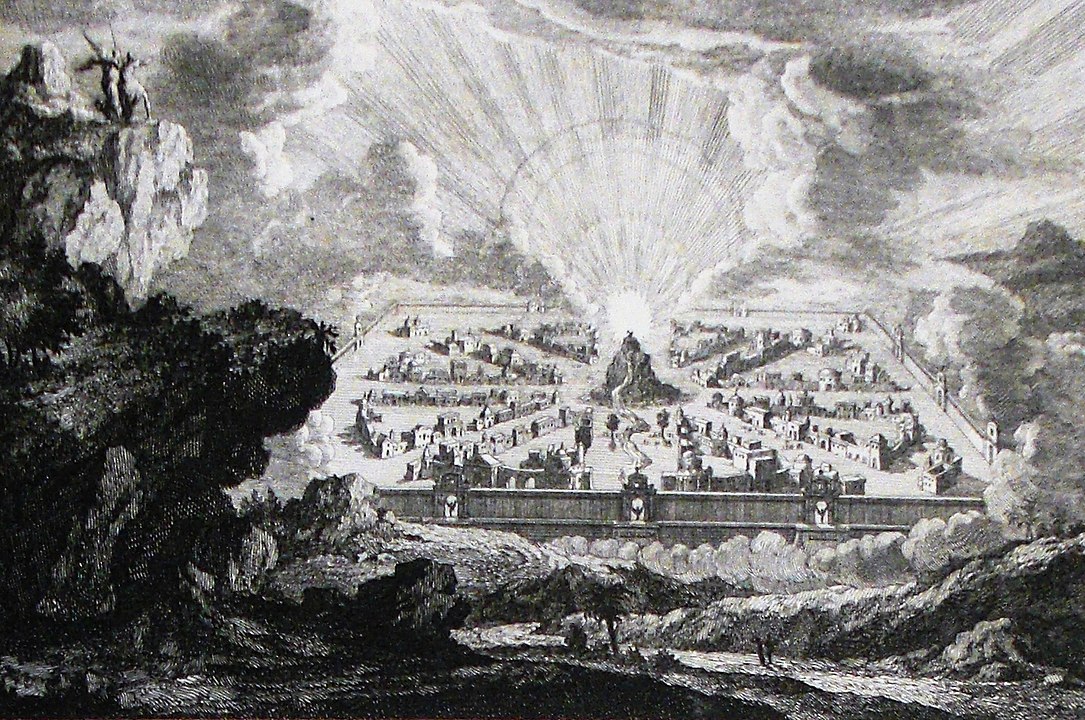
This week we get another of the hard Sundays in the Church Year, although the last few Sundays have kind of been preparing us for it. Two weeks ago, we heard our Lord’s warning about false prophets. Last week, we heard how the Lord brings down the proud, but raises up those who trust in Him. In the Old Testament reading today, we heard St. Jeremiah deliver Word from the Lord that Jerusalem would, in fact, be destroyed for her unfaithfulness. In the Gospel, Jesus foretold how Jerusalem would – again – be destroyed; this time, for failing to recognize, “the day of [her] visitation.” (Luke 19:44 English Standard Version) We must confess that, sadly, these things did happen. The city of God was destroyed both in 586 B.C by the Babylonians, and in 70 A.D. by the Romans. Each was a punishment from God for the unbelief of His people.

After Jerusalem was destroyed by Babylon, the people were led off into exile. After 70 years, the Lord brought them back to their home. Under the faithful leadership of men like Ezra and Nehemiah, the city was rebuilt. After the walls were rebuilt, the people held a feast to God and they sang these words in praise of Him: “Our fathers acted presumptuously…[they] did not obey Your Commandments. They refused to obey and were not mindful of the wonders that You performed among themBut You are a God ready to forgive, slow to anger, and abounding in steadfast love, and did not forsake them.” (Nehemiah 9:16-17) Today we confess that our God is a just God, who punishes those who despise Him; but even more, does He stand ready to forgive those who trust in Him.

I.

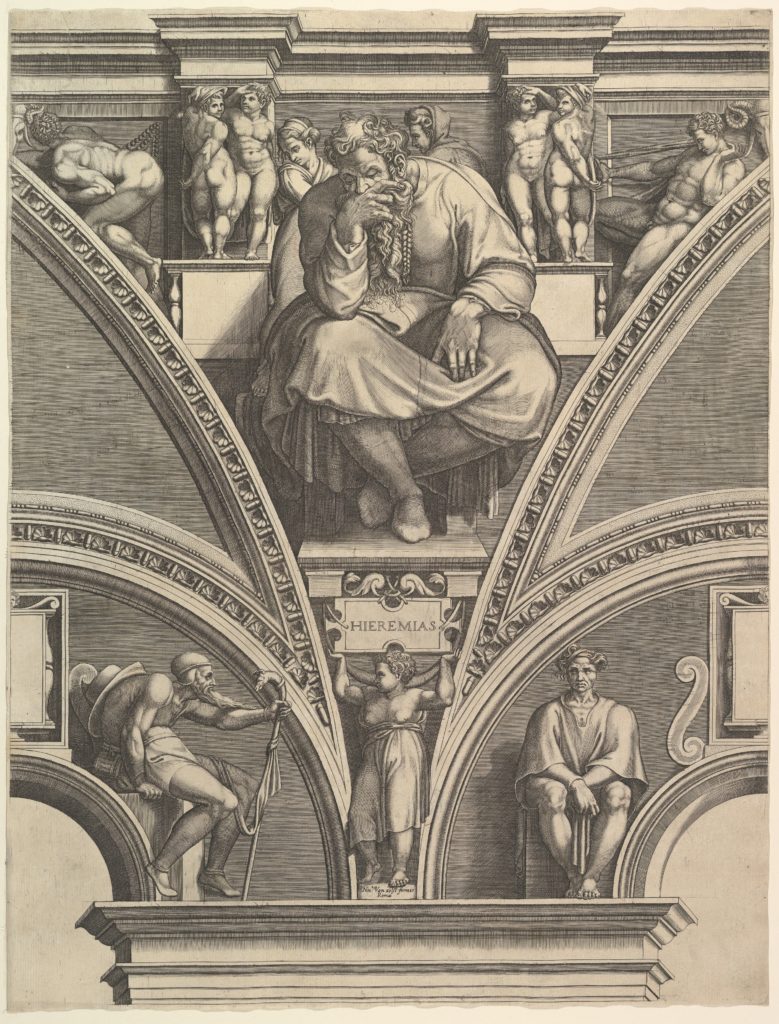
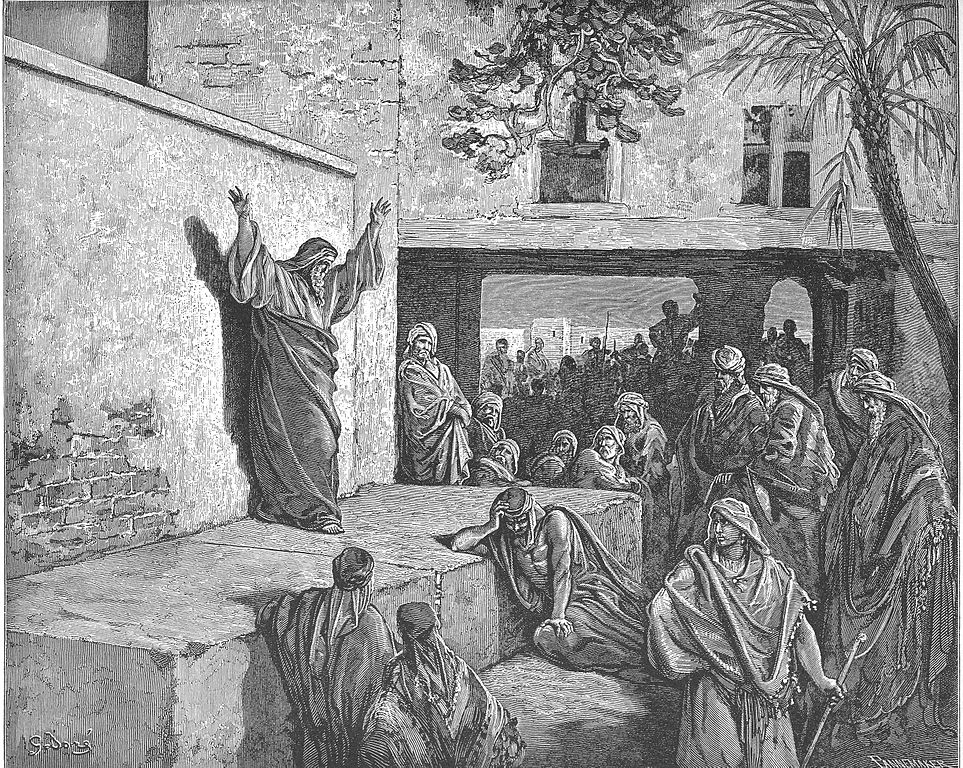
Like we said, this is one of the hard Sundays. Next to the crucifixion of our Lord, the destruction of Jerusalem in the Old Testament is the most painful lesson to read and learn. There’s actually a whole book of the Bible devoted to it, the book of Lamentations. This destruction wasn’t without warning, however. We heard in the text how the Lord, “paid attention and listened,” hoping that His people would listen to prophets and repent of their sin; but they would not. He sent them one prophet after another; Isaiah and Micah, we know by name – but Scripture indicates there many were others, too. The prophets came foretelling the destruction that loomed on the horizon, and also the Lord’s mercy. Even in the face of disaster, the Lord stood ready to forgive them. If His people confessed their sins and trusted in His Word, He would turn the disaster around in an instant – even at the last moment. We heard the Lord speak through Joel back on Ash Wednesday, “‘Yet even nowreturn to Me with all your heart…’ Who knows whether He will not turn and relent, and leave a blessing behind Him.” (Joel 2:12, 14) But, His people would not listen.

When men fall, do they not rise again,” God said. “If one turns away, does he not return? Why then has this people turned away in perpetual backsliding? They hold fast to deceit; they refuse to return.” (vv. 4-5) By return, the Lord means repent. Here, the Lord laments the refusal of His people to trust in Him. The stork in the heavens knows her time, the swallow and crane, too; but not His people. Fueled by lying scribes and prophets, who took the Lord’s name in vain by teaching His Word falsely, the people learned to hold fast to sin and not God. They charged headlong into sin like a horse to battle. Their consciences became seared. They no longer knew how to repent; they forgot how to blush. The Lord longed to gather His people like a hen does her chicks, but they wouldn’t have it. “Therefore,” God said, “when I punish them, they shall be overthrown.” (v. 12)

II.

We cannot confess our God to be a God of mercy and forgiveness without confessing that He is also a God of justice. This thought is brought up in our text. There cannot be forgiveness without some transgression to forgive. The Lord has revealed to us and all people His standard of righteousness in the Ten Commandments. He wrote them both on stone and upon our hearts. To go against the Commandments is to disobey God’s will in favor or our own. It is in fact, to despise what is good and love what is evil. Justice demands that there be punishment of sin. Even still, the Lord is ready to forgive those who repent of their sin. The Scriptures tell us that forgiveness is freely given and received through faith in Christ. There is no work to do, no merit to earn by good behavior. God simply forgives those who confess His Word to be true, who repent of their sins and look to Him.

Those who refuse to repent of their sins, who hold to them, also refuse God’s mercy. Instead of acknowledging God to be in the right, they exalt themselves into His place. And God will not have His glory be shared. Therefore, He pronounced His just judgment against Jerusalem. The Lord raised up Babylon and brought them into the Holy Land. He used King Nebuchadnezzar as His instrument, hoping – even then – that His people would repent. And when they didn’t, Jerusalem was destroyed. The glory of the Lord left the temple, and it was torn down. The walls were leveled and homes destroyed. The people were forced to run from their homes. Thousands were captured and exiled to live in Babylon, while others occupied their houses and businesses. Many perished. Ours is a God of justice, who punishes those who despise Him.

III.

This is a hard week in the lectionary, but let’s have it be hard for the right reason. The destruction of Jerusalem in both the Old and New Testaments should rouse in us an awareness of what awaits us if we continue in sin. We all have an awareness of this by nature, St. Paul said to the Romans; but it becomes clouded when we give ourselves away to sin. To sin is to reject God, to reject His mercy and choose His justice. We have done this throughout our lives, even today. Today, we have done what is evil, proving that the Lord is justified in His words and blameless in His judgment. (Ps. 51) The same that happened to Jerusalem stands ready to happen to us as individuals, on an eternal basis. Thankfully, the Lord has provided a way of escape. This way is Jesus.

The people sang in Nehemiah, “You are a God ready to forgive, slow to anger, and abounding in steadfast love.” It is this love that caused God to put forth His own Son, Jesus Christ, in our place. The destruction we merited by our sins, the Father placed upon His shoulders. On the cross, Jesus was forsaken by God for us and the temple of His body was desecrated so that we might be cleansed from sin. This cleansing and deliverance from sin is not something we can earn or purchase or deserve; God gives it freely out of His own mercy. God does not wait to mete out justice on those who hate him; He longs to forgive those who trust in Him. He desires, above all things, to forgive and do good to those who recognize Him to be in the right, who repent of their sins and trust in Him.

This is one of the hard Sundays, but there is a reason we hear these texts around this time of year. Normally, this text comes about the middle of summer when people are all relaxed and secure, perhaps even secure in their sin – as even we may sometimes be found. Let us hear the sadness in our Lord’s words, that He will punish those who reject Him. However, He longingly desires to forgive and gather together eternally those who repent of their sins and trust in Him. May He cause His Holy Spirit to work in our hearts, that we would always be aware of the sin that clings so close, repent of it, and so receive His merciful forgiveness and be gathered together in His eternal kingdom. Amen.

My God Lightens My Darkness

Text: 2 Samuel 22:26-34

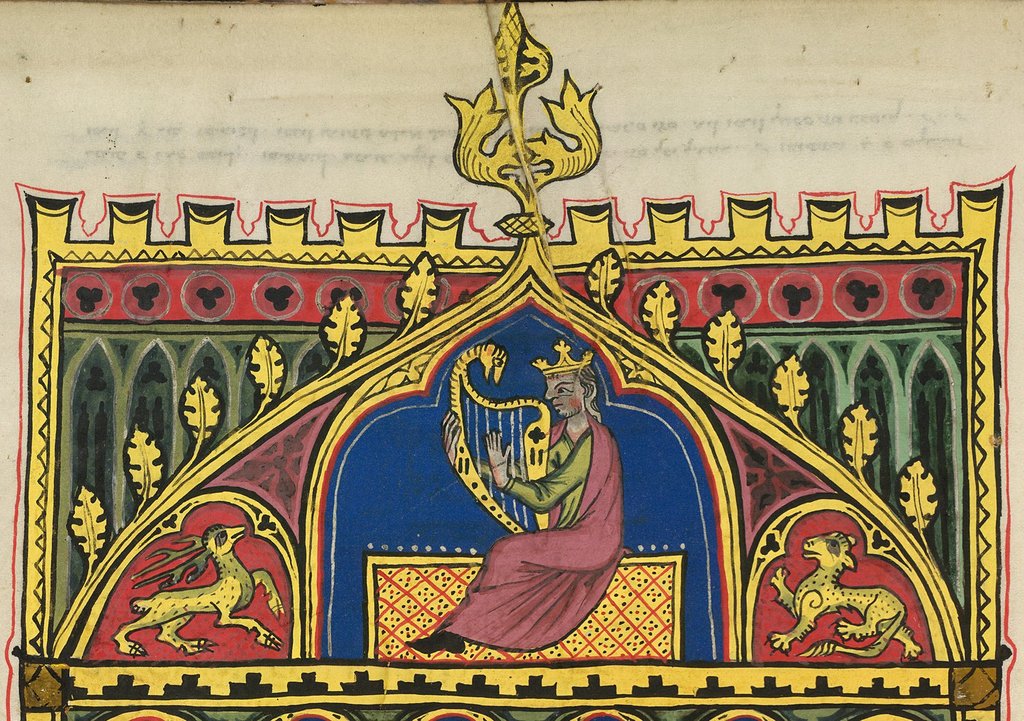
You are my lamp, O Lord, and my God lightens my darkness. For by You I can run against a troop, and by my God I can leap over a wall. This God – His way is perfect; the Word of the Lord proves true; He is a shield for all who take refuge in Him.” (2 Samuel 22:29-31 English Standard Version) They say that, when you’re young, it’s common to feel invincible. Many of us long for those days when we felt like we could go anywhere, do anything, survive anything that might come our way. Over time, that sense starts to dissipate. Whether it’s due to time, changing responsibilities, or declining health, eventually we no longer feel the same sense of invincibility that we once did. And yet, these words today from King David – where he more or less feels invincible – come near the end of his earthly life. The next chapter in Samuel contains “the last words of David.” (2 Sam. 23:1)

David confessed this feeling not because he himself was invincible – for his body would soon give out and be buried with his fathers. No, David confessed this feeling of invincibility through the mercy and strength given him by God. Throughout David’s life, the Lord proved His Word to be true. He continually had mercy on David and forgave him his many sins. Time and time, again, the Lord by His Word gave strength to David to rule in justice and, in time, to die in peace. The Lord lightened David’s darkness. He does the same for us. Our Lord God is continually merciful to us by forgiving us our sins and He strengthens us with His Word so that our feet are, “like the feet of a deer.” (v. 34)

I.

We don’t know when exactly David sang this song, but the Spirit tells us earlier in the chapter that it was, “on the day when the Lord delivered [David] from the hand of all his enemies.” (v. 1) This could really be anytime in his life, but its spot at the end of the book suggests this is a song David sang while looking back on the Lord’s deliverance throughout his life. David did have no shortage of enemies – all of whom the Lord saved him from. For example, we know Goliath – how the Lord delivered David from the hands of that Philistine with just a sling and a stone. There were also the decades that the Lord delivered David from the hands of King Saul, who had been trying to kill him. Then, there was the revolt of Absalom – one of David’s sons – when David had to flee Jerusalem in haste. There were also a number of other revolts and wars, from all of which the Lord delivered David.

The Lord provided David deliverance from all of these things not because David deserved it – for we also know David to be a great sinner – but because of His own mercy. The Lord’s grace was what caused Him to raise David up from shepherding the sheep to be shepherd of His people, Israel. The Lord, through His Word, gave David the gift of faith in Jesus. By this faith, David received mercy from the Lord. Throughout his life, David was led by faith in Christ. When he fell into sin, as he often did, he came to this conclusion – as we spoke this morning – “I said, I will confess my transgressions unto the Lord, and You forgave the iniquity of my sin.” (Ps. 32:5) David confessed his sin, trusting in Christ’s death for him, and the Lord had mercy on him. The Lord forgave his sin and delivered him from all his enemies. “My God lightens my darkness,” David said. “[He] has made my way blameless.” (vv. 29, 33)

Looking back on the Lord’s mercy and deliverance, David said, “The Word of the Lord proves true; He is a shield for all who take refuge in Him…He has made my feet like the feet of a deer and set me secure on the heights.” (vv. 31, 34) In other words, David felt strengthened, nimble, invincible. When David was in trouble, surrounded by enemies, he turned to God’s Word. By the Word, the Lord strengthened David. He assured him of His mercy in the forgiveness of sins and the hope of eternal life through the Resurrection of Jesus. Through the Word, David was strengthened to face his enemies and endure all things, trusting in the Lord, his shield.

II.

We, also, have received deliverance from the Lord our shield. King David was among those whom, St. Peter once said, saw ahead in the Holy Spirit to the ministry of Christ. They witnessed and prophesied for our benefit, we who live near the end of the ages. We are able to look back to see and read the deliverance we have received in Christ. For us, keeping true to His promise, Jesus took on flesh, being conceived by the Holy Spirit and born of Mary. For us, He kept the Law of God fully – in thought, word, and deed. In His death on our behalf, He drank the cup of wrath that was ready to be poured out on us. By these things, and by His resurrection, He has secured for us deliverance from our chief enemy, the devil, and from the power of sin. By His rising, He made it so that our deaths will only prove the doorway from this sad life to joy immortal with Him and our fellow saints.

As with David, the Lord grants us this deliverance not because we deserve it, but solely by His mercy. We, who have lived long enough to no longer feel invincible, have also found in ourselves the corruption of sin. It courses through our veins in an intangible yet ever-present way. If we stop paying attention, if our eyes move from the cross of Christ, we fall. Time, and time again, we sin and continue to fall short of the glory of God. And yet, He has mercy on us. The Lord takes no pleasure in the death of anyone, therefore He brings us to repent of our sins through His Law and, by His mercy, forgives. “The Word of the Lord proves true.” When we confess our sins, He is faithful and just to forgive us and cleanse us from all unrighteousness.

The result of all this, of the Lord continually delivering us by His mercy, is that we can walk a little lighter. Maybe our feet aren’t quite like those of a deer – the Holy Spirit did grant David the gift of poetry, after all. However, here we are in the midst of a pandemic. Here we are singing praise to our God. Here, we receive the forgiveness of our sins as our God serves us in the Absolution and in the true body and blood of our Lord Jesus Christ. This, by the way, is why it’s called “The Divine Service.” In the Liturgy, God serves us; we receive His mercy and sing back to Him of the good things He first gave us. Here, the Lord strengthens us with His Word. When we are faced with difficulty of one sort or the next, we can find comfort here in the Word, where we hear that the Lord has already and will deliver us from our enemies – from sin, from the devil, and from death.

They say that when you’re young you feel invincible. You aren’t really, but you feel that way for a time. But, there is a truth to be had in this in that we are – properly understood – invincible. This isn’t something we possess ourselves, but it’s granted to us by God’s mercy through faith. He has delivered us from all our enemies, and He will yet do so. By His mercy, He continually forgives us our sins; He strengthens our faith through His Word. Even though everything else will fade away, we will endure in Christ. He is our strong refuge and has made our way blameless. “You are my lamp, O Lord, and my God lightens my darkness.” Amen.

The Whole Counsel of God

Text: Jeremiah 23:16-29

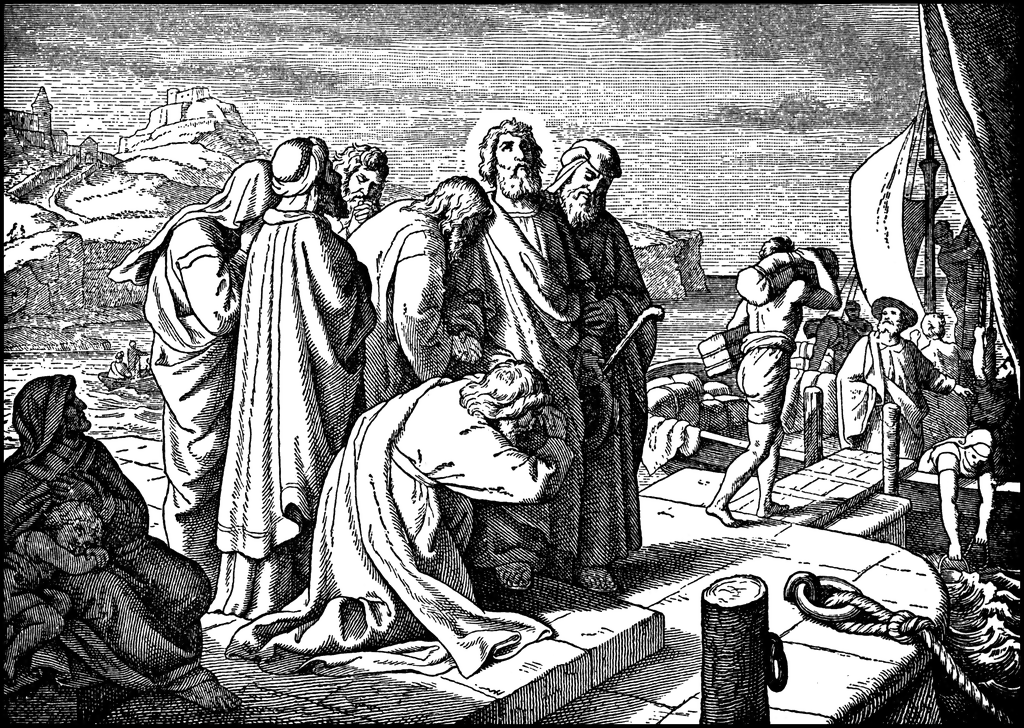
You yourselves know how I lived among you,” St. Paul said to the Ephesians, “how I did not shrink from declaring to you anything that was profitable, and teaching you in public and from house to house, testifying both to Jews and to Greeks of repentance toward God and of faith in our Lord Jesus Christ…I did not shrink from declaring to you the whole counsel of God.” (Acts 20 English Standard Version) These were some of St. Paul’s last words to the Ephesians, after spending several years with them. Just after his farewell, St. Paul boarded a ship for what would be his last trip to Jerusalem. There, St. Paul ended up being taken into Roman custody and remained so for three years, eventually testifying in Rome before being set free. As a farewell to the Ephesians, Paul wanted them to be prepared for the false teachers who would soon appear in his absence. 

One tell-tale mark of these false preachers and prophets would be that they would not teach the whole counsel of God, but would teach only the desires of their own hearts, thus said the Lord in our text from Jeremiah. Jeremiah prophesied during the lowest point, spiritually and morally, in Judah’s history – the decades leading up to its fall. A large factor in the fall of Jerusalem is condemned by our Lord in this text: false prophets who teach only their own dreams, along with the willingness of the people to listen to them. Today, we confess that God calls true prophets to preach His whole counsel, which includes both Law and Gospel.

I.

Thus says the Lord of hosts: ‘Do not listen to the words of the prophets who prophesy to you, filling you with vain hopes. They speak visions of their own minds, not from the mouth of the Lord.’” (Jeremiah 23:16) That’s pretty much the key verse in the whole text, the whole point of it. Remember that Jeremiah prophesied during the decades leading up to, and then during, the Fall of Jerusalem to the Babylonians. We’ve talked before about the role of kings in the Old Testament, how they were meant to be shepherds of the people. Kings were to see that the people were also cared for spiritually, that they were taught rightly to believe and truly to confess God’s saving name. When kings were faithful to God then, generally speaking, so were the people. When they were unfaithful, that unfaithfulness was carried on and enhanced among the people. After the kings, the next biggest influences on the people of Israel were the false prophets. In Jeremiah’s time, they were a dime a dozen. Remember Elijah and the prophets of Baal? That was 1 versus 450.

Although there were a multitude of false prophets, they were united, as the Lord said, in that they did not speak His Words but the visions of their own minds and the “deceit of their own heart[s].” (v. 26) The Lord continued, “They say continually to those who despise the Word of the Lord, ‘It shall be well with you’; and to everyone who stubbornly follows his own heart, they say, ‘No disaster shall come upon you.’” (v. 17) There was no preaching of repentance and faith on the part of the false prophets, no mention of sin – or even forgiveness. The topics of their sermons were only health, wealth, and happiness. And, because those are things that we all like to hear, the false prophets were very well-received. They had no trouble gathering audiences, since their message was, essentially, that people could live and do as they please, without fear of punishment or judgment from God. The result was a generation of people worshipping every “god” but the true One, who, in fact, hated the true God, and were bankrupt of morals. “If they had stood in My council,” God said, “they would have proclaimed My Words to My people, and they would have turned them from their evil way.” (v. 22)

II.

Just before our text, Jeremiah complained that his heart was broken and his bones shook, “because of the Lord and because of His holy Words.” (23:9) Jeremiah is often called “The Weeping Prophet,” because of the burden placed upon him as a true prophet of God. Jeremiah’s call was to preach the Word of the Lord to His people in full, which included both Law and Gospel. The Law to be preached in Jeremiah’s time was that, if the children of Israel did not repent of their wicked and evil ways, they would be overthrown. The Lord would send Babylon upon them, as Isaiah prophesied a century before, and Jerusalem would be destroyed as punishment for her sins. Jeremiah did preach this, and the people hated both the message and the messenger. They attempted to kill him. But, even then, there was a remnant. There was a small group of people who heard Jeremiah’s preaching and listened. They confessed their sins and looked to God for forgiveness and life.

That, really, is the goal of Christian preaching. We aren’t after peace and security as the world seeks it, but a Godly righteousness that endures unto eternal life. Godly righteousness is produced by faith in Christ, which includes repentance over sin. Because we are by nature hard-hearted and evil, God sends us His Word of Law to break our stony hearts in pieces. He does this when He shows us that all the things we naturally like to do are sinful. For example, none of us keeps as close a watch on our mouth as we should. We curse and swear and take His name in vain. We do not close our ears to gossip. Nor do we guard our eyes as the lights of our bodies. When something is placed before us that is against the Sixth Commandment, we do not avert our eyes as we should. Rather than step away from our program, we tell ourselves the story is worth the unsavory elements that burrow into our hearts. This is what God says about our sin: we shall die.

God sends true prophets to preach His whole counsel, which includes the Law and the Gospel. The Gospel is not that God doesn’t judge us, it’s that the judgement that God has rendered against sin was carried out on Christ, and not on you. The Gospel is that the wrath that God had stored up for you when you were living in unbelieving sin was poured out on Christ, instead of you. When you hear this, that Jesus has paid for your sins, and believe it, you have the forgiveness which Christ won. This is what it means to be saved by faith. We recognize from the Law of God our own sinfulness, along with the temporal and eternal punishment which we have earned. We confess our sins and receive from God the free forgiveness won for us by Christ’s sacrificial death on the cross. But, how can we have faith without the Gospel, and how can the Gospel be preached without the Law? Therefore, God sends true prophets to preach His whole counsel, both Law and Gospel.

III.

There is a portion of the Catechism that goes well with, really, all our texts this week. I invite you to turn with me to the First Petition in the Catechism (pg. 323 in the hymnal). Let’s read it together. I’ll ask the questions.

What is the First Petition?

Hallowed be Thy name.

What does this mean? 

God’s name is certainly holy in itself, but we pray in this petition that it may be kept holy among us also.

How is God’s name kept holy? 

God’s name is kept holy when the Word of God is taught in its truth and purity, and we, as the children of God, also lead holy lives according to it. Help us to do this, dear Father in heaven! But anyone who teaches or lives contrary to God’s Word profanes the name of God among us. Protect us from this, heavenly Father!

The Law of God is Good and Wise

Text: Exodus 20:1-17

We’ve been working our way through the Augsburg Confession in Bible study, lately. This Confession is what marks us as Lutheran Christians. We have all promised multiple times that we accept it as true: in our confirmation vows, in my ordination vows, when you became a voting member of the congregation, were installed as an officer, and so on. Although Martin Luther was not the author of the Augsburg Confession, he himself said that it is still his teaching. After Luther died, the Evangelical theologians split over a few topics that come up in the Confession. One of these comes up in our readings this week. The issue concerns the Ten Commandments. Should they still be preached and taught in a Christian congregation? Some said yes; others said no.

We said earlier in the Psalm, “The law of the Lord is perfect, reviving the soul; the testimony of the Lord is sure, making wise the simple; the precepts of the Lord are right…more to be desired are they than gold, even much fine gold.” (Psalm 19 English Standard Version) If we combine this with our Lord’s teaching in the Gospel that His Word remains forever, we can see that, yes, the Law of God in the Commandments should continually be preached and taught in Christian congregations. But, why? In the Ten Commandments, the Lord gives us the standard of what is right and wrong, shows us our need for Christ, and prompts us to love and serve our neighbor.

I.

These three things are called the 3 Uses of the Law or the 3 Functions. In Confirmation we learned them as curb, mirror, and guide. Today, let’s remind ourselves what these mean. We heard in the Old Testament reading the giving of the Ten Commandments on Mount Sinai. The Lord, rich in grace and mercy, led forth the children of Israel out of slavery in Egypt and brought them to His holy mountain. There, they witnessed the greatness of His might and the vastness of His glory. For 40 days and nights Moses remained at the top of the mountain and God spoke to him, inscribing on stone what He originally wrote on human hearts at the Beginning. When Moses came down to the base of the mountain, he held in his hands two tablets of stone. Written on these were the Ten Commandments of God.

The first function of the Law, the Ten Commandments, is to be a curb. The purpose of a curb is to keep cars on the road, so also bumpers with bowling balls at the alley. We see this function in the words, “You shall not.” In the Commandments, God sets before us the standard of what is right and what is wrong. We live in a time where many believe there is no objective right or wrong. As Christians, however, we confess that there is a standard of righteousness, and it is revealed to us here by God. With the Commandments, God sets a boundary between things we should and shouldn’t do. We should not murder, commit adultery, steal, lie, or covet. The Lord enforces these boundaries in our lives by earthly authorities. St. Paul wrote to the Romans, “Let every person be subject to the governing authorities. For there is no authority except from God, and those that exist have been instituted by God…[governing authorities are] God’s servant, an avenger who carries out God’s wrath on the wrongdoer.” (Rom. 13) All of us in our lives have been disciplined by parents and teachers, as well. The first function of the Law is to show us God’s standard of good and evil.

II.

Ever since the Fall into Sin, however, we don’t receive the Commandments as such. Instead, we receive them as something bad – like when a little boy is told not to eat from the cookie jar. What is the first thing he does when he thinks no one is looking? He takes from the jar. Through the corruption of the Fall, we rebel against the Commandments. We disregard them or belittle them. We forget them and act against them. Often, we excuse or exempt ourselves from the Commandments, while at the same time measuring them heavily against those around us. Sometimes, we aren’t even aware of all this. Or, if we are, we hide it. Our Lord once said, “Nothing is covered that will not be revealed, or hidden that will not be known.” (Mt. 10)

The second function of the Law, and the main reason why it must remain in our preaching and teaching, is that it acts as a mirror. The Ten Commandments show us what good things we have failed to do, and what evil things we have done instead. Remember how the prophet Nathan went to King David after he had committed adultery. He said to him, “You are the man,” (2 Sam. 12) demonstrating from David’s own words that he deserved to die for his sins of adultery and murder. The Law also shows us our sin. When we rightly contemplate the Commandments, we learn from them how we have failed to love God and our neighbor and we hear from them what we deserve for our sin: death. Because we are sometimes blind to our own sinfulness, it is part of the pastor’s call to preach the Law to us, whether it be in a sermon or in a visit. When the pastor preaches the Law to us, it is not because he is angry with us or is trying to irritate us. He is trying to show us why Christ died for us.

The Law acts as a mirror to show us our sin, so that it can also point us to Christ, who bore our sin on the cross. When Nathan preached the Law to the king, David was convicted. He knew and felt his sin in his heart. Then Nathan said to him, “The Lord also has put away your sin; you shall not die.” (2 Sam. 12) Nathan preached the Law to David so he could also preach the Gospel. The sins that David committed – those sins are what Christ bore in His body on the tree. The same is true for you and me. The Commandments act as a mirror and show us our sins. They show which sins Christ died for – all of them. When the Commandments are preached to us and we realize that we, too, have sinned and are deserving of both death and hell, we can then take comfort in Christ’s death for us. We preach the Law so that we can also preach the Gospel. You cannot have one without the other.

III.

Now we get to where the theologians argued over after Luther’s death. Some taught that Christians, who are redeemed by faith in Christ, no longer need to hear the Law. They simply do what is good out of love, without any further instruction. I mentioned a little boy before, who takes from the cookie jar when no one is looking. If we love our children, but never teach them what is right and wrong, can we expect them to do only good things? No, we love them and teach them what is right. We pray that, in time, they also will love what is good and hate what is evil. Although, initially our children listen for fear of punishment, we hope in time that they listen out of love and appreciation.

For the first two functions, alone, the Law ought to be preached and taught continually. The Law shows us God’s standard of right and wrong, it shows us our need for salvation. Because we continue in this impure flesh until the Resurrection, we will always need reminders. Therefore, there is a third thing the Law does, and it only does this among Chrstians. The Law also acts as a guide. It teaches how one lives a God-pleasing and righteous life. Through faith in Christ, we no longer see the Commandments as something bad, but as a true good. The Commandments are good, and we want to do them. Though we, by nature, were once children of wrath, by the working of the Holy Spirit we are now God’s children and we want to do what pleases Him. What sort of works please God? Works that are pleasing to God proceed from faith: in thanksgiving for the mercy we receive in Christ and according to the Commandments.

This was a struggle in the early history of Lutheranism (which, actually, also happened in the early Church). By God’s grace, we have been preserved in true teaching. The Commandments will continue to be taught in this Christian Church because they perform three functions. The Commandments show us God’s standard of good and evil actions. They show us our sins, for which Christ has died and risen. Lastly, they provide a guide for us as Christians seeking to love and serve both God and neighbor. Incredibly, the Law does these things all the same time. It will continue to do so until the day of our Lord’s return. When our bodies are raised, we shall be fully purified from sin and we will keep the Law perfectly, for the Law of God is good and wise. God grant this unto us all. Amen.

What Are We Doing Here?

Text: 1 Kings 19:11-21

You are a chosen race, a royal priesthood, a holy nation, a people for His own possession, that you may proclaim the excellencies of Him who called you out of darkness into His marvelous light. Once you were not a people, but now you are God’s people; once you had not received mercy, but now you have received mercy.” (1 Peter 2:9-10 English Standard Version) Thus said St. Peter in his first epistle. He answers, in part, God’s question to Elijah in our text, “What are you doing here, Elijah?” (1 Ki. 19:13) We could also ask ourselves this week: what are we doing here? 

The Lord’s question for Elijah was not coming from a place of ignorance. The Lord, of course, knew why Elijah was there at Mt. Sinai. The question was to make Elijah aware of what he was not doing. He was not out exercising his office as prophet – the office to which God had called him. He was not proclaiming the Word or teaching it. He had, in fact, closed his mouth from princes and kings to hide God’s Word in his heart. In the text, the Lord comforted Elijah with His Word and then sent him back out to do what the Lord called him to do in the first place. The Lord also calls us, His Church, to proclaim His Word in the world, even as He comforts us through the same voice of His Word and Sacraments.

I.

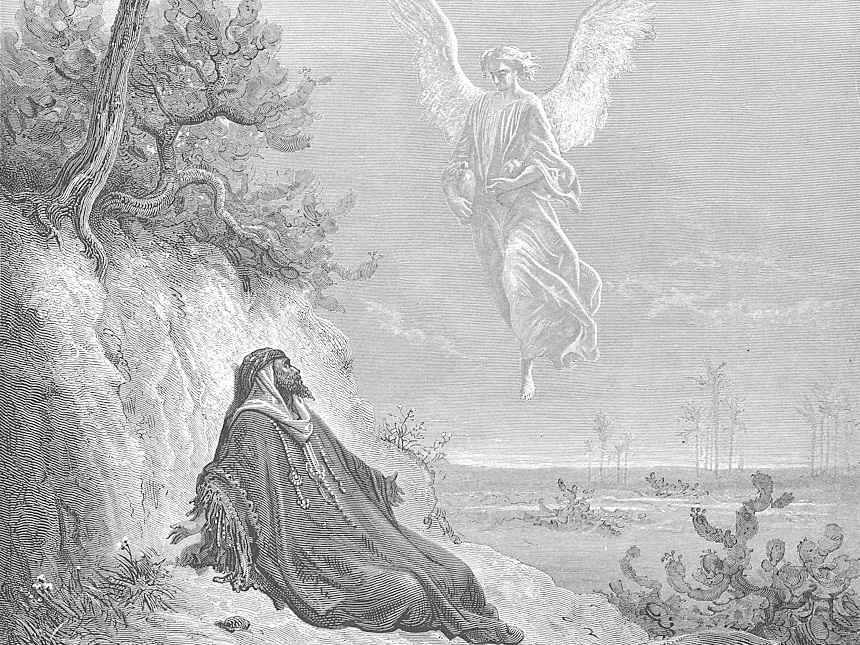
Our text this week comes shortly after Elijah’s showdown with the prophets of Baal. You remember how it was – Elijah on one side versus 450 prophets of Baal on the other. Those prophets called out to their god all day long and no one answered. Elijah, on the other hand, totally soaked his sacrifice, the altar, and a trench around it with water. After his prayer, the Lord sent fire from heaven and consumed the sacrifice, the altar, and even the water around it. It was a definitive answer from the Lord that He alone is God. The prophets of Baal were sentenced to death. Queen Jezebel, after hearing this, sent word to Elijah. She said, “So may the gods to do me and more also, if I do not make your life as the life of one of them by this time tomorrow.” (1 Ki. 19:2) Hearing this, Elijah was filled with fear. He went and hid in the desert. Elijah prayed to God to end his life right then, but the Lord declined.

Elijah journeyed 40 days and nights to Mount Horeb, which is another name for Sinai, and he hid there in a cave. Even though he had witnessed the great power of God – even the power to raise the dead, as the Lord did for the widow at Zarephath – Elijah was filled with fear, and he hid. The Lord had called him to proclaim the Word to the world, to be steadfast and immovable; well, Elijah was immovable, just hiding in a cave. He feared persecution and earthly death more than he valued his duty to proclaim God’s Word. The threats against him were real, but let’s not be so sure to commend his retreat.

That’s hard to do because, well, we are tempted to do the same. At present our lives are not in danger because we are Christians, although this danger exists presently around the world. It may come to our country in time. No, at present, there are other things we fear as Christians. We fear a financial downturn, both personally and as a congregation. We fear a lowered social standing. There was a time when all the prominent members of the community were Christians, but that is fading. A time will come when those who wish to remain faithful to the true teaching of Scripture will be marginalized. Perhaps, this time is beginning. These are real fears because they represent changes to the ways we have lived and operated. When faced with these fears and others, even as Christians, we retreat.

We fear the prospect of a financial downturn among the congregation, so we “hedge our bets” by decreasing our giving rather than rejoice at the opportunity for a greater use of the resources God gives us. At times congregation members use their giving as their voice, and for fear we have listened to the voice of men above the voice of Scripture. For fear of how those outside the Church might respond, we neglect to speak to or address certain topics; or if we do, we are careful to choose our words so as to not cause discomfort. Faced with these fears, and others, we, too, retreat. We retreat here to our pews where it’s safe to be a Christian. We’re right to feel safe here because here we receive the forgiveness of our sins through the pure Word of God and the Sacraments. But, at times, we turn the sanctuary of God into a hideout. God asked Elijah, “What are you doing here,” not because He didn’t know, but to teach Elijah what he should’ve been doing.

II.

We heard Elijah’s complaint to the Lord: that he alone was left to serve. He had been zealous for the Lord, but the people had broken God’s covenant. They had torn down His altars and killed the prophets. Now Elijah was left by himself and would rather die. While Elijah was there, there was a “great and strong wind.” (v. 11) Then there was an earthquake and a fire. All these things have been signs of the Lord’s presence before. This, by the way, is all happening on Mt. Sinai. When the Lord delivered the Commandments, there was also quaking and fire. This demonstrated the severity of the Commandments and the weight of God’s Law. But, here, after the wind, quake, and fire, came “the sound of a low whisper.” (v. 12) Here came God’s Gospel voice and said that there were, indeed, “seven thousand in Israel, all the knees that have not bowed to Baal, and every mouth that has not kissed him.” (v. 18) Elijah was not alone. 

The Lord comforted Elijah with the promise that, as He said before the Apostles, “the gates of hell shall not prevail against,” His Church. (Mt. 16:18) The Lord will always defend His Church from evil. He will always work through and in it, forgiving iniquity and passing over transgression, as we heard from Micah a few weeks back. Contrary to his fears, Elijah was not alone. The Lord was with him, and so were 7,000 other members of the Church. The world would not overcome him. Emboldened by this word from the Lord, God sent Elijah back out. He said to him, “Go, return on your way to the wilderness of Damascus. And when you arrive, you shall anoint Hazael to be king over Syria. And Jehu the son of Nimshi you shall anoint to be king over Israel, and Elisha the son of Shaphat of Abel-meholah you shall anoint to be prophet in your place.” (vv. 15-16) In other words, Elijah’s got work to do. He was to go and proclaim God’s Word to kings and prepare Elisha to follow after him as prophet. 

When Elijah was afraid, he retreated to the mountain of the Lord and attempted to make it a hiding place. Instead, it became a springboard of sorts. The Lord reassured him that, contrary to appearances, everything was not falling apart. The Lord was with him, and would continue to be him in his work of preaching and teaching the Word. Sometimes, we’re tempted to retreat like Elijah. We see the way the world reacts to the Word and we’d rather avoid it. But here’s the thing: just as the Lord remained with Elijah, so He is with us. He has promised to never leave us nor forsake us. Instead, He remains with us continually – in the Word, in the Sacrament. Through these things, these Means of Grace, He works to forgive us our sins “daily and richly,” as we learn in the Catechism. By these things He bids our fears depart. 

St. Peter said, “You are a chosen race, a royal priesthood, a holy nation, a people for His own possession, that you may proclaim the excellencies of Him who called you out of darkness into His marvelous light.” This is perhaps the answer to the question, “What are we doing here?” Why has the Lord provided for us to remain hearing His Word and receiving His gifts these many years? Because there’s work to do. By faith in Jesus, we, too, are called to be “fishers of men.” (Mt. 4:19) Though the world may threaten with disaster, let it not rob us of our cheer, “for He who is of death the master with aid and comfort e’er is near.” Amen.

Sincerely Forgive and Gladly Do Good

Text: Genesis 50:15-21

In the fifth petition of the Lord’s Prayer we pray, “forgive us our trespasses as we forgive those who trespass against us.” We pray this because we daily sin much and, therefore, deserve nothing from God – not even the things for which we pray. We humbly ask that the Lord would not look at our sins, or deny our prayers because of them; but that He would grant them all to us by grace. So we, too, will sincerely forgive and gladly do good to those who sin against us. We don’t forgive others to earn anything from God. Rather, we forgive others because God, first, freely forgives and provides for us in Christ. We see a great example of this today in Joseph.

After Jacob’s death, Joseph was in a unique position. He was second only to Pharaoh in Egypt and now was in a place where he could return to his brothers the evil which they had shown to him. This is what his brothers feared. Instead, Joseph said, “Do not fear, for am I in the place of God?” (Genesis 15:19 English Standard Version) What Joseph meant was, since God had already forgiven them – and Joseph – of a great many sins, how could he not also forgive his brothers? Joseph would continue to care for them and provide for all their bodily needs. Today we confess that, since our God has and does freely forgive us in Christ, so we sincerely forgive and gladly do good to those who sin against us.

I.

It’s been about a year since we’ve heard of Joseph, so let’s jog our memories. It’s important to know why his brothers were afraid he might get back at them. Joseph was born in Canaan, the great-grandson of Abraham, son of Jacob. Joseph was Jacob’s favorite out of his twelve sons and made for him a “robe of many colors.” (Gen. 37:3) Moreover, Joseph was blessed by the Lord. God gave Joseph wisdom, along with the gift of dreams and the ability to interpret them. In time, Joseph’s brothers grew to hate him and they conspired against him. Their original plan was to kill him. Through the intercession of his brother Reuben, Joseph’s brothers instead threw him into a pit. Later, it was Judah’s idea to sell Joseph into slavery – which they did. Joseph’s brothers hated him, they spoke poorly of him; then they washed their hands of him by selling him into slavery. Joseph ended up a slave in Egypt, serving in the house of an officer. He was there for about ten years. Through a course of events, Joseph found himself in prison – unjustly – where he remained for nearly three years. 

There’s a lot to cover with Joseph, but we understand now that Joseph suffered at the hands of others. He was sinned against by his brothers, by the Egyptians. In this way, we are like Joseph because we, too, have been sinned against. We have been hurt, sometimes greatly, by how others have treated us. We have been spoken to and spoken of in less than kind ways. We have been judged harshly and with little kindness. Our actions have been mischaracterized and our intentions doubted. Sometimes, we have prompted these misdeeds by our own mistreatment of others. We have been sinned against, and we have sinned against others by hurting them, speaking poorly of them, judging harshly and – in general – conducting ourselves with less than Christian kindness, mercy, and love.

II.

In the text we heard that, after their father had died, Joseph’s brothers said, “It may be that Joseph will hate us and pay us back for all the evil that we did to him.” (v. 15) They sent to him by messenger a plea for forgiveness, saying their father, also, had asked Joseph to forgive them their sin. Joseph wept while the message was read to him. His brothers then came themselves, offering them and their households to be his slaves. Joseph said to them, “‘Do not fear, for am I in the place of God…Do not fear, I will provide for you and your little ones.’ Thus,” Moses writes, “he comforted them and spoke kindly to them.” (vv. 19, 21) Before all this, Joseph’s brothers had been living with him in Egypt for 17 years. When they most greatly feared retribution for their sin, Joseph comforted them. He freely forgave them their sin and promised to do good to them by continuing to provide for them.

Joseph didn’t forgive and do good to his brothers because they deserved it, but because he himself had been freely forgiven and provided for by the Lord. Joseph knew that the Lord is, “a God merciful and gracious, slow to anger, and abounding in steadfast love and faithfulness, forgiving iniquity and transgression and sin.” (Ex. 33:6-7) Think of how Joseph must have felt sitting in that empty well, waiting to be killed by his brothers. Or, how do we think Joseph felt while serving an unjust sentence in an Egyptian prison? If God were to mark Joseph’s sins against him, Joseph would’ve already been dead and in hell for eternity. As it is, our God is a merciful God. The Lord took Joseph’s sins, and his brothers’, and cast them into the depths of the sea. When they came begging Joseph for forgiveness, in recognition of God’s great mercy, Joseph also forgave those who sinned against him.

III.

Forgiving others is a hard thing to do, especially when we have been greatly hurt by the sins others have committed against us. If we were to measure their sins against us against our sins before God, however, we would find that our guilt before God greatly outmatches others’ toward us. And yet, God does not hold our sins against us. Instead, He freely forgives us for the sake of Christ and continually does good by us by continuing to provide for all our needs of body and soul. Shall we, then, exalt ourselves to the place of God and not forgive those who sin against us? No, when we are sinned against – which we will be, probably every day of our lives – let us, in turn forgive.

When others hurt us by their actions, let us do good to them by ours. When we are spoken to or of poorly, let us pepper our words with kindness. When we are judged harshly, let us seek to explain everything in the kindest way. Our Lord said, in this way, “Good measure, pressed down, shaken together, running over, will be put into your lap.” (Lk. 6:38) Now, we don’t do all these things because others deserve it. We shouldn’t do them to earn points with God, or to somehow benefit ourselves. Instead, we forgive others their few sins against us because God forgives us our many sins against Him by the sacrifice of His own Son. We live in a time where so many are seeking to change the world. We might not be able to do that, but we can here by sincerely forgiving and gladly doing good to those who sin against us, as our God acts toward us in Christ.

Who Is a God Like You?

Text: Micah 7:18-20

In the book of Exodus, shortly after the Golden Calf, Moses was immensely distressed by the Lord’s decision to no longer lead Israel Himself but with an angel, instead. This was to be received by the people as discipline for their idolatry. Although they would suffer in this way, the Lord would, of course, remain with them and bring them to the Promised Land – just as He said He would. Moses asked for a sign of God’s continued presence. The Lord placed Moses in the cleft of a rock and passed in front of him saying, “The Lord, the Lord, a God merciful and gracious, slow to anger, and abounding in steadfast love and faithfulness, keeping steadfast love for thousands, forgiving iniquity and transgression and sin.” (Exodus 34:6-7 English Standard Version) Moses was strengthened by this and led the people of God for 40 years until his own entrance into the Promised Land of heaven.

The Lord, merciful and gracious, abounding in love and forgiveness is who St. Micah places before us today. As a prophet Micah was active during a peak of Israel’s earthly greatness. The greatness of the kingdoms of Israel and Judah during his time was second only to Solomon’s, who reigned three centuries before. Yet, at the peak of their greatness, one kingdom was brought to destruction and the other very nearly so, for they had forgotten their first love – the Lord. Though Micah lived and prophesied during a time of discipline from the Lord, he waited in patience and hope. He knew that the Lord does not retain His anger forever, but will again have compassion on His people. From Micah we learn that the Lord will, indeed, have compassion on His people on the Final Day, even as He pardons and forgives us now in Christ.

I.

Who is a God like you,” Micah sang, “pardoning iniquity and passing over transgression for the remnant of His inheritance? He does not retain His anger forever, because He delights in steadfast love.” (Micah 7:18) With these words Micah encouraged the faithful children of God – the remnant – to await His coming mercy with patience. Micah, along with Hosea, Amos, and Isaiah, prophesied during a turbulent time in Israel’s history. It was also a wealthy and prosperous time. In Scripture, these often go together: material prosperity and turmoil. This is because in times of worldly greatness, when riches and land excel – God’s people often turn away. They become secure and no longer have any need for God. Such were the people during Micah’s ministry.

When he says that the Lord pardons inquity and passes over transgression, Micah uses two different words. In English, these words seem the same, but here Micah precisely describes what is going on in his time. The first word he uses describes sins against the Second Table of the Commandments – sins committed against other people. In Micah’s time, it was common for everyone – from king to peasant – to cheat, lie, or otherwise take advantage of others in any way possible. The second word Micah uses implies ungodliness – hatred toward God, a detest of His Word, idol worship, and various forms of perversion. Because of these things, the Lord allowed the Northern Kingdom to fall to Assyria in 722 B.C. The Kingdom of Judah very nearly fell itself, if not for the prayer of faithful king Hezekiah and the comforting witness of Isaiah.

Micah recognized his time as one of discipline from the Lord. He knew that, as a father disciplines his son for his good, the Lord disciplines His children. Micah took comfort, however, in the fact that Lord will not always discipline, because His delight is in showing love. “He will again have compassion on us; He will tread our iniquities underfoot,” Micah said. “You will cast all our sins into the depths of the sea.” (v. 19) We mostly know Micah for His promise that Jesus would be born in Bethlehem, but here as well Micah saw in the Spirit the Day of the Lord, the Final Day. Micah offered this comforting promise, that, although the Lord’s people experience His discipline, soon will come a day when all sins are put away, all darkness is turned to light, and Satan is fully tread underfoot.

II.

We, also, live in a time of turbulence, a fact we’re more aware of as of late. We live in the wealthiest and most materially prosperous nation the world has ever seen. We ourselves, in one way or another, have access to resources that would have been unimaginable a few generations ago. And yet, everything seems to be falling apart. Although it is common and very easy to push the blame upward – as our father Adam did in the Garden – and blame those in authority, we might as well point finger at ourselves. After all, it is true that leaders themselves are images of the people they represent. Micah used two words for sin. One implies sin against neighbor and the other disrespectful behavior toward God. Both are present in our lives.

We all have an overactive concern for our own well-being. Our concern in most things is for ourselves first, and only after for others. At times during this pandemic, we have worried primarily about our own earthly lives and not for the safety of others. Last week St. John encouraged us to be willing to lay down our lives for our fellow Christians in need, but we are reluctant when called upon. There are other sins that you and I have committed against others that are known only to our hearts. Above that, we have behaved impiously toward God. We have doubted His provision for us, we have been negligent in our devotion, and we have not truly valued the pure Word and Sacrament as our highest good and treasure. If Luther were here now, he would say – as he did of his time – that the way of the world is the Lord disciplining us and teaching us to repent.

Let us, then, receive it as such – and be patient – because we know what awaits. Micah said, “You will show faithfulness to Jacob and steadfast love to Abraham, as You have sworn to our fathers from the days of old.” (v. 20) Micah praises God because, as bad as the world may be, evil will meet its end. Sin will be done away with, and the devil will eat the dust at our Lord’s return. The Lord will not be angry forever, but will return and have compassion. He will raise our bodies. Those who in this life despised the Lord will be forever put away, but we will live in joy and peace with our Lord and those who have gone before us. What a wonderful sight it will be to behold.

III.

Here is where we get to the now-but-not-yet part. Here, again, the Holy Spirit makes a wonderful choice of words. In verse 19, you can see that the verbs are in the future tense. But in verse 18, the Spirit uses present tense verbs. God’s delight is in showing steadfast love. He now is pardoning iniquity and passing over transgression. With the other prophets, Micah saw ahead to the ministry of Christ. He saw that Jesus would take our sins into Himself. Micah saw what Jesus has done for us. He has fully obeyed the Law of God for us and with His sacrificial death, made payment for our sins against both God and neighbor. He has removed God’s wrath from us by bearing it Himself.

By His obedience of the Law and His death for us, Jesus won for us the forgiveness of our sins. This forgiveness is not something that He’s saving until later – to give to us only on the Last Day. No, this forgiveness He gives to you now. Here in the Absolution, in the Sacrament of the Altar, by our Baptism, and by faith in His Word, Jesus applies to you the forgiveness which He won for you. In these things, He covers your iniquity and passes over your transgressions. He does this so that, on that Final Day, you and I might stand before Him free from blame – not having righteousness of our own, but wearing His white robes. Though we suffer in this life, and are perhaps now undergoing discipline from the Lord, let us be encouraged by St. Micah. There is no God like our God, who freely loves and forgives. Let us wait for Him in patience, knowing that He will show us faithfulness and love just as He promised and as we now receive in Christ.

Blessed in the Kingdom of God

Text: Luke 14:15-24

Dear friends in Christ: This last week, I was working through the Catechism again and I came across a portion that, I think, works well with the Gospel text today. The parable of the Great Banquet, where those who were invited ended up not being in the feast and those who were previously uninvited were brought in is a good illustration of a portion of the Catechism that we speak every Sunday, today included. See if you can figure out what portion I mean. The Catechism starts with the Ten Commandments, which are God’s will for our lives. They teach us how to love God and our neighbor. Next comes the Apostles’ Creed, which is pure Gospel. It teaches us about all that our God has done, and still does, for us. The Creed is what the Lord invites us to believe.

After the Creed comes the Lord’s Prayer. The Prayer comes here because the life of faith is a difficult one. The Lord’s Prayer is a tool, the best arrow in our quiver, that the Lord gives us. When we are faced with the difficulties and miseries of this life, He invites us to pray in the glad confidence that He will, indeed, hear and answer us. In the Second Petition of the Lord’s Prayer, “Thy Kingdom Come,” we ask that the Lord would grant us His Holy Spirit so that we would believe the Word that is proclaimed to us, and so enter into His blessed feast. Today we give thanks that the Lord has brought us in from the alleys and highways of sin, and we ask that He would continue to grant us His Spirit so that we listen when He calls.

I.

The context of our Lord’s parable this week is a sabbath meal in the house of a ruler of the Pharisees. As was His custom, our Lord taught in the synagogue during the day. In the evening, He would eat wherever He was invited. His invitation this evening placed Him among a somewhat hostile crowd. We’ll hear our Lord’s teaching during this meal again before the Trinity season ends, when He encourages us to live in humility before God and toward others. What prompts today’s teaching is what we heard: “When one of those who reclined at table with Him heard these things, he said to [Jesus], ‘Blessed is everyone who will eat bread in the kingdom of God.’” (Luke 14:15, English Standard Version) Our Lord then proceeded to teach about those who would eat in the heavenly kingdom of God.

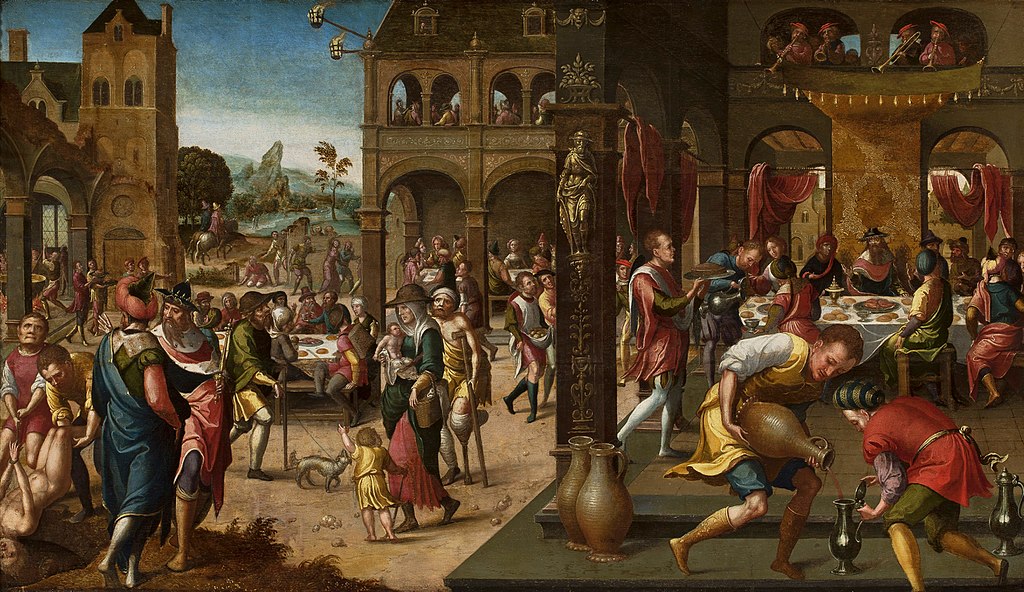
Jesus said, “A man once gave a great banquet and invited many. And at the time for the banquet he sent his servant to say to those who had been invited, ‘Come, for everything is now ready.’ But they all alike began to make excuses.” (vv. 16-18) We won’t go through the excuses the people gave, since we heard them just a little bit ago. Suffice to say, they were all reasonable excuses. If you look in the Old Testament, two of the excuses were valid reasons one could give to be exempted from military service. Not satisfied, however, “The master of the house became angry,” Jesus said. “[He] said to his servant, ‘Go out quickly to the streets and lanes of the city, and bring in the poor and crippled and blind and lame.” (v. 21) The master of the house had his servant go out and gather those who typically would not have been included in a great banquet. In St. Matthew’s account of this parable, the banquet is a wedding feast.

The servant did go out. He brought in the poor, crippled, blind, and lame and yet, he said, “still there is room.” (v. 22) One final time the master spoke to him, “Go out to the highways and hedges and compel people to come in, that my house may be filled.” (v. 23) The highways and hedges were the paths on the way out of town. The servant was to go out and bring into the feast those who had no expectation of an invitation, who hadn’t even heard of said meal. The parable closes with the master offering his explanation for these instructions – which is also a key to understanding the meaning of this parable. He said, “I tell you, none of those men who were invited shall taste my banquet.” (v. 24)

II.

A first thing to consider to understand this parable is that Scriptures often portray heaven with feasts and banquets. When we follow Divine Service, Setting I, we often sing “This is the feast of victory for our God.” That song is based on a passage from Revelation that says in part, “Let us rejoice and exult and give Him the glory, for the marriage of the Lamb has comeblessed are those who are invited to the marriage supper of the Lamb.” (Rev. 19:7, 9) The context is, of course, heaven. In the parable, the master of the house is our Lord God, even Christ Himself. The servant represents the prophets and apostles, whose ministries were to call people to Christ’s feast. Their ministries continue even now through the written Word of God. Those who were first invited in the parable are those whom the prophets, apostles, and Lord came to call – the lost sheep of the house of Israel. Yet, as we witness throughout Scripture, God’s people constantly rejected Him.

In the parable, the servant was sent into the streets and lanes of the city to gather up the outcasts. These represent those of Israel who did receive Jesus. Our Lord often ate with tax collectors and sinners, not because He condoned their lifestyles, but because those who have great sin are those in greatest need of a savior. The last group invited to the banquet were those on the way out of town and who were already outside. That is the category we fall in. We are on the outside, first, because we were not born offspring of Abraham. More seriously, however, is that we were born outside of God’s mercy through the Fall into Sin. By our birth of flesh and blood, we inherited the corruption of sin. We were born without faith or love for God, and with the desire to sin. We were born without any expectation or right to eat bread in the kingdom of God.

The Lord had mercy on us, however, and sent His Son to redeem us. Jesus became our savior by bearing our sin in His body on the cross. With His blood, Jesus atoned for our evil deeds and bought us back from the clutches of death and the devil. Through the Word, He has brought us to faith and into His Kingdom, the Church. Here in the Supper and into eternity He invites us to eat at His blessed feast, which we ourselves have neither merited nor deserved.

III.

The parable today is a good illustration of the Second Petition. In this petition, we ask that God’s kingdom would come to us also. Let’s answer the question, “How does God’s kingdom come,” together. (pg. 324)  “God’s kingdom comes when our heavenly Father gives us His Holy Spirit, so that by His grace we believe His holy Word and lead godly lives here in time and there in eternity.” Although I said that we are represented by those on the outside of the city in the parable, it is also true that we are among those given to make excuses. Although we have been brought into the family of God through our Baptism into Christ, we remain in the flesh. And, insofar as we are in the flesh, it continues to fight against us and we against our own sinful nature.

We ask in this petition that the Lord, who has given us so generously of His Spirit through the Word, would continue to grant us the same Holy Spirit. We ask that we would be given ears that hear when He calls, and that we would not be waylaid by the world and its temptations. We ask that we would treasure His Word in our lives, whenever it is read, preached, or sung and that this love for Him would spread to all the world. Although we, by nature, have no right to eat bread in the kingdom of God, we thank Him today for bringing us to His feast, both now and in the life to come. Amen.

Faith Counted for Righteousness

Text: Genesis 15:1-6

If you could put bright blinking lights into the text of Scripture or somehow change the letters in our Bibles from black to neon yellow, so as to get our attention, our text today would be a wonderful candidate for such treatment. The passage we have today from Genesis is one of the foundational texts of our holy Christian faith. In fact, a good chunk of Romans – which, for many of us is a book high on our lists – is based on this passage, especially the last verse. If we could put bright, blinking lights that grab our attention into Scripture, the passage that teaches how Abram was declared righteous – and who did the declaring – would be a very good one for it.

Although this teaching has always been a part of the Christian faith, and even comes up in Genesis before today, this passage makes it explicitly clear. Abraham, as the Lord changed Abram’s name to, was declared righteous by God through faith. Abraham’s faith, not his works, was counted by God to him as righteousness. Righteousness, in this sense, means to be right with God and to not have our sins weighed against us. This is a comforting thing because if Abraham, a patriarch of our faith, was declared righteous by faith, then so are we. In a world of sin and uncertainty, the Lord declares us righteous – free from sin – through faith.

I.

Now, let’s talk for a little bit about Abraham. The name Abraham means “father of a multitude.” Abraham, through his son Isaac and grandson Jacob, is the father of the Old Testament Israel. That much we probably already knew from our Sunday School lessons. Abraham is noted in the Scriptures and the history of the Church as a patriarch and paragon of our faith; but when we examine his life in the Scriptures, we find that he is imperfect. Abraham was, at the same time, saint and sinner. His journey of faith began on a high note, that is true. Abraham was a descendent of Noah who had fallen into idol worship while living with his family in an ancient Babylon. The Lord appeared to Abraham and said, “Go from your country and your kindred and your father’s house to the land that I will show you. And I will make of you a great nation, and I will bless you and make your name great, so that you will be a blessing. I will bless those who bless you, and him who dishonors you I will curse, and in you all the families of the earth shall be blessed.” (Genesis 12:1-3, English Standard Version) Abraham believed God’s promise and went. Abraham left his father’s house and land was led by the Lord in faith for decades.

The journey was not always so joyous, nor was Abraham always on the up and up. When Abraham and his wife were in Egypt, he passed Sarai off as his sister for fear that – contrary to God’s promise – the Egyptians would kill him and take Sarai. After that there was a great battle in which the Lord granted Abraham victory, but there was much violence. Later, Abraham doubted God’s promise again and had a child with Sarah’s maidservant, Hagar. His doubt stemmed from the worry expressed in our text today. We heard, “The word of the Lord came to Abram in a vision: ‘Fear not, Abram, I am your shield; your reward shall be very great.’ But Abram said, ‘O Lord God, what will You give me, for I continue childless, and the heir of my house is Eliezer of Damascus?’ And Abram said, ‘Behold, You have given me no offspring, and a member of my household will be my heir.’” (vv. 1-3) Abraham, at that moment, doubted God’s promise to make him father of many nations. After all, he first needs to have a son of his own. At present, a member of his household is his heir.

II.

We bring up these things, these doubts and misdeeds of Abraham, to show that Abraham was not perfect. He was imperfect; a sinner. So are we. The same things, the same patterns, we see in Abraham’s life, we can find in our own upon closer inspection. Like Abraham, our Christian lives began on a high note when we were baptized. Many of us were baptized as infants, some as children, some as adults. In that sacred washing of water and Word, the guilt of our sins – both which we inherited from Adam and that guilt which we have merited ourselves – was washed away. We received the gift of faith by the working of the Holy Spirit. We were united to Christ’s death and resurrection. Just as He rose from the dead, by our Baptism, we expect our bodies to be raised from the dead anew on the Last Day. With our Christian lives beginning on such a high note, we should expect that they continue to be fruitful and blessed lives, right? But is that what we experience?

Remember what Jesus said when He encountered the woman caught in adultery? “Let him who is without sin among you be the first to throw a stone.” (Jn. 8:7) The Holy Spirit is a wonderful storyteller, because He says that, beginning with the older ones, all the people walked away. The older ones walked away first because they’ve had the time to reflect on their lives, and have noticed how they conducted themselves. Would that God grant us the same introspection. When we look at our own lives, honestly, we find that we, neither, have been perfect. We have lied. We have stolen. We have failed to do right by our neighbor; we have taken advantage of them. We have been silent when we should have spoken. We have been fearful when we should have been bold. We, like Abraham, have doubted God’s Word and called His promises into question. If we were to take all things we have ever thought, said, and done and put them into a scale – which would be heavier, the evil deeds or the righteous ones?

III.

“[The Lord] brought [Abraham] outside,” it says, “and said, ‘Look toward heaven, and number the stars, if you are able to number them.’ Then He said to him, ‘So shall your offspring be.’ And he believed the Lord, and He counted it to him as righteousness.’” (vv. 5-6) The Lord just told Abraham that Eliezer of Damascus would not be his heir. God would keep His own promise and give Abraham a son of his own body. The Lord took Abraham outside to see the stars; such would his offspring be. Here come the bright letters. Abraham believed God’s promise and God counted his faith as righteousness. To be righteous means to be right with God, to be in fellowship with Him, to not have one’s evil deeds measured against you. The Lord counted Abraham righteous not because of Abraham’s good deeds – of which there are many – but by faith.

If Abraham was declared righteous by God through faith then so are we, so says St. Paul in Romans. This is a comforting thing because, as we well know, we are sinners. To use St. Isaiah’s words last week, we are unclean people living among an unclean nation. Yet, the Lord in His mercy did not cast us off for our many sins, but instead sent His Son into the flesh to redeem us. He sent His Spirit into our hearts through the Word to create in us faith – faith in Jesus and the forgiveness that is through Him and a joyful expectation of the life to come in the Resurrection. God counts this faith to us as righteousness. Through the faith He created in our hearts, God declares us righteous. Yes, we are sinners. Yes, we wage war against the sin that still clings to our flesh. Yes, every day we do fail and fall into sin. Yet, our Lord is merciful. He sent His Son to die for us and, by faith in Jesus, declares us righteous and brings us into His kingdom.

You Must Be Born Again

Text: John 3:1-15 (16-17)

Today we are celebrating the feast of the Holy Trinity, the Sunday from which the remaining Sundays in the year all draw their names. From here to the end, we are in the Trinity Season. A moment ago we confessed the faith of all Christians: we believe in one true God, who exists eternally in three persons. The Father is God, the Son is God, the Holy Spirit is God; and yet, there are not three gods but one God. There is no way, this side of Eden, that we will fully understand the doctrine of the Trinity; we humbly confess that this is how the Lord reveals Himself to us in the Scriptures. Even last week we heard our Lord say, “If anyone loves Me, he will keep My word, and My Father will love him, and We will come to him and make Our home with him…” and, “the Helper, the Holy Spirit, whom the Father will send in My name, He will teach you all things and bring to your remembrance all that I have said to you.” (John 14, English Standard Version)

The Christian Church has observed Trinity Sunday since at least the 1300s, but our Gospel reading today comes from before that. When the pope declared that this Sunday must be observed, the German church did observe it, but kept the original Gospel reading – the one we heard today. Although it doesn’t speak directly about the Trinity, it does speak about something equally as confounding: the basis of our salvation. In the text, we heard our Lord’s teaching to Nicodemus that those who see the kingdom of God are not those who enter by flesh and blood, but those who are born of the Spirit. Thus, the Lord brings us into His kingdom through His life-giving Spirit.

I.

That this should be, was somehow incomprehensible to Nicodemus; at least in the beginning of the Gospel. The Holy Spirit tells us at the end that Joseph of Arimathea, along with this Nicodemus, buried our Lord. They exercised their faith in Jesus by showing Him great love with a burial in a new tomb. As yet, though, Nicodemus has a ways to go. The Spirit tells us by St. John that Nicodemus came to speak to the Lord under cover of night. Nicodemus was a member of the Pharisees and, moreover, a leader among his people. The party of the Pharisees was a movement of lay people who were very concerned with living righteous and holy lives. This, on its own, is a good goal. However, these people who sought after holiness sometimes became preoccupied with it and even became confident in their own good works for salvation. Nicodemus said to Jesus, “‘Rabbi, we know that you are a teacher come from God, for no one can do these signs that you do unless God is with him.’ Jesus answered him, ‘Truly, truly, I say to you, unless one is born again he cannot see the kingdom of God.’” (Jn. 3:2-3)

At first it seems like our Lord is on a different wavelength, as if He is giving an answer to a question Nicodemus didn’t ask. Remember, though, Nicodemus is a Pharisee. Throughout the Gospel, the Pharisees butt heads with Jesus over how one enters the kingdom of God, how one is saved. The Pharisees held that one entered heaven based upon personal holiness exercised in observance of God’s law and good works. To put it crassly, those who went to heaven were those who put in the work. Moving outward into an idea common among the Jews of Jesus time, it was also held that those who desired to go to heaven, first, had to be a descendant of Abraham. You became a descendent of Abraham by either being born that way, or becoming circumcised if you had been born a Gentile. Jesus saw these mindsets present in Nicodemus and turned everything around, saying, “Unless one is born of water and the Spirit, he cannot enter the kingdom of God. That which is born of flesh is flesh, and that which is born of the Spirit is spirit.” (vv. 5-6) In other words, salvation is not based on something in us. Salvation is something we are brought into by the Holy Spirit.

II.

This idea confounded Nicodemus, which he voiced at least twice, wondering how this could be. How could it be that salvation is not based on something we do, when everything else is, or at least seems to be? We human beings are geared to think this way. We have been since the Fall. Isn’t this a common idea, that human beings are generally good, including in spiritual matters? Some people who may not believe this might at least believe that humans are neutral and capable of being good spiritually; good enough to make it to heaven. What do the Scriptures say on the topic? St. Paul says, “The works of the flesh are evident: sexual immorality, impurity, sensuality, idolatry, sorcery, enmity, strife, jealousy…” the list goes on. (Gal. 5) Jesus said, “Out of the heart come evil thoughts, murder, adultery, sexual immorality, theft, false witness, slander.” (Mt. 15:19)

In a different context, Martin Luther said that to see if these things apply to us we should take our hands and stick them in our shirts. If we should find through that experiment that we have flesh and blood, then these words apply to us. They apply to you; they apply to me. St. Paul said to the Corinthians that flesh and blood cannot inherit the kingdom of God. (1 Cor. 15) He means that we, who have been born since the Fall, are in the flesh. That is, we live according to the desires of our flesh. We fight, lie, lust, hate, steal, covet, are disrespectful and apathetic. We were this way from before our birth and if left unchecked remain so oriented our entire lives. Should we then, like Nicodemus, expect to see the kingdom of God? Should we expect to be forgiven?

III.

This is where it gets incomprehensible, you see, because we are forgiven; we are citizens of the Jerusalem above. We confess that we are sinful and unclean, no doubts about that. We also confess the greatness of God’s love for us. This is how the Father has loved us: He sent His Son into the world, so that it might be saved through Him. The Father sent Jesus into this fallen creation so that by His work alone, the world might be saved. What was the work that He did? Jesus perfectly obeyed the Law of God in every point. He honored it by word and deed, He loved both God and neighbor with all His heart, soul, and mind. Then, He showed the greatest love ever, by bearing the hate-filled and sinful deeds of all creation in His body on the cross. By His perfect life and sacrificial death, Jesus merited for the world the forgiveness of sins.

Those who receive forgiveness are not those who work for it, who presume to earn it by their behavior. They don’t receive forgiveness who are simply born into historically Christian families. Those who receive the forgiveness of sins are those who are reborn from above by the Holy Spirit. Those who receive forgiveness are those who are brought by the Spirit to believe that Jesus was lifted up just as the serpent was lifted to up, to save those who look to Him. When someone is brought to believe this, they are reborn to live no longer according to the flesh, but according to the Spirit. They receive, according to the Scriptures, a heart of flesh in place of a stone one,  and a desire to do God’s will rather than just their own.

This is just as incomprehensible to our human flesh as is the Trinity, that we are saved not by works but by faith. We who are gathered here today, whether in person or online, have exactly what the Scriptures say. According to our own nature, we have nothing but sin and death. And, yet we confess that we have been reborn through the Holy Spirit. We have heard the Good News preached, and the Spirit has brought us to new life by faith in Christ. We were made new even as children through the washing of Holy Baptism, the water and the Word. This confounded Nicodemus at first, but in the end he knew it to be true. Those who enter the kingdom of God are not those who work for it. We are brought into the kingdom by the work of the Holy Spirit through the Word.