Inspired Eyewitness Testimony

Text: 2 Peter 1:16-21

Today we gather to celebrate the Transfiguration of Our Lord. The Transfiguration is the event we heard of in the Gospel where, on His holy mountain, in the presence of Peter, James, and John, our Lord’s appearance was changed. St. Matthew writes that His face, “shone like the sun and His clothes became white as light.” (Matthew 17:2 English Standard Version) Moreover, Moses and Elijah appeared and spoke with Jesus about what St. Luke calls Jesus’ “Exodus,” meaning, His suffering, death, and resurrection for the forgiveness of our sins. (Lk. 9:31) Finally, the cloud of God’s glory overshadowed them and the Father Himself spoke, “This is My beloved Son, with whom I am well pleased.” (17:5) Understandably, the disciples were filled with fear; but when they rose again they saw only Jesus, who comforted them. In the Transfiguration, we hear the witness of Scripture and the Father Himself that Jesus is the Messiah and we receive a glimpse of the glory to be revealed when He comes again to judge the living and the dead.

The question before us today is brought up by our Epistle text and it is: why believe this stuff, or anything in Scripture? We live now, as Christians always have, in a world that doubts anything supernatural. Moreover, because the Scriptures speak about Jesus, the old Adam kicks and many assert that it’s all made up, or else borrows from other ancient literature. Why, therefore should we believe what the Bible says? St. Peter testifies, “We did not follow cleverly devised myths when we made known to you the power and coming of our Lord Jesus Christ, but we were eyewitnesses of His majesty.” (2 Peter 1:16) In their preaching, the Apostles proclaimed what they themselves saw with their own eyes. The prophets of old, as well, did not prophesy their own ideas but, “men spoke from God as they were carried along by the Holy Spirit.” (v. 21) Because the Scriptures were written by eyewitnesses and men inspired by the Holy Spirit, we can be certain of the forgiveness and hope we have in Christ.

I.

Said St. Peter, “We did not follow cleverly devised myths when we made known to you the power and coming of our Lord Jesus Christ, but we were eyewitnesses of His majesty.” With these words, St. Peter responded to those who were critics of his preaching – and that of all the apostles. Evidently, the charge of these critics was that what the Apostles preached was made up, or, at least, borrowed heavily from myths. Peter says he had been charged with teaching “cleverly devised,” myths; that is, tales that were crafted with the intent to deceive people. The people who claimed this of Peter were once Christians themselves, but had rejected the Holy Spirit for the pleasures of the flesh and sought others to join them. Peter wrote in the next chapter, “But false prophets also arose among the people, just as there will be false teachers among you, who will secretly bring in destructive heresies, even denying the Master who bought them…And many will follow their sensuality, and because of them the way of truth will be blasphemed.” (2:1-2)

To the contrary, the faithful should continue to listen to the preaching of the Apostles because they were not spinning tales but relating events that they were eyewitnesses of. Peter references the Transfiguration. He said, “When [Jesus] received honor and glory from God the Father, and the voice was borne to Him by the Majestic Glory, ‘This is My beloved Son, with whom I am well pleased,’  we ourselves heard this very voice borne from heaven, for we were with Him on the holy mountain.” (vv. 17-18) Although we live in a time where eyewitness testimony is often questioned or qualified, in the ancient world it was the standard of proof. In December, we heard St. John’s testimony concerning his Gospel, “This is the disciple who is bearing witness about these things, and who has written these things, and we know that his testimony is true.” (Jn. 21:24) Why should Christians believe what Peter and the Apostles preached? Because they were eyewitnesses.. They did not relate what others saw or make up clever tales; but what they saw, they spoke and what they heard they taught.

II.

But what about the Old Testament? Peter’s critics weren’t content with accusing him of lying. They charged the prophets of old as also being false. If we credit the New Testament as being delivered by eyewitnesses, that’s one thing. Some of the Old Testament was written by eyewitnesses, but much of it is prophecy – things only to be fulfilled in Christ, hundreds and thousands of years later from the perspective of the prophets; why should we believe them? “We did not follow cleverly devised myths…,” said St. Peter; “We were eyewitnesses of His majesty.” Then, he continued, “And we have the prophetic word more fully confirmed…knowing this first of all, that no prophecy of Scripture comes from someone’s own interpretation. For no prophecy was ever produced by the will of man, but men spoke from God as they were carried along by the Holy Spirit.” (vv. 19-21)

Although there are many examples of the prophets writing of things they experienced firsthand, the ultimate reason we should listen to them is whose words they spoke. The pagan prophets would claim to receive a vision. Then they would take some time to interpret said vision, and that’s what the people would receive – the prophet’s interpretation of their vision or dream. In contrast, the prophets of God spoke exactly and only the words that God Himself gave them. When God sent a prophet, He didn’t let them ad-lib; He gave them the words and called them to speak. We’ll hear these words of God later in the year, “Let the prophet who has a dream tell the dream, but let him who has My word speak My word faithfully.” (Jer. 23:28) When God sent a prophet, He sent them with the words to speak and they either spoke them or shut them up in their heart like Jonah. There was no human interpretation or spin, but only the words of the Holy Spirit.

For no prophecy was ever produced by the will of man, but men spoke from God as they were carried along by the Holy Spirit.” This is one of those passages where we receive what is called the doctrine of Inspiration. As Christians, we confess what Peter teaches, that Scripture is not the word of man, but the Word of God. We believe that the very words on the page were given to the prophets and apostles by the Holy Spirit. They were inspired. Though it is okay to speak of the human authors of Scripture – because they were men who set “pen to paper,” ultimately the words were not theirs but God’s. So, St. Peter responded to his critics, Christians should believe his preaching because it is not myth but eyewitness testimony. And, moreover, they should believe the witness of the Old Testament prophets because they, as well, spoke not their own words but as they were “carried along by the Holy Spirit.”

III.  

Why bring all this up, though, and why speak this way? Why did the Holy Spirit inspire St. Peter to write this paragraph at all? You know the answer. There’s a Bible verse we sing before the Gospel when we follow Divine Service, Setting IV. Take a second and run it through your head. “These things are written so that you may believe that Jesus is the Christ, the Son of God.” (Jn. 20:31) St. Peter turns our attention the way he does so that we can have certainty about the things we have believed. The things written in the Gospels and Epistles were not made up, but delivered to us by men who witnessed them themselves – or, in the cases of Mark and Luke, who wrote under the supervision of those that did. The Old Testament, too, was written by the inspiration of the Holy Spirit so that the words we read and learn are the very words of God and are true.

Therefore, we can have certainty that we have the forgiveness of our sins. Jesus did come in the flesh. He was born for us. He did live in perfect keeping with God’s Law. He did suffer, die, and rise for us. These things did happen. The promise that Jesus makes – that those who trust in Him receive the free and full forgiveness of their sins – is true. And so we are forgiven. Because the Scriptures were written by eyewitnesses inspired by the Holy Spirit, not only can we be confident in the forgiveness of our sins but also in our hope of the life to come. Peter’s critics also doubted the return of Christ for judgement, but because His Words are true, so it will come that Christ will return on the clouds to raise the dead and bring us into His new and eternal creation.

Until that day, St. Peter says, “we have the prophetic word more fully confirmed, to which you will do well to pay attention as to a lamp shining in a dark place.” (v. 19) Although we are coming out of one of the stranger years of our lives, it remains for us to continue in a dark and sinful world. Our lives now are filled with both joy and woe, bane and blessing, and the Word helps us to navigate through it all. By the Scriptures, the Holy Spirit works to point us (and repoint us) to Christ, so that we may be sure of the forgiveness and hope that we have in Him. “We did not follow cleverly devised myths when we made known to you the power and coming of our Lord Jesus Christ, but we were eyewitnesses of His majesty.” Thanks be to God. Amen.

Peace Through His Word

Text: Romans 15:4-13

A little while back we had a guest come to St. John’s for the organ rededication. After the service he led a very helpful Bible study on how the Lutheran Church has more Bible in its service than any other. That statement sounds provocative at first; but if we page through the Divine Service and consider the small writing on the right side of every page, we can see that it’s true. Nearly everything spoken or sung in the Divine Service is either a direct quote from Scripture or a close paraphrase. The same is true for the prayer offices we use: Prayer and Preaching, Evening Prayer, and now Vespers. This inclusion of God’s Word in nearly everything we say and do as a congregation is intentional; but have you ever considered why?

St. Paul wrote in our Epistle this week, “Whatever was written in former days was written for our instruction, that through endurance and through the encouragement of the Scriptures we might have hope.” (Romans 15:4 English Standard Version) St. Paul could just as easily be writing this to us, who now are living through one of the stranger years of our lives. What was written before us was written so that we might have hope. St. Paul had the Old Testament Scriptures in mind in this text, but certainly he would include what we know as the New Testament. We read, sing, and hear the Scriptures in our worship and lives because it is through them that the God of Hope grants us endurance and encouragement.

I.

For whatever was written in former days,” St. Paul wrote, “was written for our instruction, that through endurance and through the encouragement of the Scriptures we might have hope. May the God of endurance and encouragement grant you to live in such harmony with one another, in accord with Christ Jesus, that together you may with one voice glorify the God and Father of our Lord Jesus Christ.” (vv. 4-6) We are here today because we are those who have been called by the Holy Spirit to faith in Christ. We, with the one voice of faith, are united with Christians around the world who also have gathered to hear the Word and sing His praise. We confess, however, that, since the Fall, there have existed on earth a multitude of false religions in addition to the worship of the one true God, the Triune God. Many of these so-called religions have their own religious texts, but relatively few have it written down. We are included among those who have a written Scripture. If the goal of Scripture is, according to Paul, that we have hope – this is something that God could have done without writing things down. So, why did God choose to communicate with us in this way?

In Confirmation we learned how important it is for us to have someone outside of ourselves speak the forgiveness of sins to us. Like King David when he committed adultery with Bathsheba, we can be blind to our own guilt. We need someone or something to call us to repentance and also to announce that we are forgiven in Christ. It needs to come from outside of us so that we can be sure that what is said is true, and not a whisper of the Old Adam. God gave us His Word in writing, in part, so that we can have something external to us that speaks to us of our sin and the forgiveness that is in Christ. An added benefit of something being written is that it can also be tested. This is also something that separates us from the false religions of the world. The Bible contains many historical events and claims. Unlike other religions, more and more the science of archaeology is finding evidence that what the Bible says is, indeed, true. In other words, science concurs with our faith. It cannot prove it, but it does speak to it.

God gave us His Word in writing so that we might have something external to us, something that can be verified, something that doesn’t change. We know well the words of St. Isaiah, “The grass withers, the flower fades, but the Word of our God will stand forever.” (40:8) Our Lord also said Himself, “Heaven and earth will pass away, but My Words will not pass away.” (Mt. 24:35) Our God is merciful and does not desire His people to be tossed around on the waves like a ship on the ocean, but to have a firm foundation like a house built on the rock. God’s Word is our rock, and it is through this rock that He grants to us – His faithful people – endurance and encouragement.

II.

Whatever was written in former days was written for our instruction, that through endurance and through the encouragement of the Scriptures we might have hope,” says the Holy Spirit through St. Paul. God has given us His Word in writing so that we might have something external, fixed, verifiable. Through it He grants us endurance and encouragement. Really, the English words here fail us a little bit. The Holy Spirit implies something beyond just endurance; something like a fortitude, a steadfastness and perseverance in the face of extreme difficulty. Such did He grant to the Christians who have gone before us. In Hebrews 11, we hear a catalog of those before us who also lived, “by faith.” At one point it speaks about those, 

who through faith conquered kingdoms, enforced justice, obtained promises, stopped the mouths of lions, quenched the power of fire, escaped the edge of the sword, were made strong out of weakness, became mighty in war, put foreign armies to flight…Some were tortured, refusing to accept release, so that they might rise again to a better life. Others suffered mocking and flogging, and even chains and imprisonment. They were stoned, they were sawn in two, they were killed with the sword. They went about in skins of sheep and goats, destitute, afflicted, mistreated— of whom the world was not worthy—wandering about in deserts and mountains, and in dens and caves of the earth.

Hebrews 11:33-38

When we hear the accounts of what the saints have gone through and endured before us, we hear what the Holy Spirit granted them through the Word – an endurance, a perseverance through the most extreme of situations.

And just as the English word “endurance” doesn’t quite cut it, neither does the Word “encouragement.” This is really the word “comfort,” as when we call the Holy Spirit “The Comforter.” He is the Comforter because, through the Word, not only does He give to us the endurance to face all things in Christ, He also comforts us with the fact that our sins are forgiven. Come what may, whatever the devil may throw at us to steal our faith or whatever the Lord may allow to strengthen our faith, we are comforted that our place before God is secure – not because of us, but because of Him. God the Father in mercy sent His Son into the flesh. He kept His promise to remove our sins from us and bring us into a new heavens and earth where righteousness dwells, and not sin. When we hear this, we can take comfort.

It is with gladness that we confess that our worship service is permeated with God’s Word. It is filled with it; and this isn’t by accident. Rather, our services are filled with the Word because it is through it that our merciful God, the God of Hope, grants us perseverance and comfort. In the Word we have something outside of us that stands the test of time and that will endure, unlike all other things on earth. Let us, therefore, give thanks to God and pray that His Word would be preserved among us always.

Preserve your Word and preaching.

The truth that makes us whole,

The mirror of your glory,

The power that saves the soul.

Oh, may this living water,

This dew of heavenly grace,

Sustain us while here living

Until we see your face. – “Preserve Your Word, O Savior,” The Lutheran Hymnal #264

Shall Be the Church at Rest

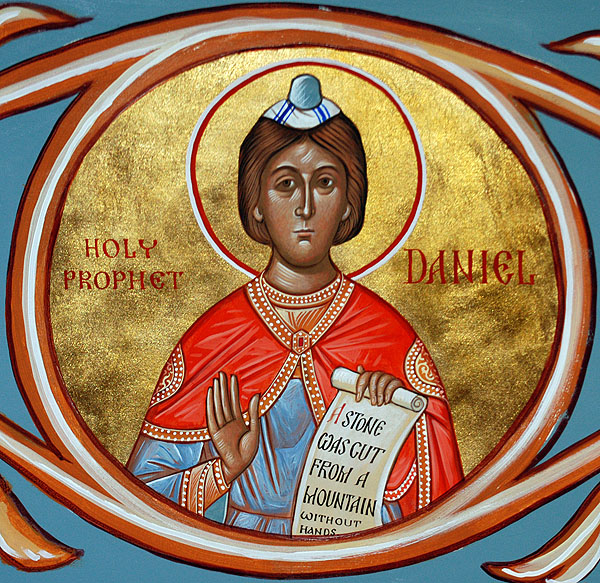
Text: Daniel 7:9-14

A little while back we sang the hymn, “The Church’s One Foundation.” Many people recall it as one of their favorites. We sing it pretty much everywhere: from synod and district conventions, to LWML and circuit gatherings. Often we sing it with gusto and joy. There are, however, a couple stanzas in the hymn that would go well with our Old Testament reading today. Midway through the hymn, its tone changes. Stanza 3 goes, “Though with a scornful wonder the world sees her oppressed, by schisms rent asunder, by heresies distressed, Yet saints their watch are keeping; Their cry goes up, ‘How long?’ And soon the night of weeping shall be the morn of song.” Stanza 4: “Through toil and tribulation and tumult of her war she waits the consummation of peace forevermore Till with the vision glorious Her longing eyes are blest, and the great Church victorious shall be the Church at rest.”

It is that language – of the world seeing the Church oppressed, of her being rent asunder in time by schisms and heresies and then, finally, receiving a blessed rest – that helps understand the words of the Holy Spirit through St. Daniel this week. We receive through the prophet a vision of what is now and what will yet be at the end of time. We live now in the time of the figurative beast, where the devil prowls like a roaring lion seeking to devour the elect of God, His Church. Yet, there remains the time to come where the Son of Man will receive the eternal kingdom from His Father, to which we are joined by faith. Though with a scornful wonder, the world sees the Church oppressed, our Lord will come to put an end to evil, and rule forever.

I.

Our text from Daniel is part what we call Apocalyptic literature. This type of writing is not unique to the Bible, but the Bible does contain some of it. The more familiar book to us is Revelation. Revelation is apocalyptic literature. Apocalypse is a Greek word that means “revealing.” Apocalyptic literature in the Bible means that God is revealing something to us, often something about the future, using figurative or symbolic imagery. It’s that last part that often makes this genre of Scripture a little more difficult to study, and, if we’re not careful, we can delve too far into our own imaginations and lose what it is God is speaking to us. It’s possible to do that even with this text. In order to understand this text, we need to start at the end. The prophet wrote, “I saw in the night visions, and behold, with the clouds of heaven there came one like a son of man, and he came to the Ancient of Days and was presented before Him. And to him was given dominion and glory and a kingdom…His dominion is an everlasting dominion, which shall not pass away, and His kingdom one that shall not be destroyed.” (Daniel 7:13-14 English Standard Version)

We receive from the pen of Daniel what our Lord also described in the Gospel, that, at the End our Lord will return. He will come on the clouds and every eye will see Him, as St. Paul taught us last week. The dead will be raised and all the nations will be gathered before Him. As Daniel said, His court will sit in judgment and the “books [will be] opened.” (v. 10) On the right, the Lord will gather all those whose names are written in the Book of Life. That includes you and me, and everyone whom the Holy Spirit has called to faith in Jesus. By His grace through faith, our names are written in that book. But on the left, the Lord will place those who rejected and despised Him, and their sins will be read against them in judgment. Then will come the end, where Jesus – who is the Son of Man in the text – will receive from the Father the eternal dominion and glory, and we will enter with Christ into the “new heavens and a new earth in which righteousness dwells.” (2 Peter 3:13) This much the Holy Spirit tells us through Daniel. But, we must confess, this is not yet what we see.

II.

In the text we heard, in verse 12, a brief mention of what Daniel called, “the rest of the beasts.” This is because our text is only part of Daniel’s vision. There’s more before it and, actually, its interpretation after – both in chapter 7. The beasts that Daniel saw represented different prominent nations in Bible times, two of which we know. Daniel saw Babylon represented as a lion and Persia (remember King Cyrus returned the Jews to Israel) as a bear. The third beast represented Greece. Daniel mentions that the dominion of these beasts was taken away, but their lives were to continue for a time. There is, however, in chapter 7 a fourth beast; and the fourth is unlike the others. The fourth beast is vicious and violent and will set itself against God and His Church. Later in the chapter, this beast is described by an angel. He says, “He shall speak words against the Most High, and shall wear out the saints of the Most High, and shall think to change the times and the law; and they shall be given into his hand for a time, times, and half a time.” (7:25)

Although, historically, the fourth beast represented Rome – which has come and gone – this aspect of the Roman Empire remains: an intense hostility toward Jesus and those who love Him. The first centuries of the Church were marked by hatred, including physical violence, toward our Lord’s Christians. Christians were looked upon and treated as the refuse of the world. Moreover, the devil worked his way into the Church to instigate fighting and false teaching, things that continue today. It is now our experience, and it may intensify, that we are looked down upon by the world. Even within the Church, there are those who would like to see the Missouri Synod disappear or at least soft-pedal on certain areas of doctrine. In time we may suffer for our faith, but we trust that the Lord will give us strength and words to speak in that hour. As the hymn goes, though, “soon the night of weeping will be the morn of song.”

III.

It’s easy to get lost in the details of apocalyptic literature, such as ours today. There’s one more detail I would like us to consider. Daniel said, “I looked then because of the sound of the great [read: blasphemous] words that the horn was speaking. And as I looked, the beast was killed, and its body destroyed and given over to be burned.” (v. 11) Daniel describes for us the destruction of the devil and of all that is adverse to us. Though, for a time, the devil continues to prowl around and the world continues rage against the Church, those days are short. When our Lord returns, all evil will be put to an end. All of our sufferings, including those which are the result of sin and those we bear for the sake of Christ, will cease. The beast will be killed, Daniel said, its body destroyed with fire never to bother God’s people, us, anymore. Then the kingdom founded by Christ through His death and resurrection, will come in full and sweetest measure.

To Christ our Lord will be given a dominion, glory, and kingdom, that will neither pass away nor be destroyed. To Him will be gathered those from every people, nation, and language on earth who received His Word in faith; and we will be there. In the words of St. John, “The dwelling place of God [will be] with man. He will dwell with them, and they will be His people, and God Himself will be with them as their God. He will wipe away every tear from their eyes, and death shall be no more, neither shall there be mourning, nor crying, nor pain anymore, for the former things have passed away.” (Rev. 21:3-4) This is what Daniel describes for us this week, and what we longingly await. Although the world sees the Church oppressed with a scornful wonder, we know that Christ her Lord will come soon and we shall be the Church at rest.

Not in Calves, but Truth

Text: Exodus 32:1-20

In chapter 4 of St. John’s Gospel we hear the account of our Lord’s conversation with the Samaritan woman. Their conversation ended up being about the identity and true worship of God. The Samaritans, you might remember, were descendents of those left behind after the Northern Kingdom was destroyed by the Assyrians. Those people left behind intermarried with the surrounding nations and adopted many of their religious practices – along with worshipping the God of Israel. The term for this is syncretism, which means, combining elements of different religions. The Samaritans worshipped the true God, but they allowed their worship to include idols, as well.

At one point in the conversation, Jesus said to the woman, “You worship what you do not know; we worship what we know, for salvation is from the Jews. But the hour is coming, and is now here, when the true worshipers will worship the Father in spirit and truth.” (John 4:22-23 English Standard Version). Jesus meant that both the Jews and Samaritans worshipped a God who they did not truly know. But, a time would come where people would worship God as He truly is – through the revelation of Jesus Christ. By faith in Jesus, we worship God in spirit and truth. To this we have been called by God; though, as we’ll see, we often prefer to worship golden calves. Thankfully, the Lord continues to relent from judgement and has mercy on us for the sake of Christ.

I.

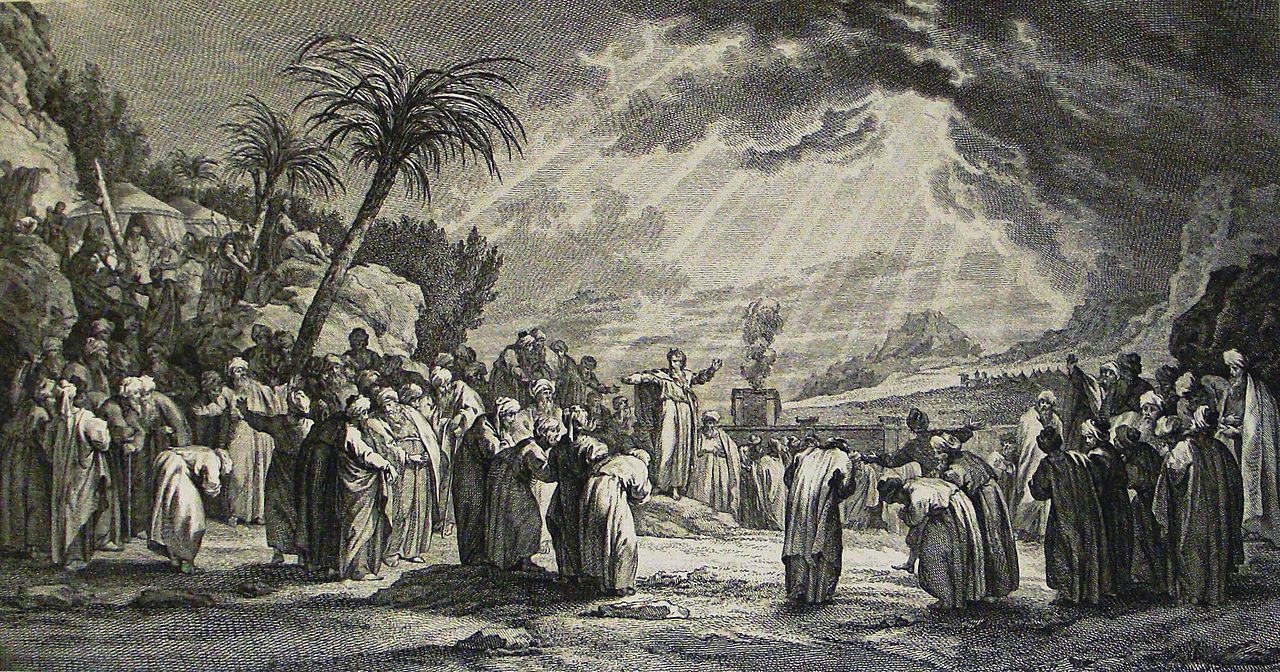
Our text today is a familiar one. Most of us remember it from Sunday School and we cover it Confirmation, too, when we’re learning the Old Testament. With such vivid imagery, it’s hard not to remember; but let’s walk through it again. The children of Israel, before this all went down, had been slaves in Egypt for 400 years. With an outstretched arm and mighty hand, God led them up out of Egypt through the Red Sea on dry ground – just as He had promised Abraham. After leaving the Egyptian army dead on the seashore, God led the people to His holy mountain, Mt. Sinai. There He delivered to them the Ten Commandments. The First Commandment is that they were to have no other gods. They were to make no carved images, no idols to bow down to, whether to serve or worship. After the giving of the Commandments, Moses remained with God on the mountain for 40 days and nights. That’s where things started to go bad.

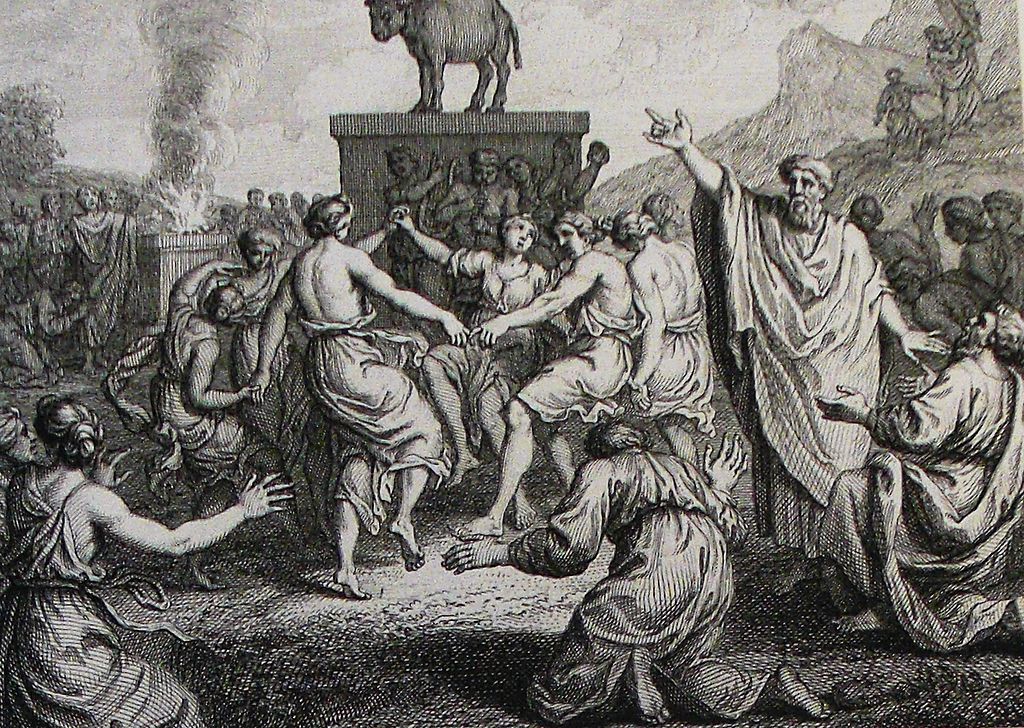
We heard in the text, “When the people saw that Moses delayed to come down from the mountain, the people gathered themselves together to Aaron and said to him, ‘Up, make us gods who shall go before us. As for this Moses, the man who brought us up out of the land of Egypt, we do not know what has become of him.’” (Exodus 32:1) The people assumed, Moses being gone so long, that although the Lord was still with them, they no longer had a visual reminder. Instead of worshipping God as He had been truly revealed to them, they commissioned Aaron to make for them a golden calf – a common idol in the nations around them – and they began to worship that calf in place of the true God. It says, “They rose up early the next day and offered burnt offerings and brought peace offerings. And the people sat down to eat and drink and rose up to play.” (v. 6) The Spirit speaks tenderly here because the word for “play,” really implies that Israel rose up to engage in sexual immorality – the prefered style of idol worship in the Old Testament.

The Lord, of course, saw these things and His anger burned hot. He said to Moses, “I have seen this people, and behold, it is a stiff-necked people. Now therefore let Me alone, that My wrath may burn hot against them and I may consume them, in order that I may make a great nation of you.” (vv. 9-10) Through Moses’ prayer, however, the Lord’s anger was turned away. Our text ends with Moses coming down the mountain. As a sign of judgment against the people, he threw the tablets of God on the ground and they broke. Then he burned the idol, ground it to dust, and made the people drink it. This, certainly, was a visual reminder of God’s Word to Adam, “You are dust, and to dust you shall return.” (Gen. 3:19) The punishment of sin is death.

II.

The problem with the Israelites here is not just that they straight-up worshipped an idol; it’s that they refused to worship God as He had been revealed to them and instead applied His glory to a created thing. We learn in the Catechism that the First Commandment means that we are to fear, love, and trust in God above all things. That is what it truly means to worship God – that we trust in Him and expect all good things from Him. But is that what we always do? I hope that none of us are so lost in sin’s delusion that we would deny the true God, but do we really expect all good things to come from Him? Do we not, rather, trust in other things? We count on the government to protect us from the coronavirus. We’ll know we’re safe when our elected and appointed officials say so. 

When we consider our wellbeing, both while in the workforce and in retirement, we keep a close eye on our bank statements and trust that what they say will allow us to live without worry. Now, we wouldn’t say that the government or money are truly where our good comes from but, in practice, do we turn more quickly to God or to the CDC and the mail? In practice, we often allow both the worship of God and trust in created things to dwell in our hearts. We set up golden calves, just like Israel did. Like them, too, we don’t always worship God using the means He provides. Rather than being devoted to His Word, gladly hearing and receiving it, we are reluctant to study and confess it. We do not truly desire the Lord’s Supper for the treasure that it is, but sometimes receive it out of habit and without thinking.

III.

We heard in the text how Israel’s worship of the calf angered God, and rightly so. A just and righteous God cannot tolerate sin; it would be neither just nor right so to do. Neither does God abide our sin, but pronounces over us the same judgment as Adam, to dust we shall return. In the text, however, God’s anger was averted. Moses reminded God of His mercy. He reminded God of His promise to Abraham, Isaac, and Jacob, to deliver His people and multiply them as the sand on the seashore. God heard Moses’ prayer and, it says, “relented from the disaster that He had spoken of bringing on His people.” (v. 14) In this passage, Moses foreshadows the role that Jesus plays for us.

You see, Jesus stands between us and the Father. When we fall into sin and rightly anger our God, Jesus stands between us and holds up His piercéd hands. He reminds the Father of His mercy toward us sinners, how, rather than punish us for our many transgressions, He sent forth His own Son. Out of love and mercy, Jesus took into Himself all our sin and the Father poured upon Him the wrath we deserved. Now, in heaven, Jesus continues to plead our case. He reminds the Father of His promise to remember our sins no more, to cast them away from us as far as the East is from the West. And so, they are. Just as God remembered His promise and relented from judgement in our text, so He continues to remember His mercy and forgive us, even now.

Jesus said to the Samaritan woman that true worshippers of God will worship in spirit and truth. He meant that, rather than worship God through idols, they would worship Him by the revelation of His face in Jesus Christ Himself. To this worship, we have been called. We worship God in Spirit and truth when we recognize that all good things truly come from God for the sake of Christ. Though we sometimes are given to build our own golden calves through trust in created things, Christ stands as the greater Moses and reminds the Father of His mercy. God grant us, as we near the end of another Church Year, to worship Him in the Spirit and truth of Christ. Amen.

The Eternal Gospel

Text: Revelation 14:6-7

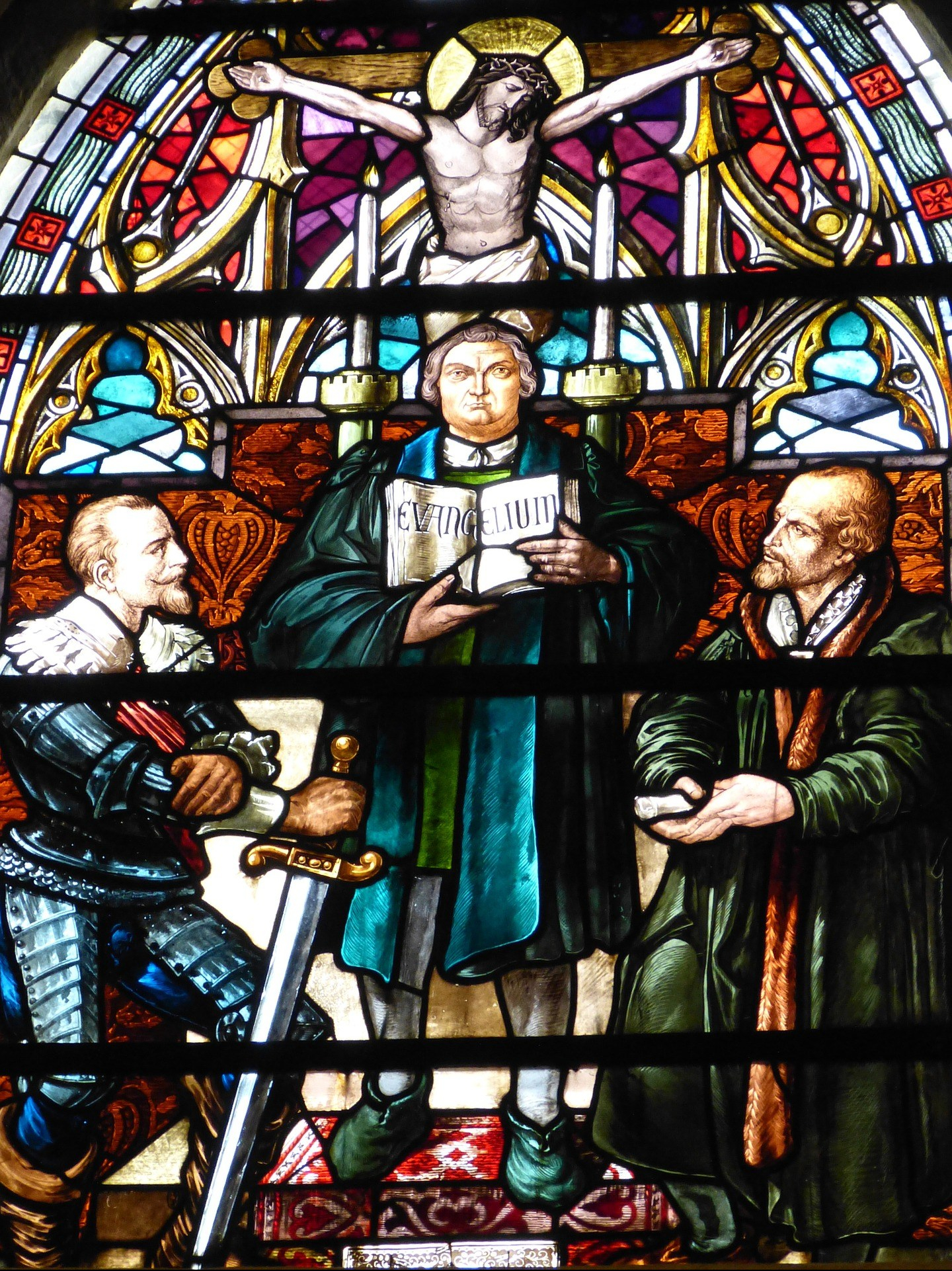
“Our churches teach that people cannot be justified before God by their own strength, merits, or works. People are freely justified for Christ’s sake, through faith, when they believe that they are received into favor and that their sins are forgiven for Christ’s sake. By His death, Christ made satisfaction for our sins. God counts this faith for righteousness in His sight.” (Augsburg Confession, Article IV) These words from the Augsburg Confession, the document that marks us as Lutheran Christians, answers why it is that we exist and why we are here today. For over 500 years we have confessed, as generations of faithful Christians did before us, that we receive the forgiveness of our sins freely, as a gift of God through faith in Christ and not by our works. Luther’s own words: “Nothing of this article can be yielded or surrendered, even though heaven and earth and everything else falls…Upon this article everything that we teach and practice depends.” (Smalcald Articles) In other words, if we lose this teaching, we lose everything – we lose the Church.

Therefore, in our reading from the Revelation an angel was sent to proclaim the eternal Gospel, this teaching, to all the world. In St. John’s Revelation we witness the life of the Church in all the time since our Lord’s death and resurrection, and here we see what happens at the end of time, what is happening even now. Our Lord sent His angel to proclaim His Law and the forgiveness of sins that is by faith in Him. By His grace, we have heard the words of the angel revealed through Scripture. Today we give thanks to God for this: that in the Lutheran Church the Lord has preserved His eternal Gospel of the free forgiveness of sins through faith in Christ.

I.

Our text today is a short one but still helpful for us to hear and learn from. Revelation as a whole is a difficult book and we won’t do it justice with just one sermon; one thing we can grasp, though, is that it isn’t a book that flows in a straight line. Thanks be to God, the Gospel of St. Luke – for example – does do this. However, in Revelation certain events are pictured multiple times in different ways. In chapter 14, by God’s grace, St. John received a vision of what will be at the end of time, when our Lord comes for judgment. It begins with John hearing, “a voice from heaven like the roar of many waters and like the sound of loud thunder. The voice I heard was like the sound of harpists playing on their harps, and they were singing a new song before the throne and before the four living creatures and before the elders.” (Revelation 14:2-3 English Standard Version) The people singing are the people of God in both heaven and earth, rejoicing that now at last the Lord is come to judge evil and gather His people. But then comes our text.

Then I saw another angel flying directly overhead, with an eternal gospel to proclaim to those who dwell on earth, to every nation and tribe and language and people. And he said with a loud voice, ‘Fear God and give Him glory, because the hour of His judgment has come, and worship Him who made heaven and earth, the sea and the springs of water.’” (vv. 6-7) Although our text pictures for us the time when our Lord will come again to put an end to all evil, even then His mercy is strong to save. He sent another angel flying in the sky in sight of the world to proclaim the Gospel of the forgiveness of sins. In this sense gospel is used in a wider sense. It means that the angel pronounced judgement over sin (he preached the Law) and he pointed people to the forgiveness that is found in Christ (he preached the Gospel). Even at the end of time, the Lord’s desire is for all people to be saved and come to the knowledge of the truth.

II.

In the Lutheran Church we understand that the “end times,” are not something ahead of us yet to be experienced; they are now. Ever since Christ’s ascension – since He spoke, “It is finished,” really – we are to be ready, watchful, and waiting for our Lord’s return. We are in the End Times now. We are those to whom the Lord’s angel has proclaimed His eternal Gospel. This proclamation has come to us through the Scriptures. From them we learn what God’s will for our lives is: that we love Him above all things and our neighbor as (if not more than) ourselves. We have these things conveniently written for us in the Commandments, but that convenience has not led to our keeping them. Instead, we have consistently and constantly gone against God’s will, desiring to love ourselves above others and above Him. This, at its core, is what it means to sin. Therefore, the angel and Scriptures proclaim to us, “Fear God,” and we should – for God demands that sin and sinners be punished with death and hell.

The angel’s message doesn’t end there, however; he also says, “give Him glory.” Such are we doing today; for, the witness of Scripture is not just that God declares and punishes sin by His Law but also freely forgives sins for the sake of His own Son. This is the Gospel in the narrow sense. Rather condemn a whole universe, the Father sent His Son Jesus into the flesh. Jesus submitted Himself to the Law for us, obeyed it fully, and suffered its condemnation for us on the cross. In His death, all sin was atoned for; forgiveness was won. By His grace, Jesus gives this forgiveness freely as a gift to all who trust in Him. For this reason, we give Him glory. Rather than hold our sins against us and condemn us to hell, rather than demand good works as restitution for sin, the Father had mercy and sent us His Son. By the Holy Spirit we were called to faith and through faith we receive the free forgiveness of sins.

III.

It is for this reason that the Lutheran Church, and even our congregations exist. We are here because the Lord has gathered a church to hear His Word and teach it purely, to administer His Sacraments in keeping with the same. Here we teach, as the Scriptures plainly speak, that we are saved not by our works – whatever they may be – but freely by God’s good will through faith in Christ. We have received from God the eternal Gospel. It, and we, shall endure through all time – even though heaven and earth pass away. Today we give thanks for this, but we also confess that there are others who have yet to hear and receive this message.

The word angel for us in English has a specific meaning. When we say angel, we mean angel. In Greek, though, the word angel is a title or description of duty. Angel, in Greek, means “messenger.” In a way, it’s now our time to be the angel, to be the Lord’s messengers to the world. To us He gives the call to proclaim His Word in Law and Gospel – that we should fear God’s judgement against sin, but also glorify and praise Him for His glory in forgiving sin. Today we give thanks, again, that for over 500 years the Lord has preserved us in the true teaching of His Word. The Lord grant that, in these dark and latter days, we would be faithful angels of His Word and declare to all the free forgiveness of sins that comes by grace alone, through faith alone, in Christ alone.

The Kingdom is Near

Text: Luke 10:1-9

Today we are celebrating a holiday called the Feast of St. Luke. Often, a feast day is what we would otherwise call a Church Holiday. For example, we can also call Easter the Feast of our Lord’s Resurrection. The Church also sets aside other days throughout the year where we remember and give thanks to God for particular servants who have gone ahead of us in the faith. Usually these feast days mark the day of their death, but in one case we mark a birth – the birth of John the Baptist is celebrated June 24th; feast days also can be celebrated on important days in someone’s life – for example we celebrate the conversion of St. Paul on January 25th. Other days fall into use over the course of time without a specific reason, or the reason is unknown to us now. Such, it is with St. Luke. (You can find these dates, by the way, in the front of our hymnal.)

On October 18th, we remember St. Luke and give thanks to God. We give thanks, first, that St. Luke received God’s grace through faith and – with us – is awaiting the Resurrection of the Dead. We also give thanks for the good witness we receive through St. Luke. We will see today how he devoted his life to the spread of Christ’s Gospel. The color red on the altar also speaks to the fact that Luke was called to suffer for his faith. Today we ask of the Lord that, as He called and strengthened St. Luke for the one purpose of spreading His Gospel, so also would He grant that we be faithful and constant witnesses to the world, proclaiming that His kingdom is near in Christ. 

I.

But, who is St. Luke? Likely, all of us recognize him as the human author of the third Gospel. We might also remember that in addition to the Gospel, St. Luke is also the author of the book of Acts. Whereas the Gospel was more concerned directly with all things that Jesus did and taught, Acts is concerned with the things He did and taught through the Apostles. Combined, they make up nearly a quarter of the New Testament, more than any other single author. Beyond this, there is more we can learn about and from St. Luke. The first mention of St. Luke, chronologically, is in St. Paul’s letter to Philemon, where he wrote, “Epaphras, my fellow prisoner in Christ Jesus, sends greetings to you, and so do Mark, Aristarchus, Demas, and Luke, my fellow workers.” (Philemon 23-24 English Standard Version) St. Paul mentions him in similar fashion to the Colossians, saying, “Epaphras, who is one of you, a servant of Christ Jesus, greets you…Luke the beloved physician greets you.” (Col. 4:12, 14) So far, we know that Luke was a fellow worker with Paul and a physician by trade.

The context of Paul’s letter to the Colossians indicates that Luke was by birth a Gentile. That means that he was not born believing in God nor even part of His chosen people. Tradition dating back to the second century is that Luke was born and raised in Antioch in Syria. What we know from Scripture is that Luke encountered Paul on his second missionary journey when he came through a city called Troas. Luke heard the preaching of Christ through Paul and was brought to faith by the Holy Spirit. It is in that chapter of Acts that many passages change from “they,” to “we.” This shows that from that point on, Luke was an eyewitness of events and experienced them with St. Paul. Luke travelled with Paul as far as Philippi and stayed there for seven years, preaching and teaching. When Paul came through on his way to Jerusalem with the collection for the poor, he picked up Luke. From then on, they were together.

Luke was with St. Paul in Jerusalem when the Jews rioted and tried to kill him. He was there when Paul was taken into custody, first in Jerusalem and then in Caesarea. Luke travelled with Paul to Rome and remained with him there. Although Acts ends with Paul being released, later on Paul was imprisoned in Rome a second (and last time). St. Paul bore witness in our Epistle today that, at that last imprisonment, “Demas, in love with this present world, has deserted me and gone to Thessalonica. Crescens has gone to Galatia, Titus to Dalmatia. Luke alone is with me.” (2 Tim. 4:10-11) Though Luke was not himself an eyewitness of Christ, in his travels he was able to interview many who were, likely including the rest of the Apostles in Jerusalem. It is his closeness with St. Paul that grants his Gospel its apostolic character. When Paul at times mentions his Gospel, it’s possible he was talking about the writing of Luke.

After St. Paul’s martyrdom we lose track of St. Luke. Early tradition of the Church is that Luke went to Greece and remained there until the end of his life. Most witnesses say that he preached and taught until he was 84 and then died; some say that he himself was martyred. He was buried in a city called Thebes. His bones still exist and are housed there at a church in Thebes, and a few other places. Today, we remember St. Luke and give thanks to God that, by His grace, Luke was called to faith in Christ. We are thankful that, through St. Luke, the Lord sent to us and all the world the saving Word of the Gospel.

II.

We celebrate feast days not just to give thanks to God but also so that we might learn from the example of those who have gone ahead of us in the faith. But, what can we learn from the example of St. Luke? We heard in the Gospel how our Lord sent out the seventy-two. St. Luke tells us that the Lord sent them, “ahead of Him, two by two, into every town and place where He Himself was about to go.” (Luke 10:1) The instructions He gave them might sound odd and laborious to us – they weren’t supposed to carry any money, bags, no extra shoes. They were to stay where people would have them and eat what was put before them. These things testified to the seriousness and urgency of their call, to proclaim in each house and town, “The kingdom of God has come near to you.” (v. 7)

In a way, St. Luke was one to hear that call. The Holy Spirit called him to faith through the preaching of St. Paul and, from that moment, he dedicated his life to spreading the Good News that, in Christ, death is defeated and sins are forgiven. He worked tirelessly to gather reports from eyewitnesses of Christ so that we can have an orderly and factual account of things that Jesus said and did. He remained a faithful companion to St. Paul, even through the toughest times and after all others had left him. All told, he devoted everything for more than a half-century to this single purpose: that you and me might know the love of Christ and, in Him, have life and light.

Our prayer to God this day, on the Feast of St. Luke, should be that we, also, would receive the call of Christ with the same seriousness and urgency. As we know, our times are not so different from St. Luke’s. We also live in a time where the world is filled with sinful behaviors and unbelief, but also with those who are burdened with sorrow and sadness. Christ came so that those burdens might be made light through faith, so that the whole world – including those in our own cities – might receive the forgiveness of sins through faith. But, how are they to believe unless they hear, and how are they to hear unless we speak? The Lord grant us a steadfast faith and willingness, like St. Luke, to dedicate our lives and talents to the single purpose of proclaiming His Good News to this world.

He is Your God

Text: Deuteronomy 10:12-21

In the First Article of the Creed, we gladly confess that God, our God, is the maker of heaven and earth. In six days He created all that exists in heaven, on earth, and under the earth – as Scripture sometimes speaks. Everything exists because He made it. We exist because He made us. Our God, however, was not content to let His glory rest in just making things; He continues to preserve them and provide for them. We heard from our Lord a few weeks back that He provides for the birds of the air who, “neither sow nor reap nor gather in barns.” (Matthew 6:26 English Standard Version) He clothes the lilies of the field in greater array than King Solomon in full adornment. We confess in the Catechism that He also provides us with, “clothing and shoes, food and drink, house and home, wife and children, land, animals, and all I have.” This is the meaning of the First Article of the Creed: our God made and does provide for everything, even us, out of love.

The meaning of the First Commandment is connected to this; it’s basically what St. Moses was preaching on in our text today. The Book of Deuteronomy finds the children of Israel at the entrance of the Promised Land, with Moses recounting for them all the events leading up to it. At the end of the book, Moses dies. Led by Joshua, they go in. Moses’ sermon today reminded the children how it is that they got to the Promised Land – God brought them. In love, He chose them out of the whole world to be His people. He provided for them every day of their lives; He moved heaven and earth to care for them, because that was easy for Him. Therefore, Moses said, they should remember the First Commandment and look to God for every need. Since they knew that God provided for everything they needed, they could be confident in their care for others. So can we.

I.

Like we said, in Deuteronomy the children of Israel are at the entrance of the Promised Land. As we well know, they had been there before and refused to enter. They did not trust God’s promise or the good reports of Joshua and Caleb, who had spied out the land. God disciplined them in the wandering and, of the adults who left Egypt, only Joshua and Caleb did enter the Promised Land. In our text, Moses is speaking to the children – to those who left Egypt at a young age and those who were born on the way. These were they who had experienced God’s provision directly: the manna, the quail, the water from the rock. On Thanksgiving, we’ll hear how their clothing did not ever wear out and their feet never swelled from walking in all those 40 years. (Deuteronomy 8) God provided for them – as a group and individually – all that time.

Moses said, “To the LORD your God belong heaven and the heaven of heavens, the earth with all that is in it. Yet the LORD set His heart in love on your fathers and chose their offspring after them, you above all peoples, as you are this day.” (Deut. 10:14-15) In other words, everything belongs to God. He is the creator of all that exists and nothing is impossible to Him. And yet, He chose the children of Israel out of the whole world to be His children. It’s not because they were great, or mighty in number, or especially righteous – but only out of His own love. God chose them in love. He led them, provided for them; He brought them out of slavery.

II.

So, also, has the “God of Gods and Lord of Lords,” chosen us. (v. 17) It’s not because we are especially strong or mighty, nor because we are great in number or especially righteous that God has chosen us. Rather, in love God chose you and me out of the whole world to be His child and heir. Through His holy prophets and apostles, He sent His Word to us and by the Holy Spirit brought us to faith. In Baptism, Christ clothed us in His own righteousness and endowed us with the eternal life He purchased by His perfect life and sacrificial death. In love, God gathered us together in this place so that a Christian congregation might be formed to preach His Word purely and to administer His Sacraments in keeping with His Word. Though we might appear small in the eyes of the world, God’s pure Word and Sacrament are a more precious treasure and beautiful decoration than there could ever be otherwise.

As if all these things weren’t enough, God has provided for us in our daily lives up to this very moment. It is true that God’s wisdom is at times different than ours, but we must confess at this moment that we are alive. We have been fed, we are clothed, we have a roof over our head, we have some money. Our God has not once left us stranded or without aid – even those times we couldn’t yet see it. As the seasons change, He will see that our buildings are warm or that we have warm clothing to wear. As He has so far, He will continue to defend us from illness. Or, if it should be His will that we should suffer, He will heal us either in this life or the next. All these things, both spiritual and bodily, our God provides us out of His own love and mercy. If we would be mindful of these things, we could live without a care in the world – which is what God intends for us in the First Commandment.

But alas, we are not always mindful of these things. We are more quick to criticize the Lord for our lack than to bless Him for all we do have. Even when we are enjoying what the Lord has given us, our eyes are quick to notice and covet our neighbor’s abundance. When our Lord allows disaster to befall us, we first grow anxious and don’t think to pray. These same sinful things, the children of Israel did. Therefore, Moses said to them, “Circumcise…the foreskin of your heart, and be no longer stubborn. For the Lord your God is God of Gods and Lord of lords, the great, the mighty, and the awesome God, who is not partial and takes no bribe.” (vv. 16-17) In other words, God has got your back. In love, He has brought you this far. He always will provide everything you truly need: His Son Jesus for your soul, and He provides for all your bodily needs, too.

III.

Moses reminds the people of these things so that they might remember that they, also, can be generous. If we fear, love, and trust in God above all things, that means that we can also live free and generous lives in the Gospel. Since we know that God provides for us, we are free to provide for others. Ours is a God who watches over the fatherless, the widow, and the sojourner. Some of these are present in our lives, some not; but there are also others in our lives whom we are privileged to serve. King David said, “The wicked borrows but does not pay back, but the righteous is generous and gives; for those blessed by the LORD shall inherit the land, but those cursed by Him shall be cut off.” (Ps. 37:21-22) Since we are freely blessed by God, we are free to be a blessing to others.

This was St. Moses’ sermon to the people. Out of love God chose them out of all the earth. He provided them with forgiveness again and again, and He supported them in all their bodily needs. The First Commandment teaches us to expect and know these things come from God. Therefore, being freed from all worry about where our provision will come from, we can joyfully care for others. It says in Hebrews, “Do not neglect to show hospitality to strangers, for thereby some have entertained angels unawares.” (13:2) God grant the same be said of us.

Better to Be Humble

Text: Proverbs 25:6-14

St. Paul wrote to the Ephesians, “I therefore, a prisoner for the Lord, urge you to walk in a manner worthy of the calling to which you have been called, with all humility and gentleness.” (Ephesians 4:1-2 English Standard Version) Our Lord said in the Gospel, “Everyone who exalts himself will be humbled, and he who humbles himself will be exalted.” (Luke 14:11) In a way, both of these sayings may be sermons on the words of the Holy Spirit through Solomon in the Old Testament text, “Do not put yourself forward in the king’s presence or stand in the place of the great, for it is better to be told, ‘Come up here,’ than to be put lower in the presence of a noble.” (Proverbs 25:6-7) If there’s one word that should appear ahead of all others in our minds this week it’s this: humility.

The Holy Spirit directs us in all three readings to the humility that befits us as Christians. Mindful of the humility of Christ – how He submitted Himself to take our form and to suffer death on the cross for us – we should, in turn, count others as greater than ourselves. The encouragement toward humility this week doesn’t just concern how we relate to other people, however, but also how we relate to our God. We should be aware of our many sins and not be so quick to stand before God on our own two legs. Still, because we often fail at humility in both these areas, Jesus thought less of Himself for us.

I.

The book of Proverbs is not a particularly easy book to understand or preach on. To us, much of it seems like unconnected and disjointed sayings. There are glimmers of clarity. Confirmation verses are often chosen from this book, but beyond those verses we don’t always “get it.” The book itself has contributions from multiple human authors – each writing by the inspiration of the Spirit – but the bulk comes from the pen of King Solomon. Solomon, as you remember, was blessed by God with wisdom beyond all other humans both living and departed. He writes in Proverbs about this wisdom. This wisdom is not purely human wisdom, but the wisdom of God formed through faith in Christ. Faith is the starting point in our text today. Though it seems to be only about how to behave in front of people more powerful than you, Solomon and St. Paul (and our Lord) are all of the same mind.

Solomon wrote, “Do not put yourself forward in the king’s presence or stand in the place of the great, for it is better to be told, ‘Come up here,’ than to be put lower in the presence of a noble.” It’s hard to say more on that than what our Lord said. When in the presence of those higher in station than yourself, Solomon would say, don’t be so quick in assuming your own worthiness. Instead, act humbly. Place others above yourself in your own mind, says Solomon. It’s better to afterward be raised up, than to be lowered in the sight of others. Better to be humble than to be humbled. Even though Solomon writes about being in the presence of kings, we can take this idea to all our interactions with other people. The wisdom we receive through faith in Christ should lead us to live in humility before all people.

II.

The reality, though, is that we don’t always behave in such God-pleasing ways. Through the Fall into Sin, we were all born with an innate lack of humility. This is the reason why we all need to be taught humility. Instead, too often, the Old Adam within us asserts himself and we place ourselves – in mind and action – above our neighbor. By nature, we are wired to place more value on our own well-being and desires than those of others. Even in this last week, we have behaved this way. There were opportunities for us to help and be our service to our neighbor in Christ that we squandered. Perhaps we felt it would’ve taken more time, more effort, than we were willing to give. Maybe we thought that, even if we didn’t help, someone else would. On the other hand, there were times this week where others served us and we were well-pleased by it. 

Not only are we hardwired through the Fall to think more highly of ourselves than our neighbors, we also have a skewed idea of our standing before God. St. Paul wrote to the Corinthians, “let anyone who thinks that he stands take heed lest he fall.” (1 Cor. 10:12) He said this right after recalling for them how many of Israel were disciplined by the Lord for their lack of faith. They had a skewed sense of their standing before God and, as a result, some were bitten by serpents and others were struck by plague. We, also, have presented ourselves before God with a lack of humility. We freely confess most of our sins, but there are those sins for which we are not sorry. We have been so corrupted by the Fall that we often think to act before God as if we were anything other than poor, miserable, wretched sinners. In short, although King Solomon, St. Paul, and the Lord all encourage us toward humility, we have not always so behaved either before others or, even, before God.

III.

Therefore, St. Paul says, “Have this mind among yourselves, which is yours in Christ Jesus, who, though He was in the form of God, did not count equality with God a thing to be grasped, but emptied Himself, by taking the form of a servant, being born in the likeness of men. And being found in human form, He humbled Himself by becoming obedient to the point of death, even death on a cross.” (Philippians 2:6-8) St. Paul pictures our Lord to us as a humble servant. Though He is the author of life and creator of all things, worthy above all to be served, He chose rather to serve. He stepped down from His throne and was born and raised, just as we were. He suffered all the same things we endure; He resisted all the same temptations so that He might serve us this way: by dying for the sins of all on the cross.

He did not count His equality with the Father as something to be doted upon, but in humility thought of us more than Himself. Though He would have every right to humble us with the condemnation of hell, He chose to be humbled Himself so that we, by faith in Him, might be raised up from death. Through our Baptism, by the Word of God, we have received the Holy Spirit who created faith in us. By this faith, we receive the fruit of Christ’s humiliation for us – the forgiveness of our sins and eternal life. The same Holy Spirit now leads us, in turn, to count others more highly than ourselves. 

This is a challenge because, as we said, the Old Adam continues to rage within us and inflames us to a lack of humility. Let us hear the lessons this week, though, and confess that it is better to be humble than to be humbled. God grant us His Holy Spirit that, mindful of the humility of Christ, we also would behave humbly toward our God and neighbor. The Lord grant us humility this week in all that we say, think, and do.

Life through Death

Text: 1 Kings 17:17-24

When you are “at the end of your rope,” they say, you have run out of options. To be at the end of your rope means you have exhausted all your chances and your possibilities, and you are now resigned to suffer whatever it may be that is coming your way. We might say that the widow of Zarephath was there last week. When she encountered the prophet Elijah, she was gathering sticks so that she could make one last meal for her and her son, and then they would die. Elijah promised from the Lord, “The jar of flour shall not be spent, and the jug of oil shall not be empty, until the day that the Lord sends rain upon the earth.” (1 Kings 17:14 English Standard Version). The Lord kept His promise and the three of them ate for many days. It had seemed like the widow was at the end of her rope, but she really wasn’t. The Lord had a way out.

Our text today continues the story of this widow, her son, and Elijah and presents us with another such situation. This time, her son dies. She concluded that now this really was the end, the punishment of her sin brought upon her by housing the prophet. Again, though, the Lord had a way out. The same Lord who creates life is able, also, to bring life back from the grave. The Lord heard the prayer of Elijah and restored life to that young man. Today we confess that, though the rope of our lives will also end in death, yet through Christ we will be led out of the grave to eternal life.

I.

The Holy Spirit tells us in 1 Kings 17, that “she and he and her household ate for many days. The jar of flour was not spent, neither did the jug of oil become empty, according to the word of the Lord that He spoke by Elijah.” (vv. 15-17) The reason why this is a big deal is that the Lord had raised a drought over the Northern Kingdom as punishment for their unfaithfulness. This drought lasted three years. As the Lord usually does, He brings down the proud but raises the humble. He sent Elijah to the widow and they were preserved from danger, Elijah living in a separate portion on the roof of her house. In the course of time, however, the son of the widow grew ill. It says, “his illness was so severe that there was no breath left in him.” In other words, he died.

In response, the widow concluded that she was back at the end of her rope. By housing Elijah, she felt that the Lord’s gaze had more directly fallen on her. He observed her sin and was now punishing her. In Bible times, widows were often of little means and had to rely on others – particularly sons – for provision. Without a son, she would surely die. Her conclusion was incorrect, however. In the Gospel there are two occasions that speak to this. Before Jesus healed the man born blind, the disciples asked Him whose sin had caused his blindness – his or his parents’. Jesus said, “It was not that this man sinned, or his parents, but that the works of God might be displayed in him.” (John 9:3) Also, with Lazarus – whom Jesus raised from the dead – He said, “This illness does not lead to death. It is for the glory of God, so that the Son of God may be glorified through it.” (Jn. 11:4) The death of this widow’s son was not to punish her, but so that God’s glory might be revealed.

Elijah took the young man up to his chambers, it says. He laid him down on his bed and prayed, “O Lord my God, let this child’s life come into him again.” (v. 21) The Lord heard his prayer and returned the boy to life. This is the first time a resurrection happens in the Bible. The boy being raised, Elijah returned him to his mother. This was her new conclusion, “Now I know that you are a man of God, and that the word of the Lord in your mouth is truth.” (v. 24) She now understood and believed that the God of Israel is the true God and His Word through Elijah is true – He who is able to bring life even out of death.

II.

In Confirmation class we’re working through the First Commandment, which teaches us to fear, love, and trust in God above all things. We are to do this recognizing that all good things come from our Father’s loving hand. Out of love, He has provided for us every day of our lives – the present, included. Just as He was with the widow through the days of drought, He remains with us through the difficult times of our lives and He brings us through them – one way, or another. There have been many times where we have found ourselves at the end of our rope, and the Lord has provided a way of escape previously unknown to us. It says in the Psalms that the afflictions of the righteous are many, but the Lord delivers them from them all. (Ps. 34)

We must confess, however, that although the widow’s conclusion was incorrect – she thought God was punishing her sin by the death of her son – this conclusion is correct: someday you and I will die. We will die because we are sinners. Death is the wages we have earned and should expect for our many sins. God told our parents this would happen; and so, it does. Because we have been born of the sinful seed of Adam and Eve and have ourselves continually given into the lusts and desires of the Old Adam within us, even having heard the Word of God, we will receive the punishment and we will die (pending our Lord’s return). However, death is not the end of our rope.

III.

It would be a sad story, that one, to end a sermon with the fact that we are all going to die. But, as we heard in two of our readings this week, death cannot outdo the power of God. The same God who created all life out of nothing is not stopped by death; He does not reach the end of His rope there. Instead, He calls life back from death. Through the work of the Triune God, the widow’s son was restored in Zarephath and through the Word of Christ, the young man was raised in Nain – himself a widow’s son. In that case, what had been a funeral procession became a march of life. But, as great as these two were, they also pointed ahead to a greater resurrection: our Lord’s.

Both we and those young men in the lessons encounter death through our fall into sin. Death is a consequence of sin. If one were without sin, he need not face the consequence of sin. Yet, that’s exactly what Jesus chose to do. He had compassion on us and did not choose the easy part. He entered this fallen creation to take in Himself the guilt of our continual sinning. In His death, Jesus suffered the consequence of our sin and the wrath of God which we have deserved, He bore in full. By His resurrection, the Father shows that Jesus’ sacrifice for us is complete and acceptable to Him. By raising Jesus from the dead, the Father kept the promise He made through David: that He will not let His Holy One see corruption. And, through Him, neither shall we.

When Jesus rose from the dead, it wasn’t only for His good; it was for us. By faith in Him, Jesus’ resurrection becomes our resurrection. By our Baptism into Him, we were buried to sin and raised to new life. Just as He was raised by the glory of the Father, so shall we be. Sometimes, we do find ourselves at the end of our rope. The present situation with the coronavirus has, at times, set our own mortality before our eyes. We have been nervous, anxious, depressed. We learn this week, though, that the Lord has ways of extending our ropes. In this case, our lives. Though, because of sin we will die yet, in Christ, we will live. 

Coaching the Word of Life

Text: Deuteronomy 6:4-15

In John 6, the day after the feeding of the 5,000, Jesus taught the people the meaning of that miracle. He had not come down from heaven to give them only bread for their stomachs, but the true bread for their souls. The bread that Jesus would give for the life of the world would be His own flesh. Jesus said, “Truly, truly, I say to you, unless you eat the flesh of the Son of man and drink His blood, you have no life in you. Whoever feeds on My flesh and drinks My blood has eternal life, and I will raise him up on the last day.” (John 6:53-54, English Standard Version) He means, unless you believe in Him, in His work of salvation and the promise of His Word, you cannot enter eternal life. Sadly, the people did not receive this teaching; they would not trust that faith in Jesus is the only source of salvation. St. John wrote that, after this, “many of His disciples turned back and no longer walked with Him.” (v. 66)

Jesus turned to the Twelve and asked them if they, too, would like to stop following Him. St. Peter spoke for the group in the words we well know, “Lord, to whom shall we go? You have the words of eternal life.” (v. 68) The Twelve confessed that Jesus’ Words are the words which grant eternal life. They are the truth and by them the Holy Spirit works faith in those who hear. Faith is what receives the forgiveness of sins. Bearing this in mind, we confess from the Old Testament reading that since the Lord has saved us from sin through His Word, we teach it to our children so that they may be saved, too.

I.

The context of our reading from Deuteronomy is Israel’s preparations to enter the Promised Land. They had been at the entrance before, 40 years prior. But, when they doubted God’s Word and refused to enter, He disciplined them with 40 years of wandering. Even then, throughout the Wandering, He provided and cared for them. In our reading, they are at the end of their discipline and Moses is preparing them with one final sermon. He reminded the people how the Lord, “brought you out of the land of Egypt, out of the house of slavery.” (Deut. 6:12) The Lord was remembering His promise, the oath He swore to Abraham, Isaac, and Jacob, that He would bring the children into their own land – where they could live and worship without fear. They could live in faithful fellowship with God and each other. In short, Moses’ sermon reflected on the Lord’s salvation for His people and encouraged them to remember His mercy and teach it to their children.

Throughout Scripture, the exodus from Egypt into the Promised Land is used as an illustration for how we have been saved from sin. Once we were lost in sin, slaves in the Egypt of sin. All our thoughts, words, and actions were tainted by it, and we earned by them an eternal separation from God and damnation in hell. We were slaves in the Egypt of sin until our Lord called us out of darkness into His marvellous light. He stepped down from His eternal throne to take hold of us. He became one with our flesh and blood, yet remained without sin. He fulfilled the Law of God and then bore the punishment of our sin in His death on the cross. After His resurrection, He commissioned the Apostles to preach His Word to the whole creation. By the inspiration of the Spirit, they set Jesus’ Word to writing, which is how it has come to us. Through the Word, Jesus reached out to us and claimed us for His kingdom. Through the Word, He brought us to faith and made us no longer slaves to sin, but slaves to righteousness and heirs of eternal life. We may not have been physically brought out of Egypt, as the people in our text, but Moses’ wise words might also be directed to us.

II.

He said, “O Israel: The Lord our God, the Lord is one. You shall love the Lord your God with all your heart and with all your soul and with all your might. And these words that I command you today shall be on your heart. You shall teach them diligently to your children.” (vv. 4-7) Through Moses, it is really the Lord our God speaking to His people. He reminded them not to forget Him when they came into a land full of cities they didn’t build and houses they didn’t fill and wells they didn’t dig and vineyards they didn’t plant. Instead, they were to love Him with their heart, soul, and might. And, so that their children might do the same and live long in the land the Lord was giving them, the Lord commanded His people – particularly, parents – to teach these things to their children.

The Word that the Holy Spirit uses implies a constant, continual teaching; “coaching,” might also give us a good sense. The Lord commanded His people to coach their children in His Word. They were not to teach it once and call it good, nor were they to confine their teaching to a few short years and count the children as responsible for themselves. No, they were to speak of His Word together while they were at home, when they were away in the course of life, when they went to bed and when they woke up again. “You shall bind them as a sign on your hand, and they shall be frontlets between your eyes,” God said. (v. 8) In other words, God commands that parents teach their children His Word by setting it before them in all things, all times and situations, in conversation and by behavior.

It is in this spirit, then, that we are beginning our Sunday school and Confirmation instruction again. In decades past our fathers in the faith in Fairbank and Jesup were drawn together by the Holy Spirit through the Word to see that Christian worship services were held, that encouragement in the Word was given and received, and that their children were taught the mighty acts of God. This last part was not viewed as optional, but as a serious and vital task entrusted to parents and to the congregation, corporately and individually. Therefore, in thanksgiving to God and mindful of His mercy, we hear His command that our children be taught and we trust that He will bless. But, why does the Lord so solemnly command this?

III.

St. Peter answers for us, again, in the second reading. He said, “The promise is for you and for your children.” (Acts 2:39) He means that the promise of forgiveness is not just for you and me, us adults, but for all people – our children, included. It was for them, too, that Jesus took on flesh. It was for their sins, too, that Jesus died. It was so that they, too, might live eternally that Jesus rose again. These things, He gives to them, too, freely through faith. We also know this passage, “Faith comes from hearing, and hearing through the Word of Christ.” (Rom. 10:17) It is through the Word that the Lord saved us, and it is how He saves our children.

In their Baptism, Jesus united them to Himself through the washing of the water and the Word. He gave them His Holy Spirit and created in them clean hearts through faith. Through the Scriptures, He comforts them and strengthens their faith when they continually hear all that He has done and even now does for them. As they grow and become adults and parents themselves, it is through the Word alone they will be kept as heirs with us of eternal life. We have the privilege, the honor, and yes, the duty, to teach them these things now. The Lord bless our work. May He grant that we would be mindful of the mercy we have received in Christ, how we have been saved from the Egypt of Sin. The Holy Spirit strengthen our faith, so that by word and deed we would be faithful witnesses to our children. And finally, the Lord bless our children in their instruction this year. Amen.