Seventeenth Sunday after Trinity Luke 14:1-11

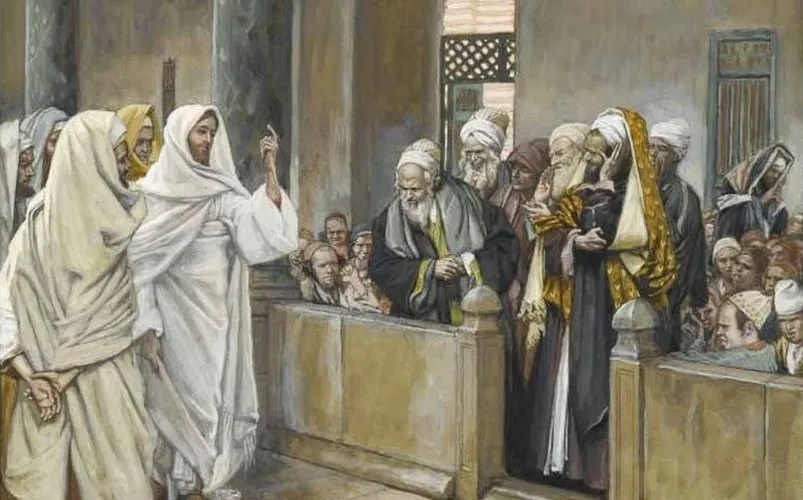
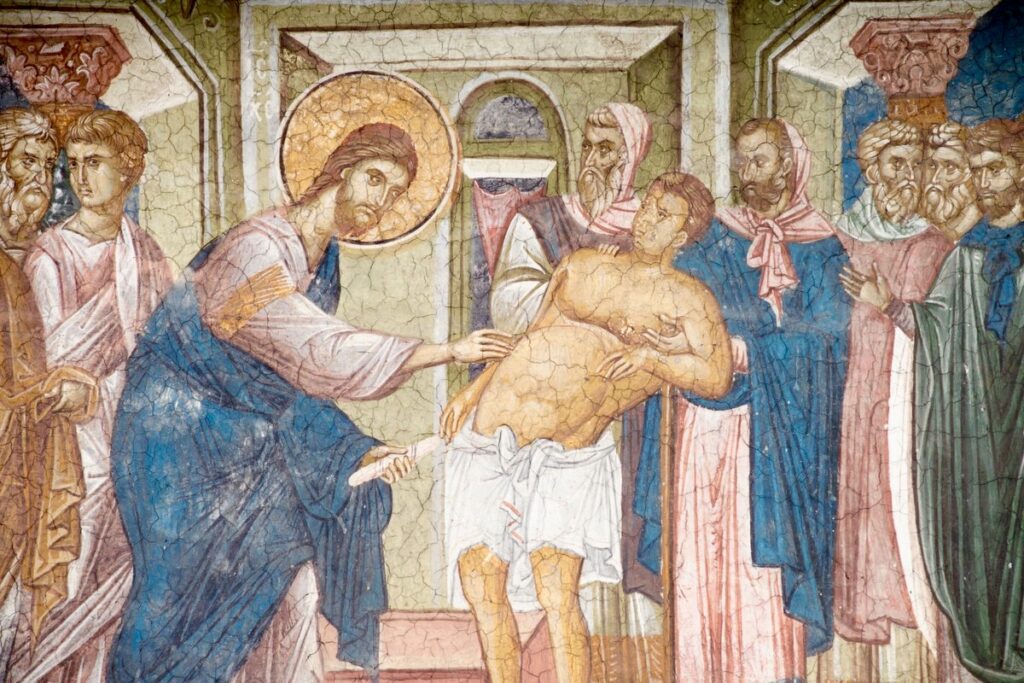
When Christ asked the Pharisees whether it was lawful to heal on the Sabbath, he was really asking whether they knew the purpose of this day of rest. And in the end, he is asking them if they know God’s salvation in the first place. And to this, they have no reply. For the Pharisees, the Lord’s salvation is severely misunderstood. In their eyes, the Old Testament laws of the sabbath should be kept by the letter in order to be a good Israelite and to be saved. In our Lord’s questioning, Jesus shows them the frailty of their interpretation as he asks them, “Which of you, having a son or an ox that has fallen into a well on a sabbath day, will not immediately pull him out?” Here, Jesus shows the absurdity of their belief. For who would not put more value on saving a life in danger than a day of rest?

By healing this man from dropsy, the Lord teaches us that the sabbath day was created by God from the very beginning for the purpose of mankind. It was meant for hearing God’s word and for serving our neighbor. For one cannot be saved by strictly obeying the law, yet it also instructs us how to live our lives before God, and to our neighbor. As Jesus sums up the entire law in these two words: to love the Lord your God with all your heart, mind, and soul, and to love your neighbor as yourself. If Jesus had turned the man away, he would have used the Ten Commandments against their purpose, and therefore neither would have shown love to this man nor to his father in heaven. The Lord instructed the Pharisees that the true meaning of the day of rest is to put aside our work for God and for neighbor. 

It is for this reason that Christians should not neglect the third commandment, “You shall remember the Sabbath day by keeping it holy.” We do not intend it as the Pharisees do, believing that by not lifting a finger on one day of the week, we will keep God’s word. Instead, Christians keep the third commandment whenever they hear the word of God. As Luther explains this commandment in his small catechism, “We should fear and love God so that we do not despise preaching and his word, but hold it sacred and gladly hear and learn it.” This is not a commandment that only affects us on Sunday, but in every day of our lives. For we find our day of rest whenever we hear the word of God. When we pray before meals, saying “Come, Lord Jesus, be our guest…” When we wipe the dust off our catechisms to find comfort in those words we used to know so well. Either before we start our day or before we close our eyes to open our Portals of Prayer, to hear the words of Christ crucified for us. These are all times we keep the third commandment, not in order to be saved. Instead, because God desires us to find rest in his word. 

Of course, there is Sunday morning Divine Service. This is where we, the people of God, find rest in the word of God as the community of the baptized. In this unique way, God comes to us all in the absolution pronounced by the ordained minister of the word, in the corporate reading of the scriptures, in the preaching of the word of God in the sermon, in the prayers as we commit our cares to the Lord. And finally, in the Lord’s supper. For holy communion is the very word of God, the body and blood of Christ, in bread and wine for your forgiveness, to restore you to the Father, and give you rest. It is in the Sunday service that you are drawn away from the worries of this world, which leave you anxious and dreadful for the next day. Your worries assail you, for the purpose of taking you away from the promises of God. For in the house of God, there is no poor or rich, as we are all poor sinners seeking the mercy of God. Here, there is no one who has better health than the other, for we are all infected and tormented by sin as we all come from the one Adam. And no matter how great your sin may be or how far it has led you astray from God, Christ Jesus is here to give you rest. If it’s your first time in church in a while, or you were here last week. God rest is for our good for all those who put their trust in him. 

This miracle also teaches us that the sabbath is for our neighbor. For we hear the word of God and allow teachings to conform our lives, we find that keeping the third commandment brings us to the latter six. How we are to love and serve our neighbor. Just as Jesus loved this man and had compassion on him, the man was healed of his disease. The word of God teaches us to have compassion and mercy for those in need. The faith that is given to us by the Holy Spirit is not simply knowledge, beliefs, and principles that we know about God. Yet, when it is given to us, it is meant to be lived out, to conform us to his will, and make us more like Christ. So when we love our neighbor as ourselves, put the needs of others before our own, or act with mercy and compassion, we do not do this in order to be saved. We do this because we are given the gift of faith, sealed by the Holy Spirit, and saved through Christ. And when we do these things, it is Christ in us who does them. For apart from him, we cannot. 

And if you feel that your mercy and compassion may be lacking, let me assure you that it is not. As they do not come from yourself, but they come from Christ Jesus. Rely on him and his word, and he will give you rest. 

It is by the power of his cross and his suffering and death that our Lord Jesus Christ comes to give Sabbath rest. For he has first looked upon all humanity with mercy and compassion. And as he sees our human race lost and restless because of our sin, he takes sin upon himself and dies on the cross and rests in the Earth for three days. And as believers in Christ, we will inherit his eternal Sabbath in the kingdom of Heaven, where there will be no worry or anxiety or fear. And he comes to you even now as he says, “Come to me, all you who are heavy laden, and I will give you rest.” So let us come to him in this sacrament, and we will find rest for our souls. 

Sixteenth Sunday after Trinity Luke 7:11-17

Seen in last Sunday’s gospel reading, with Jesus preaching that we should not be anxious about our lives. That we should look to the birds of the air and the lilies of the field, and God provided for them, so how much more will he provide for us? For Jesus says, “Seek the kingdom and all will be added unto you.” And now we come to the widow of Nain. This woman has lost her husband and is now burying her only son. It appears all the Lord has provided her is now gone. What a stark contrast! Yet trials in this life are not given to us to burden us, but to strengthen us in the Faith of our good and gracious heavenly Father who has restored us to new life. 

This woman is a member of a long procession of faithful people of God who have been given burdens and trials in this world by the Lord. It is true that the Lord tests his people. These trials are not to draw them away from God, but to draw them closer to him. To rely on him all the more.  That Saint Peter would go as far as to say in his first epistle to the church, “You have been grieved by various trials,that the genuineness of your faith, being much more precious than gold that perishes, though it is tested by fire, may be found to the praise, honor, and glory at the revelation of Jesus Christ,” As as seen in the Saints of old, were called to put their trust in the Lord in difficult times and their faith is truly refined.

First, of course, there is God’s servant Job. The story of Job is one of testing and faithfulness. The Lord allows all his goods, his property, and even his children to be taken away from him. And still Job says, “The Lord has given, and the Lord has taken away, blessed be the name of the Lord.” And Satan struck him with many sores, and yet the Bible says, “In all this job did not sin with his lips.” Even as his companions tried to comfort him by saying that he must have some fault that he is unaware of, something that he has not completed, a secret sin, or grievance with God yet to be settled. Throughout the entire book, Job insists that he has done nothing wrong, and yet God remains good, faithful, and just in what the Lord is doing. For the servant of the Lord, even says, “For I know that my Redeemer lives, and at the last he will stand upon the Earth. And after my skin has been destroyed, yet in my flesh. I shall see God.” The Lord allowed him to be tested, and he never lost hope that he would be vindicated by his good and gracious God. 

Then we come to the widow of Zarephath, the same woman who receives the miracle of the flour and oil that would not run out. Now her son, whom the prophet Elijah saved from starvation, is dead. Despite her question, she has done nothing wrong against this man of God. Still in her pain and misery, she gives the Prophet her dead son. This is a great act of faith and worthy of imitation. Her faith receives its result as the Prophet Elijah says to her, “See, your son lives.” Just as gold is purified by fire, for this woman trials refine and increase the value of faith. 

Now to the widow of Nain. This woman has already buried her husband, and now her only son will join him. She entirely relied on her son, and now she has no security. Many have come to march with her to the outskirts of town, and now, how many of those people will have compassion on her after everyone has moved on from the death? Despite this trial from the Lord, she remains faithful as she lays her son in the ground with the hope of the resurrection. For she does not turn the Lord away from this parade of death. 

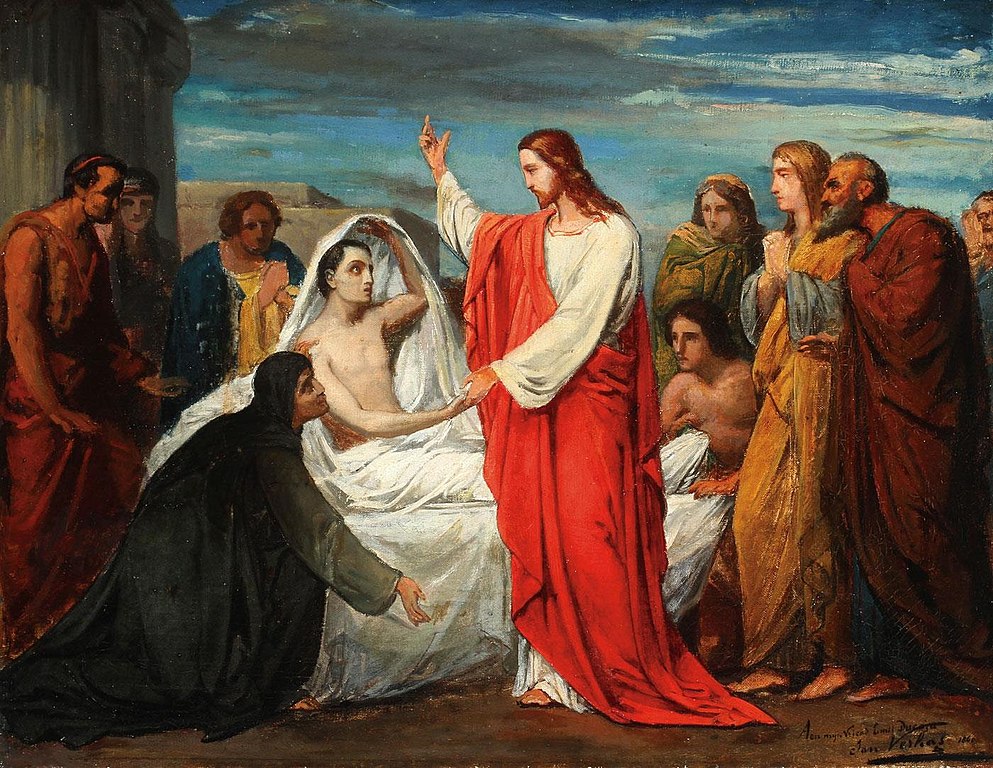
The Lord Jesus turns and looks upon her with compassion. Because even in such a trial, the Lord does not allow death and Satan to have the last word. He has compassion for those whom he purifies. The Lord’s mercy is properly acknowledged not when it is expected, but when it is called upon. When this woman saw the Lord Jesus, could she have known what was going to happen next? Maybe some words of encouragement or an embrace from Jesus and the disciples. Instead, this faithful woman receives her son back alive and well. Through her pain, she is brought to greater reliance and faith in Christ Jesus. This woman, who undoubtedly believes that her son would outlive her, would remain comfortable and secure for the rest of her days. She takes her son by the hand, leaving his casket on the road, even with more joy and gratefulness in the Lord than on the day that he was born. As this man was raised from the dead, this woman’s faith is also raised, being more precious than gold.

And what does this mean for us? It is without a doubt, as seen in all of Holy Scripture, that trials will come. And when they do come, they often come from the hand of the Lord. They may not be as extreme as the examples already mentioned, yet you know what I am talking about, now or in the past. I may not know the cross you bear, and you may not know mine, but since we are Christians, we know that from the hands of the Lord come hard times and trials, and the Lord sees us through so that our faith in his mercy may grow and be purified. These could be times when we lose our jobs for no fault of our own, when we lose friends for something we never said, or when our families no longer want to speak to us because we refuse to deny the truth. God uses all things for our good, to put our faith and trust in him.

It is out of his great love that he desires your faith to increase and to be seen by all. Look at Job —how great a witness does he give to his three friends who believe he is a fool?  When trials come, we bear witness to Christ and the Holy Spirit at work within us. For example, one of the fruits of the Spirit is love. If it is love that must increase, for the Lord will give us our opportunities for love. If it is patience, the Lord will give us the opportunity to grow in patience. If it is gentleness, the Lord will provide times to be gentle, and so on. The Lord does not do this to shut you out, but to bring you closer to him, to rely on him, and to ask for love, patience, and gentleness. 

Let me leave you with this: do not let the world deceive you. As the world doesn’t endure trials from the Lord. For God only can purify those who already have faith. The Lord will not test you beyond your abilities, as he always provides a means of escape. For he is the Lord, who raises the dead to take death upon himself. And he has been raised and ascended to the right hand of the Father, to be your advocate and your helper. So whatever may come your way, either from hell below or heaven above, neither life nor death can separate you from the love of God in Christ Jesus, our Lord.

Fifteenth Sunday after Trinity Matthew 6:24-34

Christ says in this portion of his Sermon on the Mount that even the Gentiles seek food, drink, clothing, and shelter from their creator. Therefore, he tells his disciples that those who would acknowledge him to be the only Son of God do not seek from the Lord what the Gentiles do. He teaches that the Lord supplies to meet our needs, so we are to seek the kingdom of God and his righteousness, and all things will be added to us.

For God even preserves the birds of the air and the lilies of the field. God, as the creator of all things, gives to all his creation. Although the birds and plants are part of God’s handiwork, the Son of God has not come to redeem and save them; yet, He does not forget their needs either. As birds are able to feed and build nests for their young, and the plants are given all they need to produce flowers and seeds, how much more does the Lord desire to do for mankind, the purpose of his creation?

As man and woman are created in the image of God, is not our life more than food and the body more than clothing? Yes, of course. Our Lord does not tell us to ignore the needs of the body. Instead, he tells us that life is more than just the body. For we are created with a body and a soul. A body that is preserved by the creator and the soul that desires to know and love its creator. 

To those whom he has elected to faith, we are to seek the kingdom of God and his righteousness. By faith, we have a higher calling. This calling is to put our trust in God, not only in the things needful for the body, but also for the soul. The Lord does not give us needs or desires that he does not plan to fulfill and satisfy. Just as He created all things on the Earth to be put under submission to man, and to satisfy his needs. God gives us spiritual yearning so that He may satisfy us and put our trust in Him. 

While humans have hunger, it can only be calmed by food that fills the stomach. It is for this reason that God created food, knowing that man would be hungry. So too, we possessed desires of the spirit, which can only be satisfied in a spiritual way. In other words, man desires to be satisfied and filled with God. Each of us longs for God. For we all know that we have sinned and fall short of the glory of God. We know in ourselves that we are incomplete. Spiritual hunger is felt when our souls become restless, doubting that God can forgive our sins. When we still carry the pain of being sinned against, even long ago. When we have sinned against someone and they do not want to forgive us, no matter how many times we try. Or when we grieve the sins and atrocities of this world. These are times of spiritual hunger and distress, only to be cured and relieved by the Word of God.

It is for this purpose that the Son of God, who is the Word of God, takes on human flesh and blood. The same flesh and blood that has suffered upon the cross, paying the penalty of our sins. And by his suffering, agony, and death, he knows how we suffer from the spiritual hungers of this world. As our Lord says from the cross, “I thirst.” This is for our salvation, as He suffers in both body and spirit. As we are rejected by the world for holding to the truth that Christ is the Son of God, so was he. As we are despised for loving those who hate us, so was he. As we are ridiculed for speaking forgiveness, so was he

For in the death of Christ, he does not only suffer for you, but he suffers in and among you. Even as you endure torment and temptation, loss and pain, distress and worry, Christ, the crucified Son of God, does not leave you or forsake you. For he is in his word. He comes to you in prayer. And he is in your fellow Christians who are there to support you and console you. Therefore, cling to where Christ has promised he would be, and your spiritual hunger will be satisfied. As the Lord has not left you hungry and without shelter, he will neither leave you helpless and afraid. 

As long as we still live in the world, anxieties will persist. This you already know a great deal. Worries about new health concerns and whether insurance will cover these expenses. Worries about money, choosing to be late on the mortgage or the utilities, or whether your retirement savings will outlive you. Worried how our families will manage if we move or pass away. You will have a God who, despite your worries about this life, still graciously provides for you. In times of drought, when it seems that the blessings of the Lord have run out, we still reach into our jars and find enough flour and oil for the day. 

Knowing the Lord has laid out all these things needful, Christ says, “Therefore, do not be anxious about tomorrow, for tomorrow will be anxious for itself.”  The number of our days is in the hands of the Lord, for our anxiety cannot add a single hour to our life, so put trust in the Lord. If he plans to give you tomorrow, he will also supply you with everything necessary to live out the day. And our Lord has promised this for all the tomorrows that will come. 

The Lord does not give you all things necessary for this life so that he may abandon you. For life is more than food and the body more than clothing. By his word and sacrament, which are true food that comes down from heaven, you are not only filled until you are hungry again, but you are satisfied. And his salvation is your clothing that never tatters or stains. Your salvation has been sealed in the blood of Jesus Christ, and on the last day, when he raises you up, he will clothe you with new robes that will shine and never fade as you are in the presence of God forever. And at the table of the Lord, there will be no more need or want, hunger or shortage. 

As this is our certain hope, the Lord bestows every blessing of body and spirit for this life and the life to come. Anxieties cannot remove us from the grace of God. The Lord has provided for you thus far. He will see you through. And for those who seek him, he will bestow on you all things, including his kingdom and his righteousness. 

Fourteenth Sunday after Trinity Luke 17:11-19

The Lord Christ has mercy upon those who call upon him, even those who will no longer believe, as his blood cleanses all from the leprosy of sin. While Christ knows that only one, the sick man from Samaria, will truly acknowledge him as the one high priest and Son of God, he has mercy upon the ten. 

Those who were affected by the disease of leprosy were seen as socially inferior and under God’s judgment because of their sickness. Because of their sores and stench, they were removed from society. It did not matter your social status or your family’s. If you were aged or just a youth. Someone infected with leprosy can no longer live among the people, but in the colony of other lepers. These ten men are forced to live off the charity of others who were not ashamed to be seen among the undesirables and morally inferior. They live in complete slums as they cannot take care of themselves and barely survive. I am sure many of these outcasts died of starvation, the elements, or violence among them before the leprosy could kill them. 

And now this band comes into the village to seek out the Lord. They journey where they are forbidden to go. The men stand before him at a distance, knowing that even as he is the Son of God, he is still a man, as they are. They called upon him as Jesus, a name that means “God saves.” And master denoting him with great authority in both heaven and on earth. The petition for mercy is a plea to be cleansed, to be restored to society, to no longer live with the fear of death by disease, hunger, storm, or bloodshed. And for the men of Israel to access the temple and synagogue for worship. This cry is not only to be relieved from the disease; it is to be reunited with the life they once knew. 

Christ desires to do this for all humanity. By our own sinful nature, we have been infected by the leprosy of man’s own making. This is no disease passed down by contact of the skin; rather, it is a leprosy passed down from parent to child. This goes back to Paradise, as Adam and his wife were deceived by satan, and when they were discovered by God, they were found to be unclean. The two became lepers in the garden. Outcast from God’s presence and kingdom. Instead of possessing natural righteousness, which they would give to their children, their descendants must live in the colony of sin and death until they are cleansed and restored by the crucified Son of God.

For Christ comes to us first when we are lost in our trespasses and sins. When we are still under the deception of the world, the devil, and our sinful flesh. The disease of original sin is so deep that it manifests itself in every opportunity that it deems fit. When we become prideful of the good we have done for our families, communities, or congregations, those good deeds become sinful. When we say that we need only a certain amount of time in prayer and God’s word, that is a sin as well. Or when we compare our own faithfulness or dedication to someone who we believe is inferior to us, what does that say about our own faith and dedication to the word of God? Apart from Christ, we cannot earn any approval from God. 

By his blood, we are restored. We are no longer in exile because of our sins. In Christ, we are cleansed of our spiritual leprosy. The Lord Jesus did not die so that he would cleanse you only once. The blood of Christ cleanses you each day. You who were far off are now brought near by the shepherd’s staff of his cross. We exiles do not only return to a garden, but come to a heavenly kingdom that is superior to the paradise once lost. We are brought back to perfect communion with God and with our fellow Christians. The disease of sin no longer separates us as we love and serve one another out of service to Christ, the Redeemer. In the new life of the Spirit, we do not fall into strife, jealousy, fits of anger, dissension, or divisions, as we are all one in Christ. We no longer fend for ourselves, but are united in our Savior. 

As seen in our reading, the dear Jesus extends this new life to all people, including the nine lepers who would soon reject him. The nine shows that not all who will call upon the name of the Lord will endure until the end. At first, they called upon Jesus for salvation, seeking the salvation of both their bodies and souls. Then, after going to the Temple to present themselves to the priest, they are nowhere to be found. For they are drawn away from Christ, as certainly the priest asked them who had cleansed them. These nine lepers represent those who desire Christ at the beginning. May need Christ at the very start, but they do not see a continual need to rely on Christ. He has done one great miracle for the nine, and now they have no need for his word or his continual grace and blessings. 

Many of us know people like this, either in our families, among friends, or within our community. I’m sure most of us have had a period of time when we were in the same spot as the nine. So what can we do for them? First, I would say do not look down on them. We have a God who is patient, and so should we. Second, we should encourage them with the promise that the Lord has never ceased to wait for them. For you never know what a simple phrase of encouragement and love can do. Bring the love of Christ to them, even if they do not desire to know the Lord again. And finally, put your trust in prayer. Pray that the Holy Spirit will bring them back and that you would not be a hindrance to their return, as God desires all people to be saved and to come to the knowledge of him. 

And now, how do we ensure that we will not be like the nine? Well, what does our text say? They all called upon him and said, “Jesus, have mercy upon us.” This is all we can do. continue to put our trust in the Lord Christ, who hears the prayers of his people and is eager to answer them. For our Lord never turned away from those who seek his mercy. For all who call upon the name of the Lord will be saved. Christ has suffered for all things upon the Cross so that he may show his mercy to those who are lost and have gone astray. And through his mercy, he keeps you in his holy church, where his word and sacrament keep you safe and secure until He returns on the last day or calls you to Himself. 

Our Lord’s chief desire is to have mercy upon us, cleanse us, and bring us to himself. For he has cleansed us by his blood that we may be brought into his heavenly kingdom, his kingdom of mercy and grace. Remain steadfast in seeking His mercy, and He will bring us closer to Himself. Call upon him, and he will come near. The mercy of Christ cleanses you and remains with you.

Holy Cross Day John 12:20-33

On this holy cross day, consider how foolish the crucifixion of the Lord Jesus Christ is.   Crucifixion was not the sentence given to an honorable man. Crucifixion was reserved for hardened criminals, repeat offenders, and dangerous threats to society. For not even Paul the apostle could have been crucified, as he was a Roman citizen and could not be sentenced to such a terrible death. The Christ was led to the slaughter like a sheep that was silent before the shears. When the cross was lifted, Christ began to suffocate until he gave up the spirit to our heavenly father. His time on the cross was filled with agony of body and spirit. For he was mocked by those who wanted his blood upon them, saying, “he saved others, but he cannot save himself.” Then, as Christ asked for water to drink, soldiers only gave him sour wine, showing they had no remorse for what they had done to him.

No matter how many times we consider the death of Christ, we will never know about the pain, suffering, and mockery that he endured for our salvation.  As the world sees the death of a carpenter’s boy, the Christian see life eternal in the Son of God. As the Lord chooses what is foolish to shame the wise and what is weak to shame the strong. The world would like to explain away the crucifixion of Christ apart from the Bible. You will hear all kinds of reasons. He wanted to lead a revolt against the Roman colonizers. Or that Jesus no longer saw a need for the Old Testament scriptures. These are simply far-fetched and not biblical whatsoever. These somehow soften the crucifixion of Jesus because these interpretations take away sin from the death of Christ. 

This is why the crucifixion is so scandalous, because it means our actions have violated God’s will and have offended God. Our offenses cannot be remedied by our own actions, as the book of Hebrews makes clear: “There is no forgiveness of sin without the shedding of blood.” How many people in this world have rejected God because they do not want to hear? Countless Christians have died because they want to bring the message of repentance and forgiveness through the cross of Christ. Not only in times past with the apostles, who all suffered for the gospel. Those who brought the gospel for the first time to distant lands long ago. But even in the present time, at a Catholic school in Minneapolis or a college campus in Utah. These people were slain because they held fast to the truth that there is one God who has sent his son to save man, and to be saved means to change your way, trusting in Christ. May God grant that we have faith, such as these.

Therefore, we can only cling to him as the dear Christ says, “Truly, truly, I say to you, unless a grain of wheat falls into the earth and dies, it remains alone; but if it dies, it bears much fruit.” For Christ could only be referring to his coming suffering and death, as he is the Son of the Father sent into the world to redeem what has fallen. The hour of Christ’s planting is coming. God, the Father, has sewn him into the good soil. That by his going into the ground, he may be glorified. He does not come to save himself; Christ is righteous and pure, being one with the Father. Christ comes into the world, making himself a little lower than the angels as he takes on human flesh and blood, so he may become the seed that goes into the ground. He comes for this purpose that man would be grafted into him. 

Just as the sower does not plant seeds only to watch them die in the ground. Neither God has sent his son. The Christ is laid into the Earth that he may bring before the Father much fruit. These fruits are branches of Christ, the one true vine. Christ, who is the firstborn of those who have fallen asleep, now brings with Him all those who believe in Christ to the Father. Apart from the seed, a plant cannot grow or produce any fruit. So too, without Christ’s crucifixion and laying in the ground, we are still lost in our trespasses and sins. We would remain displeasing to the Father. It is only the blood of Christ in his suffering that is able to cover for sins. 

Calvary is where the Son of Man is glorified. The Father speaks: “I have both glorified it, and I will glorify it again.” It is in this moment, the crucifixion of our Lord Jesus Christ, that God fully glorifies his name through his son. As even the people of Israel knew the glory of God when they ate manna and quail from heaven. And how often do we emulate these people also? Instead of seeking God’s will and his gifts first, we decide what God has given is good or not. Or that He would be gracious in the way we desire Him to be. 

Still, the glory of the Lord was not revealed in the fiery serpents that bit the people; God is glorious in his grace as he made Moses construct a bronze serpent. For when they looked upon it in faith, where the world would see only death, they were restored to life again. The Lord’s glory is made known in his salvation in the days of old and throughout the scriptures. Now, the Father says that he will glorify it again. Not with a serpent brought upon a pole, but the body of Christ upon a wooden cross with blood pouring out. 

This is foolishness in the eyes of the world. But for God, this is how he desires his glory to be made known throughout the Earth. The dear Lord says, “And I, when I am lifted up from the Earth, will draw all people to myself.” It is in the hour that Jesus speaks of that the Son of Man is glorified, as he is lifted high upon the Earth, stretched out on a tree. This bloody man, who was beaten and scourged, is how God puts an end to sin. For God loves the world in this way that He gave His only begotten Son, that whoever believes in Him shall not perish but have eternal life. His life was taken away from the Earth so that the children of this world may be exhorted and glorified with him. 

Dear friends, you also have been drawn up with Christ. For with him, your sins died in the body of Christ. Then he was putting the fertile ground cut from stone, that is, his tomb. And he was raised again, bearing much fruit. And finally, when he was lifted up once again to be seated, the right hand of God the Father lifted you up with him. First at your baptism, then daily in lives lived according to his grace, and finally on the last day, when you will be raised from the dead eternally. 

Rejoice in the suffering of Christ, for it is wiser than all the wisdom of man and stronger than all the power of the world. That even when we wait for our Lord’s reappearance, we do not wait without purpose, for the Lord is soon coming to harvest the wheat. Even in the various ways that you suffer in this life, you have a God who has suffered all things for your good, as you are never alone. Today is the day of your salvation. And soon he will lift us up and draw us to himself.

Twelfth Sunday after Trinity Mark 7:31-37

How great it would be to have friends such as these? Friends who have heard of the marvelous deeds of our Lord Christ, and they bring their friend so that he, too, may hear the word of the Lord and profess his holy name with his mouth. The dear Jesus comes across the Sea of Galilee, and a deaf and mute man is brought to him that he might receive life anew. For such a man, how could he have known where his friends were taking him? Or what would he receive from the Lord? These friends bring him to Jesus so that he may believe also.

This act of faith and compassion on the part of the friends stirs up our Lord’s compassion for the fellow in his helpless state. The friends know Christ to be no shaman, or they would have brought bags of money to make a remedy. For how could you coerce the Lord of Heaven and Earth with gold or silver? They also know that he is of the lineage of David and not Levi, or else they would have presented him with pigeons or lambs that by their offering they would grant healing. As it would be of no avail to them, as Christ himself is the Lamb of God who takes away the sins of the world. So, therefore, they only offer prayer and supplication that Christ would heal their friend. 

The friends serve as a model of Christian faith. For by their faith, they knew that Christ would hear them and would not neglect their prayers for grace. Just as the Lord did not neglect the man, their faith taught them that they should not neglect him either. Believing in Jesus Christ as Lord and Savior changes the heart from stone into a heart of flesh. Just as Christ’s heart bled out of compassion for sinners, so too is the Christian transformed by compassion. For he has acted as a friend towards this man. As Christians, we are to do the same. 

To be certain, it is faith in Christ that saves us, yet it is our neighbor, helpless or in need, who requires our friendship. In other words, we show our faith by helping our neighbors because we are Christians who have been transformed by the love and compassion of Christ, the one true friend of every needy and aching soul. Through the spirit, faith bears fruit. And so we are friends to those in need because Jesus Christ has first befriended us.

As our dear Lord shows mercy upon the man by loosening his tongue and opening his ears, this miracle is not only for this man, for Christ bears the sins of all men. And along with sin, Christ bears the consequences of sin, such as the devil, death, and hell. The mercy he shows to the deaf and mute man is no different than the mercy he shows to all mankind. For Christ, after touching his ears and tongue, he sighs, knowing the pain and suffering he will bear upon the cross. He takes sincere pity on the part of the whole human race. Christ’s suffering is not only for the ears and tongues of mankind but over every heart, body, soul, and all people from Adam to the last human being yet to be born. 

In this miraculous act, Christ demonstrates his pity for our souls as he takes away the suffering of this man, so that he may suffer for sin upon the cross. For the Lord to have compassion, he must suffer the cost of his mercy. Through this miracle and many others, Jesus exchanges their sins and sorrows for grace and healing. The Lord does this to bring this man’s sin upon himself. Not for the mute and deaf man only, but for all mankind. 

Christ Jesus is our second Adam, the man of righteousness. That through the first Adam, all mankind fell. Yet, in the second, Christ takes away the punishment of all the children of Adam into his own body and dies for sin. Our Lord carried our sicknesses and has burdened himself with our sorrows. So when Christ died, the sins of all mankind died with him. As he was raised from the dead by the glory of God, the Father, the sins of the world remained dead in the tomb.

As we have been set free from the condemnation of sin by the blood of Christ, we still suffer under the torment of sin. Even as we still suffer illnesses, infirmities, and diseases of body and soul, Christ does not abandon us. For the cross is God’s promise to mankind that God himself knows our suffering. When the body becomes frail, the memory begins to fail, or the mind is occupied by fear, Christ endures these things with you. The Lord Jesus suffered on the cross that He may suffer with us here and now, until He calls us to Himself in His heavenly kingdom. For there is no greater love than this, than he who lays down his life for his friends. 

This is why God calls us to befriend those in need, just like the miracle. For God’s love for us is so deep that it is more than enough for us. This love extends beyond our necessity to help the needs of our neighbors. Scripture says even if we give someone a morsel of water, it is out of faith in Jesus Christ that we do such a good thing. We have been loved by Christ and served by his friendship upon the cross; now, we love for the sake of Christ.

It is through us that Christ suffers alongside our neighbor. Christ does not abandon the suffering and brokenhearted, but he sends them mercy and relief from the burdens in many and various ways, even through the love of a friend, neighbor, or complete stranger. Let the love of Christ shape your life, your relationships, and your charity. For God has not only sent you to relieve the burden of others, but he has sent you fellow Christians to relieve your burdens also.

Dear friends of our Lord Jesus Christ, you are never alone.  The Lord stays with you in all things, joy or temptation, happiness or despair. And when you have finished the race and fought the good fight, it is your friend Jesus who will call you into his home, where you will dwell eternally as he will say to you, “Come, my friend.” And on the last day, when you are raised from the dead to enter into the new heavens and new earth, you will have your friend Jesus sitting on the throne, waiting to declare you righteous on account of His own suffering and death. You are no stranger, but a friend of our Lord, a friend who will never be abandoned in this life or in the life to come.

Eleventh Sunday after Trinity Luke 18:9-14

It is certainly easy to read the parable of the Pharisee and the Tax Collector, and to say that we are the latter. Since we are Christians, we are the humble tax collectors who beat our chests and ask for God’s mercy to pardon our sins. And that the Pharisee in the parable represents the unbelieving world. Those who do not know Christ and the justification by faith in his incarnation, crucifixion, and resurrection. This would be a simple, cut-and-dry sermon. Christians are tax collectors, and everyone else is a Pharisee. Yet, this does not tell the whole story of the parable. 

Notice that both men go to the temple in Jerusalem. They both believe in God, and they both fear his wrath. The Pharisee and the tax collector see that God is just as he executes judgment on the entire world. Therefore, they enter into the house of God to be in his presence as the Lord desires them to do. The temple was where God promised he would be. Between the morning and evening sacrifices for sin offerings, the courts of the temple were open for prayer and the study of God’s word. Both men feared and loved God enough to come into his presence. In other words, both these men attend church not much different than you or I.

The Pharisee comes into the house of God out of his own piety. For he sees himself as a righteous man, a very righteous man. He looks up to God with outstretched arms for all to see, pouring out his soul to God. As the man gazes down upon the people around him, the Pharisee declares that he is more righteous than these other men, “extortioners, unjust, adulterers, or even like this tax collector.”  He believes that he knows the sins of the people around him; their sins that are condemned, while he should be praised. He may be aware of his own sins, but he certainly sees his fellow worshipers as worse sinners than himself.  

Still, the Pharisee sees himself as guiltless under the law of God. This Pharisee is supposed to be a scholar of the Hebrew Scriptures, and in his reading, he sees none of the commands and ordinances of God that he has violated and needs repentance. In this manner, the Pharisee has violated the first table of the law—the portion of the Ten Commandments concerning man’s relationship to God. These are the commandments concerning other gods, not misusing the Lord’s name in vain, and remembering the Sabbath day to keep it holy. Meanwhile, the Pharisee also excludes himself from the other sinners who have gathered to pray. Yet, in this act, he is showing that he is no greater than these, for the law of God tells us that it is not simply kept by the letter but by the spirit. For he is like every other sinful man who has dishonored authority, hated brother, gazed with lustful intent, taken possession of another’s property in a dishonest way, told a lie to destroy someone’s reputation, or desired from the heart what they have no right to. Instead of being guiltless, he has violated the entire law of God. 

We have no trouble looking down on this Pharisee, but are we much different than him? How easy is it to look at our own sins while also seeing the sins of our neighbors, our fellow Christians in the peripheral? Or to self-justify ourselves, saying at least our sin isn’t as bad as the person across the aisle from me or someone imagined in our mind’s eye. What about using another’s sin to justify committing the same transgression? No one can stand justified before God’s law. And just like the Pharisee, it becomes second nature to use our good deeds that are pleasing in the sight of God to somehow cover up our sins. 

In our old nature, held captive by sin and death, even as we have been made new in Christ, we still seem never to fully put aside our Pharisaic tendencies. So what can we do? We can only do one thing. Look to the other man in the parable, the man who went home justified, the tax collector. 

For this man, when confronted with the word of God, does not make excuses for his sins. Rather, he sees all his transgressions that offended God, including the money he stole from the people by seeking a cut of their taxes, lying to the officials about how much he collected, and not showing mercy to those who could afford what they owed. His sins have not only offended God, but also they have imposed suffering on his fellow children of God. And the same is true for us. There are many times in your life that you feel the weight of your sins as well, as if the burden was too heavy that even God himself could not lift it. Or when the world, the devil, or sinful flesh has taken us so far away from God that he somehow could never find us again. Even when we look at the filth of our sins, we wonder why God would ever want to cleanse us from our miserable state. 

God is not so far off that he cannot find you or reach you or cleanse you. For God has sent his son Jesus Christ to do these things. Christ comes in flesh and blood that he may eat with sinners, tax collectors, and prostitutes. He comes to wash away sin by his blood on the cross. Although He knew no sin, Christ Jesus became sin for us. The Son of God, who is blessed, has become a curse for us. He never ceases to seek out the lost to care for them and to forgive them. And just like the tax collector, he has given you the Holy Spirit who calls you daily to repentance and to live before God in righteousness and purity forever. This is not something you can find on your own in the world, but it is something that God has given to you for the sake of Jesus Christ. 

Even on those days when we are knowledgeable of our sins and remain assured of God’s grace, Jesus always sends his Holy Spirit to comfort us that we are saved. Though we proceeded from the lions of Adam, we are made members of the body of Christ. As Christians, we are Christ’s hands and feet, his organs and members. For when God looks upon us, he only sees numbers of his Son’s body who are nurtured by Christ, our head, fed with his very lifeblood. For the members of Christ’s body, fed by his blood, are the most righteous of all men. And in us, God the Father only sees us through Christ.

As members of his justified and resurrected body, we cannot leave it up to yesterday’s forgiveness. For we daily sin much. God richly provides his forgiveness to you week by week, by words and sacrament, as organs and members require life from bread and blood. In the same way, God justifies and gives unto you a heart of a tax collector that has been broken by sin and comforted by God’s all-sufficient mercy. We, with the tax collector, can put our trust in his mercy, for there is nothing else in which we can be saved.

Tenth Sunday after Trinity Luke 19:41-48

Our Lord’s chief desire is to show mercy and pity through his mighty power. Today, Jesus weeps over the city of Jerusalem. Jerusalem, a word that means the city of peace. The City of God, Holy Zion, the center of the world in the eyes of the people of Israel. Jerusalem, the city that killed the prophets of old, and only days after this reading from Luke, the city will also kill the Son of God. Yet, before he sets a new altar before the people, that is, the cross of Calvary, Christ himself, our new high priest, and his very body our new temple, must cleanse the old to teach the people of the new. At the end of our reading, we find the disciples at Jesus’ feet as his word is the true refuge from calamity and judgment. 

Earlier in the same chapter of Luke’s Gospel, Jesus enters the city of Jerusalem, sitting on a colt of a donkey. He comes into the city for his last Passover to the sound of the cries of children, saying, “Blessed is the king who comes in the name of the Lord. “ Yet, it is only Christ who truly knows what awaits him and this passover celebration. That the king, who is the Lord Jesus, has come to purchase his people back from their idolatrous ways with his own blood. The joyous occasion becomes one of sorrow. For Christ knows that not many of that city will come to believe in him as the Son of God either now or after his resurrection. Christ mourns the coming visitation of the Lord. As we know from Jewish history, the words of Jesus in our gospel reading were fulfilled in the year 70 A.D. According to Jesus’ own prophecy, the city was destroyed by the Romans, leaving no stone unturned. This event is known as the Siege of Jerusalem. 

The God of the Bible is the God of visitation. The Lord desires to be with his people, either to demonstrate his judgment or to extend peace. Many times, the Lord’s visitation in the Bible does both of these at the same time. We only need to look at the life of Abraham as it is recorded in the book of Genesis. Here, we see two notable visitations of the Lord. Abraham had a nephew named Lot who lived in a city called Sodom. There, two of the Lord’s angels visited Lot and his family. The men of that town were overcome by evil desires for the two visitors. The men’s sin of sensuality was a result of the people’s hatred of God. Though the Lord had mercy and compassion upon his servant Lot and his family as they were brought out of the city by the angels. The Lord showed favor and great kindness, saving the lives of his servants.

The Lord also visited his servant, Abraham. God visited him as he appeared at the Oaks of Mamre. While Abraham entertained his three guests with bread made from fine flour and a good and tender calf, the Lord revealed that his barren wife, Sarah, would have a son. Sarah laughed in disbelief. The angel of the Lord replies to Sarah, “Is anything too hard for the Lord? At the appointed time, I will return to you, about this time next year, and Sarah shall have a son.”  The Lord came to Abraham to reveal his mighty works, for through Abraham came Isaac and through Isaac came the Christ, the savior of all the world. 

Our God is the God of visitation, and as he visits the city of Jerusalem, Christ, our Lord, brings mercy and pity through mighty power that brings about the judgment of the cross and the grace of the resurrection. Jesus comes to visit the people to save us from the coming destruction of this life and in the life to come. Even as our Lord executes judgment upon sin, he never ceases to come to save sinners, those who are lost and oppressed. 

And now Christ cleanses the temple in order that he may teach the word of God to the people. He throws out the money changers as they have made the house of God into a den of robbers who take advantage of the people, as they were required to exchange their money for the currency of the temple. He cast out the animal dealers, for they took advantage of those who traveled far and wide by overselling their animals so that the people could offer their Passover lambs as sacrifices in the temple. For the temple of God cannot be divided, partially dedicated to the sacrifices and worship of the God of Israel, while also being dedicated to lies and deceit. The same is true for our hearts, as we dwell with Christ and he with us. Our souls and bodies are temples of the Lord. God does not want our hearts divided within us. Partially dedicated to one true God, while the other part is held by the deception of sin. Using our mouth to worship God and to receive his sacrament on Sunday morning, while it is also used for spreading gossip, making up rumors, or fabricating the truth, and many other such things. For Christ our Lord says, “A house divided cannot stand.” 

Yet, do not fear our Lord’s visitation. For Christ has not come only for jerusalem, but for the sake of the whole world. He comes into our hearts to cleanse them from sin, from unbelief, and from the captivity of the devil and the world.  He makes his humble abode with us as he is the Word of God in flesh and blood. We have beheld his glory, the glory of God the Father, full of grace and truth. He cleanses us so that he may be with us, that in all things, even trials, temptations, and yes, our suffering Christ Jesus is with us here and now. For He has bought us with the price of His own blood. As he goes to Jerusalem for the sake of Calvary. There, the cross is his new altar. His body is the new temple. And Christ himself is our new high priest. As the Lord has visited us with his mighty power that he might save us. 

Now that Christ has cleansed the temple in Jerusalem and the temples of our hearts by his word in sacraments. He teaches in the temple day and night for three days. and the people of the city cling to every word that he speaks. And the same is true for you, dear Christian, for this is how you have come to believe in Jesus, by his word of promise and forgiveness. The word of the Lord is given to you for your good. And by his word, you are restored to God your Heavenly Father.

The Lord visits his people to show his mercy. This is not a one-time event, but happened here in this place week after week. Jesus is there in holy absolution pronounced upon his people, he is in the preaching and reading of his word, and he is in the bread and wine that is his body and blood for your comfort and forgiveness. In his word, heaven and earth meet. As our Lord never ceases to be with us and to have mercy upon us all.

Ninth Sunday after Trinity Luke 16:1-13

Christ our Lord speaks in parables to reveal the mysteries of the kingdom of God, as they are often contrary to how we see the world. The parable of the unjust Steward is no different, as he acts foolishly in the eyes of the world, but is commended and praised by his heavenly father for his wisdom that invokes mercy.

The parable begins with a wealthy man who employs a steward to collect the money from those who are indebted to him. Word comes to the rich man that his servant has not been faithful in his work. The man has mismanaged his master’s investment of property or possessions. Maybe the man sought filthy lucre by using his master’s possessions or was simply incompetent with money. Either way, the master knows the servant has cooked the books and there is money unaccounted for, and he is to blame. The steward knows that he is canned while the rich man calls him to give an account for his misdeeds. 

And as he ponders his circumstances, he will soon be out of a job and home. The man feels obligated to maintain his appearance. A man like him would have status in the community to work for such a wealthy landlord. He is afraid of difficult or dangerous work, as he would much rather keep his hands soft and free of calluses. And if he began to beg, he would be asking for money from those he had wronged. He sought to avoid bringing shame upon himself in the face of the community and made a plan. When he would be sent packing, he could find a place to lay his head with his new friend. In short, the man is in trouble, and so he scratches the backs of others’ hoping they will do the same after he is fired. He devises a plan to get out of this pickle and goes to the Master’s debtors.  First, he goes to a man who owes 100 measures of oil, and he forgives half of the debt on his own accord. Then he goes on to another man who owes 100 measures of wheat and cuts his bill down to 80. 

And now we find the twist in the parable. We would certainly expect the Steward to get a greater punishment than what he previously deserved. He already defrauded the master, digging for himself quite a hole. And now he forgives debts that weren’t his to forgive. Digging that hole even deeper.  Yet, when he comes before the master, he is commended, praised, and admired for his deeds of mercy to those in need. When it appears that the unrighteous steward has overstepped his bounds, he has told “well done, good and faithful servant.” He is praised for his shrewdness. The steward is clever in the way he shows mercy, even before the master does. By invoking mercy, he knows the heart of the master that he will show mercy upon those who show mercy. He is keen to do well for those who will soon invite him into their very homes.

This may be why this is such a strange parable, as it seems that the steward made matters worse, but it ultimately saved his life. If the master of the parable is God, then the master cannot have praised his dishonesty and unfaithfulness with the Lord’s possessions. Rather, he is praised for his shrewdness, for being so clever. 

Jesus then offers the purpose of the parable: “Make friends for yourselves by unrighteous mammon, that when you fail, they may receive you into an everlasting dwelling.” Our gracious heavenly father has given us all things, our bodies, souls, and all that we have, including our money. Money is not the ultimate goal, but it is a tool given by the Lord to use in serving our neighbors and glorifying God. All our money, our houses, the job we have, the food in our cupboards, and even our very lives are on loan from God, our creator. And this parable encourages us to be shrewd or clever with what God has given us in this life. For God has given reason and wisdom to use all these things in love and service to God. 

It should be understood that God is the master and not the unjust steward in the parable. Our Lord’s salvation is not a “I scratch your back and you scratch my back” kind of deal. He does not command our cleverness in order to be saved; instead, this parable is here to encourage us to use our gifts of God to serve him first. For our Lord, salvation is no business contract. He does not seek rent at the end of our lives. For Christ Jesus has looked upon us in mercy, and he sees the bill of our sins, and it is paid in full, not with gold or silver but with his holy and precious blood, and our debts are forgiven. And the receipt of our forgiveness is that we are at peace with God and our neighbor because of the merit of Jesus Christ.

We Christians are the sons of the light in the parable. As a parable, it compares us to the unbelieving world and their cleverness in getting ahead in life, whether in terms of money, reputation, hobbies, or sports. For those who do not believe in Christ, they are constantly worried about getting ahead, and they use their cleverness, wisdom, and intelligence to scratch the backs of others in the hope of receiving favors in return. How much more clever should the Christian be when it comes to using the gifts of God? 

In Christ Jesus, we are made wise. True wisdom is faith in Jesus Christ, imparted by the Holy Spirit. The book of Proverbs says, “The fear of the Lord is the beginning of knowledge.” This means that faith is the beginning of knowledge of the word of God and his purpose. For the parable, shrewdness is faith in Jesus Christ, the giver of every good gift. The Holy Spirit does not bring you to faith so that you may figure it out on your own. He remains with you, by your side, and in your heart to increase your faith in Jesus Christ. Without Christ, we can do nothing. 

So find your wisdom in the one Lord Jesus Christ. And he will not lead you astray. He is the wisdom of God who has become flesh and blood for your sake. Do not become eager when the world begins to count their treasure in the present time. As you have greater treasures in the kingdom of God, where he has prepared for you everlasting dwellings. And the friends you have made in this life with the gifts of God will entertain you there also. For all the saints of God have been made wise, and your dwelling is made secure through the Lord Jesus Christ.

Eighth Sunday after Trinity Matt. 7:15-23

In our gospel reading, as Jesus is nearing the end of the Sermon on the Mount, he warns against false prophets. Christ has spent the three previous chapters of Matthew’s Gospel teaching the correct interpretation of the law of God. The law of God, the Ten Commandments, makes sin a matter of the heart. It is simply not enough to live by the letter of the law of you shall not murder. For Jesus, to avoid harming your neighbor also means to care for his needs of body, soul, and reputation. To keep the law is to know what it says and what it means. And now Jesus tells them to beware of false prophets, who will come like wolves in sheep’s clothing to rob the Christian Church of the saving power of Christ and his cross.

Martin Luther once said, “Wherever God builds a church, the devil builds a saloon or tavern at the side of it.” Satan hates the church and what it stands for. Satan does not want sinners to hear the forgiveness of sins on account of Christ through saving Faith by the Holy Spirit. He despises it when we baptize children and bring them into the kingdom of God. And most of all, in the Lord’s Supper, when Christ is present in the bread and wine for us Christians to eat and to drink, this makes the devil tremble in fear as all his works become unraveled. For in the church where Christ is worshiped, the devil is put to shame. Where the victory of the cross is proclaimed, satan is cast out. Where children of Adam become children of God, the devil’s power is overthrown. 

It is for this reason that Christ warned against false prophets. These prophets come by their own authority to devour the sheep. They are not placed as under-shepherds of the Lord, put in the stead of Christ to preach and administer the sacrament.  The false prophets go where they have not been called. As they are wolves in sheep’s clothing, they are meant to appear as good, and if they desire to do no harm. Yet, at the opportune time, the wolf removes his wool and shows his bloody teeth.

Our Lord does not give us this warning to scare us. Yet, they are to ensure us that Christ is the Lord of the church and he has the final victory. While satan prowls around like a roaring lion waiting for someone to devour, the devil knows that the battle has already been lost on the cross of Calvary. For our Lord calls himself “the good Shepherd” who does not abandon his sheep when danger comes upon the flock. Christ says, “I am the good shepherd. The good shepherd gives his life for the sheep.” So when wolves, threats of danger, and false prophets come upon his little ones, Christ is our sure defense, sparing nothing, even his own life, for the sake of the sheep. For he would much rather suffer the cross than see any of his sheep snatched away from his hand.

While our Lord is ascended to the right hand of God, the Father, he is still with his church. As our Lord’s last words to his disciples were “And, lo, I am with you always, even until the end of the age.” For Christ has ascended upon high to give us assurance that he is with the church wherever the church may be. Christ is in the midst of us even today, for two or three are gathered in his name, Christ is there. So when false prophets came as our Lord promised they would, do not be shaken or dismayed, for Christ does not abandon even the lost sheep. 

We must take Christ seriously at his word. As Christians, we are warned of coming false teachers who will attempt to rob Christ’s Saints of the certainty of salvation. They whisper doubt of God’s word, make up sins that were not actually there, or change the definition of sins so that Christians see no need to repent. All these things glorify man’s desires over the one true God. That is the goal of false prophets: the worship of the self over the worship of God. There is one way to bring to light the dissension of their lies, and that is the word of God.

To avoid falling into the trap of those who twist God’s word, we should always be in the Word of God. For “Scripture is breathed out by my God and profitable for teaching, for reproof, for correction, and for training in righteousness that the man of God may be complete, equipped for every good work.” The word of God is given to us for our good, and it is faithful and true, so we can put our trust in it. When faith is grounded in the word of God, we cannot be shaken or moved. For the word of God also says this: “Beloved, do not believe every spirit, but test the spirits to see whether they are from God, for many false prophets have gone out into the world. By this you know the Spirit of God: every spirit that confesses that Jesus Christ has come in the flesh is from God,and every spirit that does not confess Jesus is not from God.”  So when these prophets come, hold them to the word of God that teaches that Christ has come into the flesh, and you will know if they are true.

Gladly hear and learn the word of God. And what does the word of God say? The word of God says, “I am the way, the truth, and the life. No one comes to the Father but through me.” John 14. “I and my Father are one.” John 10. “You are the Christ, the son of the living God.” Matthew 16. “He who believes and is baptized will be saved; but he who does not believe will be condemned.” Mark 16. Jesus took bread, gave it to his disciples, and said, “Take, eat. This is my body.” And after supper, he took the cup and said, “Take and drink, this is my blood given for you.” Matthew 26. “Being justified freely by his grace through the redemption that is in Christ Jesus, whom God set as a perpetuation by his blood, through faith” Romans 3. “For by grace, you have been saved through faith, and that not of yourselves; it is the gift of God, not of works, lest anyone should boast.” Ephesians 2.

These passages are essential to our Christian faith, and knowing that they are the Word of God, these words are true. If anyone teaches otherwise, you may know that these spirits are not from God. For God’s word is certain because it points to Christ, the second person of the Trinity, who has become flesh and blood. Christ, who has suffered, died, and rose again. The scriptures bear witness to Christ and bring Christ, for they are trustworthy and true.

When we hold fast to the word of God, who is there to harm us? When we rejoice in the promises of God, what can take this great comfort from us? When we find rest in God’s sure foundation, why would we need to put trust in anything else? 

So do not fear the false prophets. For you have a very word of God. Come what may, nothing will separate you from the love of God in Christ Jesus. His word is filled with his promises of forgiveness, life, and salvation. The word of God has made his dwelling with you and in his church and in his sacrament. 

For in the sacrament of bread and wine, there is the flesh and blood of Jesus Christ, the word of God incarnate. This word in the sacrament strengthened you and preserves you in true faith in his holy word. Here is your salvation. Here is a refuge from all the terrors of this world. Here is your Lord Jesus. So come, this word is for you.