Blessed Are You

Text: Matthew 5:1-12

All Saints’ Day Bulletin

Listen to “2018-11-04 All Saints' Day” on Spreaker.

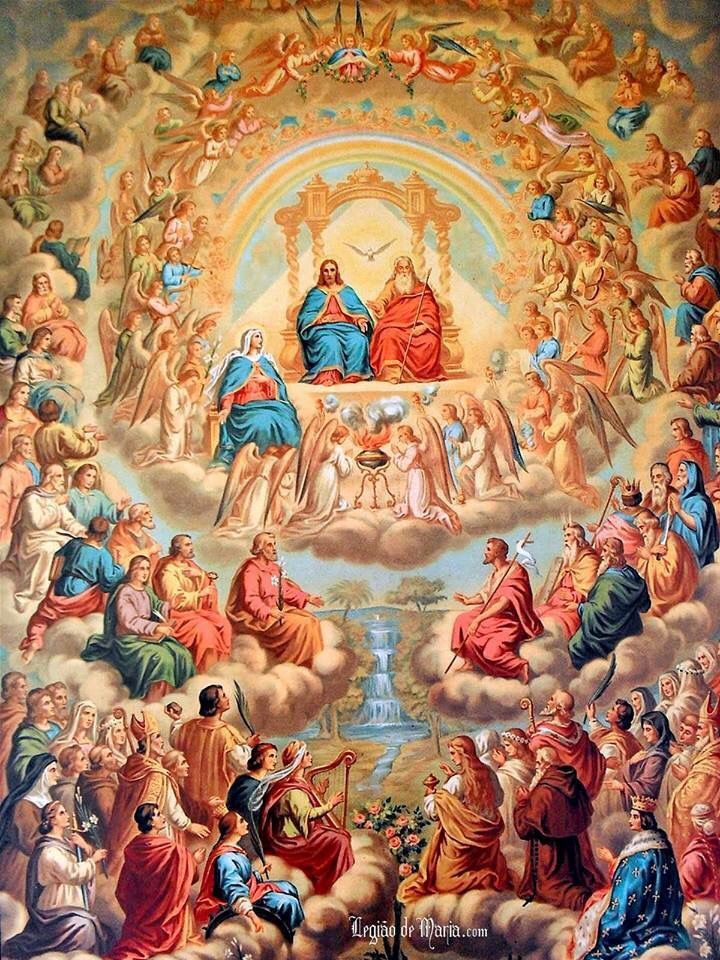
Today, we are observing the Feast of All Saints, otherwise known as All Saints’ Day. All Saints’ Day is the day set aside by the Church to recognize and give thanks to God for all the those who have preceded us in the faith and now rest from their labors. We believe that, in Christ, all Christians are forgiven saints of God and that, when a Christian’s earthly race is complete, they depart to be in the living presence of Christ, awaiting His return and the Resurrection of the Dead. Those who die in faith are not dead, but very much alive in heaven. Therefore, we give thanks to God for them. 

This Church holiday is an old one. Our first records of it being celebrated publicly date back to the 4th century. Our records of it being celebrated on November 1st date to around the 8th century. Our fathers in the faith celebrated it much as we do – remembering and giving thanks to God for those who have gone before us, and asking that we might, by His grace, follow their example. We also recognize on this day that the blessedness which Christians enjoy in heaven is not received only upon arrival there; it is something we receive now in this present time, through faith in Christ. Our Lord says this Himself in our text, “Blessed are the poor in spirit, for theirs is the kingdom of heaven.” He teaches that those who mourn their sin and look to Him are blessed with forgiveness now and will be blessed through the same into eternity.

I.

Our text for this observation of the Feast of All Saints is from the Gospel of St. Matthew, the fifth chapter. Here, the Spirit relates to us the words of Jesus in what is usually called, “The Sermon on the Mount.” If you’ll permit me to be honest, it’s not an easy text. Our readings from the epistles of St. John are vivid and clear in their meanings, but this text from Matthew has been made difficult. It’s a challenging text to preach and teach because it’s so often, well, mangled. Most often, you may have heard this – and I’ve believed it at a time – that the Beatitudes are a Law text; it’s been taught that the Beatitudes are special promises that belong only to the people who fulfill them. In a denomination other than our own, it’s also taught that they only apply to those who would follow the example of Mother Theresa and the like. Regular Christians need not necessarily hear this text.

The key to understanding the Beatitudes and seeing that they belong to preaching of the Gospel is understanding what our Lord meant by “blessed are the poor in spirit.” The word, blessed, crosses our Lord’s lips a number of times in Matthew’s Gospel and He always uses it in a sense beyond just happiness. To be blessed according to our Lord is to receive salvation. In chapter 11, when the Baptist sends a message to Jesus asking if He is the Messiah, Jesus responded that the blind were seeing, the lame walking, the lepers cleansed, the deaf hearing, the dead raised up, and the poor were having the Gospel preached to them. Then He said, “Blessed is the one who is not offended by Me.” After Peter offered his great confession of the Christ, Jesus likewise said to him, “Blessed are you, Simon Bar-Jonah.” To be blessed according to Jesus is to receive His Word in faith and trust in Him for salvation.

Who is it that receive Jesus’ Word of forgiveness, but those who recognize their need for it? In His response to the Baptist’s question, Jesus was citing from Isaiah, where it says, “the Lord has anointed me to bring good news to the poor; he has sent me to bind up the brokenhearted, to proclaim liberty to the captives, and the opening of the prison to those who are bound.” The poor Jesus speaks of are not necessarily those poor in possessions, they are the poor in spirit. To be poor in spirit is to recognize through the preaching of the Law, that we are both dead in and enslaved to sin. 

II.

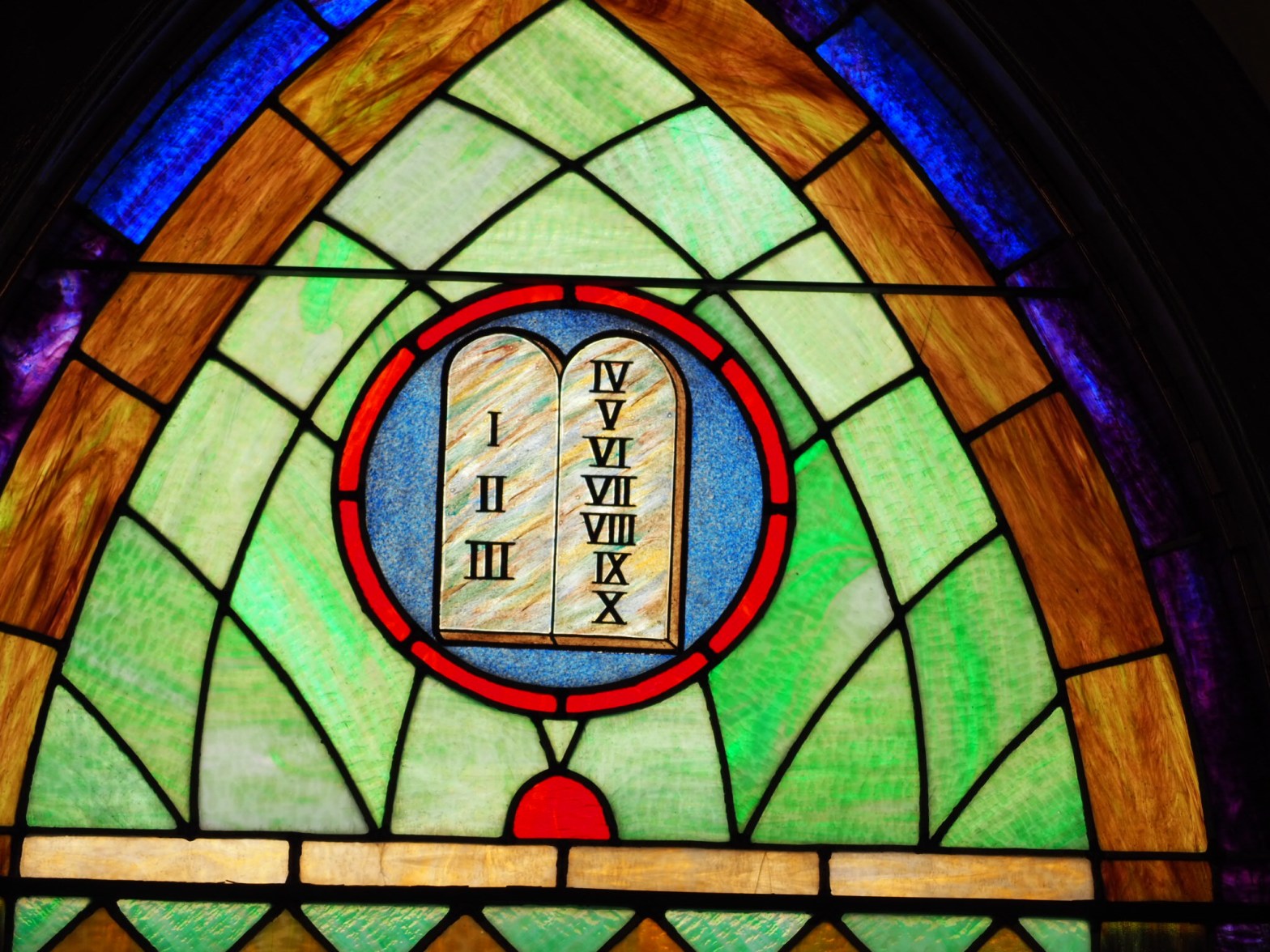
The poor in spirit, the ones whom Jesus says are blessed, and those to whom the kingdom of heaven belongs are us. They are us, and all Christians. We hear the preaching of God’s Law, the Ten Commandments, and we recognize that there is nothing in us but sin and death. We are filled with anxiety and terror, uncertainty and shame; and we mourn our sinful condition. “Blessed are those who mourn,” Jesus said, “for they shall be comforted.” Jesus’ whole life and work was dedicated to preaching the Good News to the poor in spirit and comforting those who mourn their wretched bands. He proclaimed to those who hungered and thirsted for righteousness that Righteousness had, indeed, come. He who created the heavens and the earth took upon Himself human flesh.

He did this so that His righteousness might become our righteousness. Though we stood afar ways off from God and – ever since our first parents – have been justly barred from God’s gracious presence, God came near to us. In His flesh, on the tree of the cross, Jesus Christ bore the weight and guilt of all our sin. He bore in Himself all the wrath of God that we earned by our many transgressions. As we heard last week, He made propitiation – atonement – in His blood for our sins. In Baptism, we receive the forgiveness He earned and He places on us the white robe of His righteousness. In Him, we poor sinners are made rich in salvation. In Him, we who mourn our sin are comforted with forgiveness. “Blessed are the poor in spirit, for theirs” – through Christ – “is the kingdom of heaven.”

III.

Understanding what Jesus meant by, “blessed are the poor in spirit,” helps us to see that the rest of the Beatitudes are Gospel promises to those have received the gift of faith in Christ. By our Baptism, we were not united only to His death – but His resurrection, as well. The life we now live, we live with and in Him. Through the Holy Spirit we strive to be meek, that is, gentle in our relationships with others. We seek to embody toward them the love we have received in Christ. We have mercy on others, caring for them as we are able. We are peacemakers when, instead of holding our brother’s sins against him, we forgive him – because we have first been forgiven in Christ. We are made pure in heart through Baptism and seek to remain in the truth and purity of God’s Word.

Abiding in Christ’s Word, forgiving and having mercy on each other, and loving as Christ first loved us will not bring us friendship with the world. As we strive to remain faithful to His Gospel, we will experience that friendship with Christ is enmity with the world. That is why our Lord speaks of being persecuted for righteousness’ sake and of having all kinds of evil uttered against us falsely on His account. His promise counters all hardships we might face. He says, “Rejoice and be glad, for your reward is great in heaven.” The reward that awaits us belongs to us even now through faith in Jesus: our sins are forgiven, we look forward to our rest in heaven, and we expect the joy of the new heavens and the new earth.

This same blessedness, this same hope, is what carried our fathers forward into heaven’s embrace. On All Saints’ Day, we give thanks to God. We give Him thanks for the forgiveness that He has given to all who believe in His Son; we give Him thanks for preserving His faithful against all adversity; we give Him thanks for gathering them to His side. We ask that we would be encouraged by their witness and by God’s grace follow their example, until the blessedness which is ours now in Christ is more fully enjoyed in the life to come.

Free, Indeed

Listen to “2018-10-28 150th Anniversary Service” on Spreaker.

Text: John 8:31-36

Jesus said, “If you abide in My Word, you are truly My disciples, and you will know the truth, and the truth will set you free.” The Word that He speaks of as His Word is the Good News of His perfect life, sacrificial death, and rising from the grave. This Good News is the capital-T truth, and there is none beside it. Jesus promises to those who, by the Holy Spirit, receive His Word in faith and so abide in it, freedom; freedom from sin, from death, and from all the power of the devil. Those who abide in Jesus’ Word abide in the truth and are truly free.

This is the Good News that has been preached and taught from this altar and pulpit for the last 150 years. For 150 years, God the Father has welcomed children into His family through the washing of Holy Baptism. For 150 years, children and adults have been taught the saving Word of Christ and so set free from sin and its condemnation. For 150 years, the Lord has blessed and kept His precious flock from the assaults of the devil, keeping true His promise that the gates of hell will never prevail. And, by His same saving Word, He continues to set even us – in the here and now – free from our sins, so that we might live with Him here in time and there in eternity. By Christ’s saving Word, we are free, indeed.

I.

The occasion of our Gospel text today is, as the Holy Spirit caused St. John to write, that Jesus was speaking, “to the Jews who had believed in Him.” By this point in the Gospel, Jesus had been preaching for nearly three years and was nearing the end of His public ministry. It was Jesus’ custom to go into the synagogues on the sabbath and teach there to, in His Words, recover, “the lost sheep of Israel.” Jesus was not successful in His own hometown; but in other places He was, and many Jews did believe in Him. We learn from the Parable of the Sower that not all the seed that is scattered endures to the harvest. In fact, 3/4 is devoured by the birds, the sun, or thorns. Therefore, Jesus encouraged those who had believed in Him to abide in His Word, for in His Word they know the truth and are set free.

Those who heard Jesus say this missed the point. They responded, “We are offspring of Abraham and have never been enslaved to anyone.” Now, think for a second, do they speak the truth? Of course not. They must’ve forgotten about the 430 years in Egypt and the various periods of  slavery during the time of the judges, and also their present occupation by the Romans. They missed the point because Jesus wasn’t talking about political freedom or earthly freedom, but a spiritual freedom – a freedom from sin, from death, and from the power of the devil. Jesus said, “Everyone who practices sin is a slave to sin. The slave does not remain in the house forever.” Jesus came to bring eternal freedom to light through the Gospel.

Everyone who sins is a slave to sin, Jesus said. When we sin, we do so because it already has hold on our heart, and there’s nothing we can do to free ourselves from it. We were born in sin and we will die in it, left unchecked. Therefore, Jesus came to break the cycle and bring freedom from slavery. Though He Himself was not subject to the Law, He placed Himself beneath its demands and kept them. Though He kept the Law to perfection, He willingly submitted Himself to the condemnation of the Law and, by His death, bore the wrath of God against our sin. By His resurrection from the dead, He defeated death and the devil and brought eternal life back to us. 

He gives this freedom to us by His grace, as a gift through faith. This is what we celebrate every Reformation Sunday. And, the way in which the forgiveness of sins which He won gets to us is through His Word – preached, read, taught, sung, and the Visible Word of Baptism and the Lord’s Supper. Jesus promised, “If you abide in My Word, you are truly My disciples, and you will know the truth, and the truth will set you free.” Free, from sin, death, and the devil.

II.

For the last 150 years here at St. John’s, and 80+ at Grace, the Lord has been at work setting His people free from sin, from death, and from the power of the devil. Hundreds, if not thousands, have crossed the threshold and entered into the house of the Lord to hear His Gospel preached – to hear that their sins are forgiven and their place in heaven secure in Christ. Hundreds of children and adults of have been baptized here, confirmed here, married here; and we have given thanks from this altar for the many who have preceded us in the faith, who are now with Christ and await the Resurrection. In His grace, the Lord has caused His Word to be openly preached, taught, and believed in Fairbank and Jesup for a combined total of well over 200 years.

The Lord’s promise to set free from sin and death those who abide in His Word is not just a promise given in the past. It is not only true for those who heard it initially or to those who have come and gone as faithful members in the past; it is true now. The Lord has promised to be present wherever His Word is taught in its truth and purity and the Sacraments administered according to His institution. He has promised to be – and is – with us, now. Through the Word of Christ, the Holy Spirit creates and sustains saving faith within our hearts. By the Supper and through Holy Absolution, the forgiveness which Christ won for us is given us anew each week. Through these things we are free. We are free, indeed.

Let us, therefore, live as those who have been set free. We were all conceived and born in iniquity. We were enslaved to trespasses and sin. Christ, out of love and mercy – by His grace – has set us free by faith in His death and resurrection. The salvation He won, He gives us through His Word. When we abide in His Word, we know the truth and are set free. For 150 years the Lord has dwelt among and set free from sin His people here at St. John’s through His Word. He abides among us now, and we in Him, through that same Word. Let us, therefore be free, indeed, in our words and actions. Let us be free in bearing witness to the community around us of the life that we have in Christ. And, let us be free in love, knowing that in Christ, God first loved us. In the words of St. Paul, “Now to Him who is able to do far more abundantly than all that we ask or think, according to the power at work within us, to Him be glory in the church and in Christ Jesus throughout all generations, forever and ever. Amen.” 

All Things Are Possible With God

Text: Mark 10:23-31

2018-10-21 Pentecost 22 Bulletin

Listen to “2018-10-21 Pentecost 22, "All Things Are Possible with God"” on Spreaker. 

For God alone, O my soul, wait in silence, for my hope is from Him.” We heard these words of the inspired prophet King David a few weeks ago when we recognized the blessings God has given to and through the LWML. David sang these words to God at a time when ruthless men – men whom he had trusted – sought his life and chased him away from his throne. Our text a few weeks back ended with David’s encouragement, “Trust in Him at all times, O people…God is a refuge for us.” This same psalm of David also bears witness to what we learn in the Gospel text today.

Later in Psalm 62, David sang, “Those of low estate are but a breath; those of high estate are a delusion; in the balances they go up; they are together lighter than a breath. Put no trust in extortion; set no vain hopes on robbery; if riches increase, set not your heart on them.” Not only did David learn to trust in God more than all men, he also learned not to set his hope or heart on wealth and riches. David knew that the proper way to use the wealth that God gives us is not to use it only on ourselves, but for the benefit of our neighbor. Jesus also teaches in our text today that we should use what God gives us in service of the Gospel. However, we should not trust in our actions for salvation, for salvation is only possible through faith in Christ.

I.

Our text this week from Mark 10 picks up where we left off last week. Last week, we heard about the rich young man who ran up to Jesus and asked what he could do to inherit eternal life. Jesus answered that if he would like to earn his way in, he must obey all the commandments – which includes fearing, loving, and trusting in God above all things. The man went away sorrowful, for he was not ready to place faith in Christ above his wealth and possessions. After he went away, Jesus said to His disciples, “How difficult it will be for those who have wealth to enter the kingdom of God!” At this, the Disciples were amazed – and not in a good way. Then, Jesus said again, “Children, how difficult it is to enter the kingdom of God! It is easier for a camel to go through the eye of a needle than for a rich person to enter the kingdom of God.”

The disciples were exceedingly astonished by this. That’s because, particularly in St. Mark’s account of the Gospel, the disciples are always a mixed bag; they never quite get it. What’s troubling them in this text was their cultural understanding of what it meant to have wealth. If a person was wealthy in Bible times, it was expected that they would also be generous with that wealth. Wealthiness was seen by many as a special sign of God’s favor. It was taught that those who had been so blessed by God were then able to spend their lives in devotion to works of charity and love. The rich people didn’t have to farm or fish or slave away for a living; they could be entirely devoted to good works. In the disciples’ eyes, if there ever was a candidate perfect for salvation, it would’ve been the rich young man. He was wealthy – which meant he was loved by God. He was pious. What more could be expected? So, when Jesus said that it was only with great difficulty that the rich would enter heaven, that brought the disciples almost to despair, “Then who can be saved,” they said.

II.

With this teaching, Jesus touched on a nerve that is as active now as it was then, and that is: the proper use of our wealth and possessions. Between last week’s and this week’s texts, Jesus is not saying that wealth and possessions are bad – or that we should necessarily get rid of them – but that we should use them for their intended purposes. The things that we have, the wealth and possessions that are ours, come as blessings of God and – properly speaking – belong to Him. The things that we have should be used in service of the Gospel of Christ and for the good of our neighbors. The problem is that the Old Adam doesn’t want anything to do with that.

The difficulty for the rich, and really, everybody, is that our sinful nature prefers to use our money and possessions in sinful ways. Perhaps the most common way is that we plain use our money in devotion to sinful activities and desires. It becomes a sort of fuel for sinning. We use money to buy things we don’t need, because we covet and lust after things. We use our money to experience things we shouldn’t. We pay for movies and television shows that speak and influence against our holy faith. We invest in items and places that preclude us from hearing God’s Word and receiving the Sacrament on a regular basis. On top of this, money and possessions make us prideful. We feel secure and safe when have them and we despair when we don’t. Both pride and despair both involve rejecting the Gospel of Christ. Or, if we don’t fall into these things, what can also get us is pride in how much we give away. This is the struggle the disciples were falling into – they assumed rich people must be righteous because how much they give away.

III.

These things are what Jesus meant by it being difficult for the rich to enter the kingdom of God. And, ultimately, Jesus taught that it is impossible for man – on his own account – to be saved. It is impossible for us to merit or work out or deserve salvation, even if for no other reason than that we use our money in sinful ways. But, with God all things are possible. With God, it is possible for sinful human creatures who use their money to fuel their sinful desires to go to heaven. It is possible through the life, death, and resurrection of Jesus Christ. Jesus set aside all earthly wealth and possessions and resisted their allure, so that He might gain for us treasure in heaven.

The Scriptures say that Jesus was tempted in every way that we are, yet without sin. He did not use what He did have in pursuit of sin, He did not pride Himself in possessing even the whole universe. Instead, He emptied Himself of all glory to suffer and die on the cross so that our sins would be paid for and that eternal life be restored to us. By faith in Him we are forgiven, and by our Baptism into His death and resurrection we have received His Holy Spirit. The Spirit leads us to walk in newness of life, including the proper use of the wealth that God has given us.

The things that we have do not belong to us, but to the Giver of All Good Things, and we should use them as such. The money God does give us should be used to support, feed, and clothe our families. It should be used to aid those who are suffering whom we are in a position to help. We should use what we have been given in service to the spread of the Gospel of the free forgiveness of sins in Christ. But, we should not put our faith in our possessions and become secure, nor should we count on our giving for salvation. For, with man salvation is impossible. But, with God, all things are possible.

How Good is Good Enough?

Text: Mark 10:17-22

2018-10-14 Pentecost XXI Bulletin

Listen to “2018-10-14 Pentecost 21” on Spreaker.

In 2015, The Atlantic magazine ran an article titled, “The Power of Good Enough.” It was about, quote, “How settling can make people happier and more satisfied than gunning for ‘the best.’” The point of the article was that we, as American consumers, frequently set the bar of goodness for the products we buy too high. Particularly, with technology this is true – according to the article. Why spend so much money on a new computer, when a less expensive one will do what you need just as well – for cheaper? It most likely is good enough for you, and you might be happier in the long run. The article ends with this quote, “It can be hard, in our culture, to force yourself to settle for ‘good enough.’ But when it comes to happiness and satisfaction, ‘good enough’ isn’t just good – it’s perfect.”

Now, this is probably well and true when it comes to our possessions but – to bring us in a spiritual direction – is “good enough” really, as the article says, perfect in God’s eyes? To ask the question in a different way: When are we good enough in God’s eyes for salvation? As Lutherans, we’d probably say that the question itself is wrong. But, it is what’s on the young man’s mind in our text. He asked Jesus, “Good Teacher, what must I do to inherit eternal life?” Through the conversation, Jesus taught the man that – contrary to his measurement – he was not good enough to enter heaven. Entrance into God’s eternal kingdom comes only by His grace through faith in Christ, and not by our works. By our works, we will never be good enough in God’s eyes. Therefore, Jesus became “good enough” for us. By faith in Him we receive salvation.

I.

We are thankful that this doctrine – that we are saved not by works but entirely by grace through faith – is preached clearly and loudly in the Lutheran Church. Still, it does not come easy to our sinful nature. The Old Adam is always looking for something to contribute, always looking to be “good enough” to earn salvation. The problem is, the more I can do myself, the less I need Christ. That, unfortunately, was the man’s premise. By the inspiration of the Holy Spirit, St. Mark recorded for us, “As [Jesus] was setting out on His journey, a man ran up and knelt before Him and asked Him, ‘Good Teacher, what must I do to inherit eternal life?’” Our text this week actually follows our text from two weeks ago – when Jesus blessed the little children. He taught then, also, that little children can be part of God’s Kingdom because salvation is received through faith. But, that’s not what the man is thinking here.

The young man, who was not yet a disciple of Jesus, assumed that – at some point – he would be good enough to enter eternal life. The question is: How good is good enough? Jesus answered him by first asking, “Why do you call Me good? No one is good except God alone.” That is Jesus’ clever way of telling the man that he’s already missing something here. The first and greatest commandment is to love God above all things. God was there, right in front of the man, and he missed it. Then Jesus taught him – correctly – that if he would like to earn eternal life – to be good enough in God’s eyes – he should keep the Commandments. Jesus didn’t list all of them, but it’s implied. Upon hearing this, the man should’ve been convicted and realized that he wouldn’t be able to earn his way in – if the Commandments are the standard. Instead, “He said to [Jesus], ‘Teacher, all these I have kept from my youth.’” Perhaps, he answered more out of pride than truth. Still, he revealed that he thought he was good enough to enter life.

II.

St. Mark wrote that Jesus looked at the man and loved him, and then He proceeded to preach the Law to this young man. We should learn from this example that when the pastor preaches the Law – as Jesus does here – it’s not to be mean or judgmental, but a work of love. Jesus said, “You lack one thing: go, sell all that you have and give to the poor.” We find at the end of the text that this young man was wealthy, but Jesus had already correctly diagnosed this man’s temptation. The lure of his wealth and possessions had taken the place of God in his heart. He was convinced that by his works he was righteous in God’s eyes, but Jesus showed him that true righteousness is not a matter of outward appearance, but what’s in the heart. The man wouldn’t have treasure in heaven because of the act of giving to the poor, but through the faith in his heart that led him to give. Salvation is never a matter of being good enough to earn our way in, but what’s in the heart, namely, faith.

The Greek better expresses the man’s reaction than the ESV here. I would translate it, “And he, after becoming shocked by the word, went away grieving, for he had had many possessions.” He asked Jesus how good one must be to enter heaven, and Jesus answered, totally. We must fear, love, and trust in God above all things. All things. If you can do that, you can enter eternal life. If you can maintain that in the sight of God’s all-seeing, always watching eye, you will be good enough. But, “If we say we have no sin…” How good is good enough? Perfection…which we will never reach.

III.

St. Paul wrote in Romans 5, “For as by the one man’s disobedience the many were made sinners, so by the one man’s obedience the many will be made righteous.” St. Paul reminds us with these words that, by the Fall into Sin and by own our evil deeds, we are sinners and unable to merit salvation. By nature, no matter how many good works we do, we will never be “good enough.” When we attempt to be good enough, we miss the point and sin just the same. Jesus taught how good we must be, and we never will be. Therefore, Jesus became “good enough” for us.

St. Paul wrote, “by the one man’s obedience.” By this, he meant our Lord’s fulfillment of God’s Law, His perfect keeping of it, and His total obedience to God the Father’s will. None of these things, we do. Jesus feared, loved, and trusted in God above all things. He loved His neighbor even more than Himself – so much so, that He suffered and died for an entire world of sinful and corrupt human beings. Jesus was “good enough,” to merit salvation. Only, He didn’t just earn it for Himself – but for you. In Hebrews it says, “being made perfect, He became the source of eternal salvation to all who obey Him.”

We’ll hear these words again in a few weeks when we celebrate the 501st anniversary of the Reformation, but let us be glad to hear them already today. St. Paul wrote to the Romans, “for all have sinned and fall short of the glory of God, and are justified by His grace as a gift, through the redemption that is in Christ Jesus.” The answer to the young man’s question of how good one must be to inherit eternal life is that one must be perfect. One must observe the Commandments faithfully and completely. Since we are incapable of that, we will never – by our own works – be “good enough.” Therefore, Jesus became good enough on our behalf. He fulfilled God’s Law and kept it to the end. By God’s grace through faith, Christ’s righteousness is counted to us and we are reckoned as “good enough,” in Him. What must we do to inherit eternal life? Repent and believe that Christ already has been and is “good enough” for you.

https://widget.spreaker.com/widgets.js

God’s Rest in a Changing World

Bulletin: 2018-10-07 LWML Sunday Bulletin

Listen Here

Text: Psalm 62:1-8

For God alone, O My soul, wait in silence, for my hope is from Him. He only is my rock and my salvation, my fortress; I shall not be shaken. On God rests my salvation and my glory; my mighty rock, my refuge is God.” These are the words of the inspired prophet King David, selected as the text for this year’s LWML Sunday. Today we give thanks to God for His 76 years of blessing this organization and, through the same, blessing His people around the world. The theme chosen for this year is reflected in all our readings – God’s Rest in a Changing World. The text is Psalm 62.

Recall, if you will, the reign of King David. It was a long reign, but a difficult one, wasn’t it? It began well, with the slaying of Goliath and David being anointed by the prophet Samuel. But, soon, Saul’s jealousy became all-consuming and he pursued David to kill him. For years, Saul chased David all around the land in an attempt to take his life. Saul eventually failed and took his own life. After Saul, perhaps the most dangerous enemy to David came from his own house: his son Absalom. Absalom led a conspiracy and rebellion to dethrone David – and did – for a time. Included among the conspirators was David’s best friend and most trusted advisor. Long story short, King David knew a bit about life. He knew that life was filled with trials and afflictions. Yet, David trusted in the Lord His God. The Lord was to David a refuge and fortress. The Lord preserved David’s life unto eternity and granted him rest from this restless world. He is the same for us. We learn from the Psalm that God our Father is our refuge, our hope, and our rock through His Son Jesus Christ.

I.

Our psalm text today comes from the Holy Spirit through King David. We don’t know when exactly David composed this psalm. It may have been late in his life, as some scholars feel; it may also have been during the period that he was on the run from his own son, which is when the psalms surrounding this one were written. In either case, this psalm is a psalm of trust and reliance on God, despite all things appearing to the contrary. It is a song of finding rest in God alone, for in the world there truly is none. There are many things that the give the promise of rest and peace, but they ultimately fail and we are left with neither. And instead, the world rolls over us like waves upon the deep sea.

In our psalm, the source of David’s distress was people. Perhaps, his own son. Absalom’s rebellion began when killed his brother Ammon. Absalom fled, fearing punishment, but eventually returned to Jerusalem. He remained in David’s household for two years without speaking to his father. But, after the Lord had put it into David’s heart to be reconciled to his son, Absalom devised a plan to turn the people against their king. His plan worked, and David was forced to flee Jerusalem. Yet, within all this, David’s trust in God did not fail. He found in God refuge, a rock, and hope.

Though our lives are greatly distanced from King David’s through time and space, one thing hasn’t changed: the world. The experiences of life in David’s time and in our own aren’t so different. Just as David could find no rest in the world then, so also us, now. David said in the psalm that so many seek only power, and they beat against a man until they get it. They, “take pleasure in falsehood…bless with their mouths, but inwardly…curse.” These words seem to apply in our time as well, as we are amidst another political season. Promises are made on television and in print, but seldomly are they kept and, even then, with strings attached. “Put not your trust in princes.”

In many other ways, we often receive no lasting rest in our lives. In many ways, we live busier lives now than many other generations, and not in a good way. With so many activities and responsibilities, we barely eke out time to rest our bodies, to say nothing of finding rest for our souls in Christ’s Word and Sacrament. For some of us, our health is sapping out of us each and every drop of life. And, often, along with it, our wealth – what little of it we have. The experience of our lives is filled with failed and broken promises, declining and failing health, little and no rest. But we can find rest in God our Father through His Son Christ Jesus, our Lord.

II.

King David sang in our psalm, “For God alone, O My soul, wait in silence, for my hope is from Him. He only is my rock and my salvation, my fortress; I shall not be shaken. On God rests my salvation and my glory; my mighty rock, my refuge is God.” In the psalm, David describes God in a number of ways, but I think three are of great comfort and applicable to us today. The first is, as David says, “my refuge is God.” A refuge is a shelter from danger or trouble, somewhere you turn to for safety when there is none. David found in God refuge from his enemies in a literal sense. David was a man of war who did not die in war, but as an old man in his bed.

Second, David found in God a rock, a strong foundation upon which to build. Though David is well known to us as much a sinner as a saint, the Scriptures describe him as man after God’s own heart. David sought the Lord and the Lord granted him success. David built his rule and kingdom upon the rock of God’s Word. Lastly, David’s hope of salvation rested in God alone. David knew that his sins were as many as the grains of sand yet trusted that in the Lord’s Christ, he was forgiven. David saw in the Spirit the death and resurrection of Jesus for the forgiveness sins and in faith awaited a joyous future.

The Lord was not only David’s refuge, rock, and hope of salvation, but He is the same for us. As it says in Hebrews, “Jesus Christ is the same yesterday and today and forever.” As He Himself said in the Gospel text, “Come to Me, all who labor and are heavy laden, and I will give you rest.” Jesus is, first, our refuge. He is our refuge from this life, from all its sin and death. He became so when He became the victor over sin, death, and the devil, by His own death and resurrection. Because He is risen from the dead and has secured for us forgiveness of our sins, He is our refuge when all else fails. Jesus Christ is love and mercy, and He provides rest for our weary souls.

Knowing this, we can also be confident in Christ our rock. He is our rock and our redeemer and by faith in Him, we can withstand all things. That don’t mean we will be happy in all situations or that life will always be pleasant, but we can know that there is nothing that may happen to us that will separate us from our Father’s love toward us in Jesus. By faith in Christ, we endure all things. In fact, that’s how the translators of the Greek Old Testament phrase the psalm. They say, “my endurance is from God,” (Ps. 62:6 in LXX, my translation).

Finally, with King David our hope is in God. Everything else in our lives fails and fades; nothing in life that promises rest truly fulfills, save Christ and His love. Out of His great love for us He died for us, and then He rose for us. By faith in Him, His death becomes our death and His life becomes our life. By His grace our sins are forgiven and when we die we will be at His side. When He returns, He will raise our bodies and we – with all who have loved the Lord – will enter body and soul into the new creation. This is our hope and our confidence. And, knowing this, we can have rest. King David found His rest in Christ. Let us be encouraged by his words – the last words of our text – “Trust in Him at all times, O people; pour out your heart before Him; God is a refuge for us.”

Jesus Loves the Little Children

Text: Luke 18:15-17

Bulletin: 2018-09-30 Christian Education Sunday

Listen to “2018-09-30 Christian Education Sunday” on Spreaker.

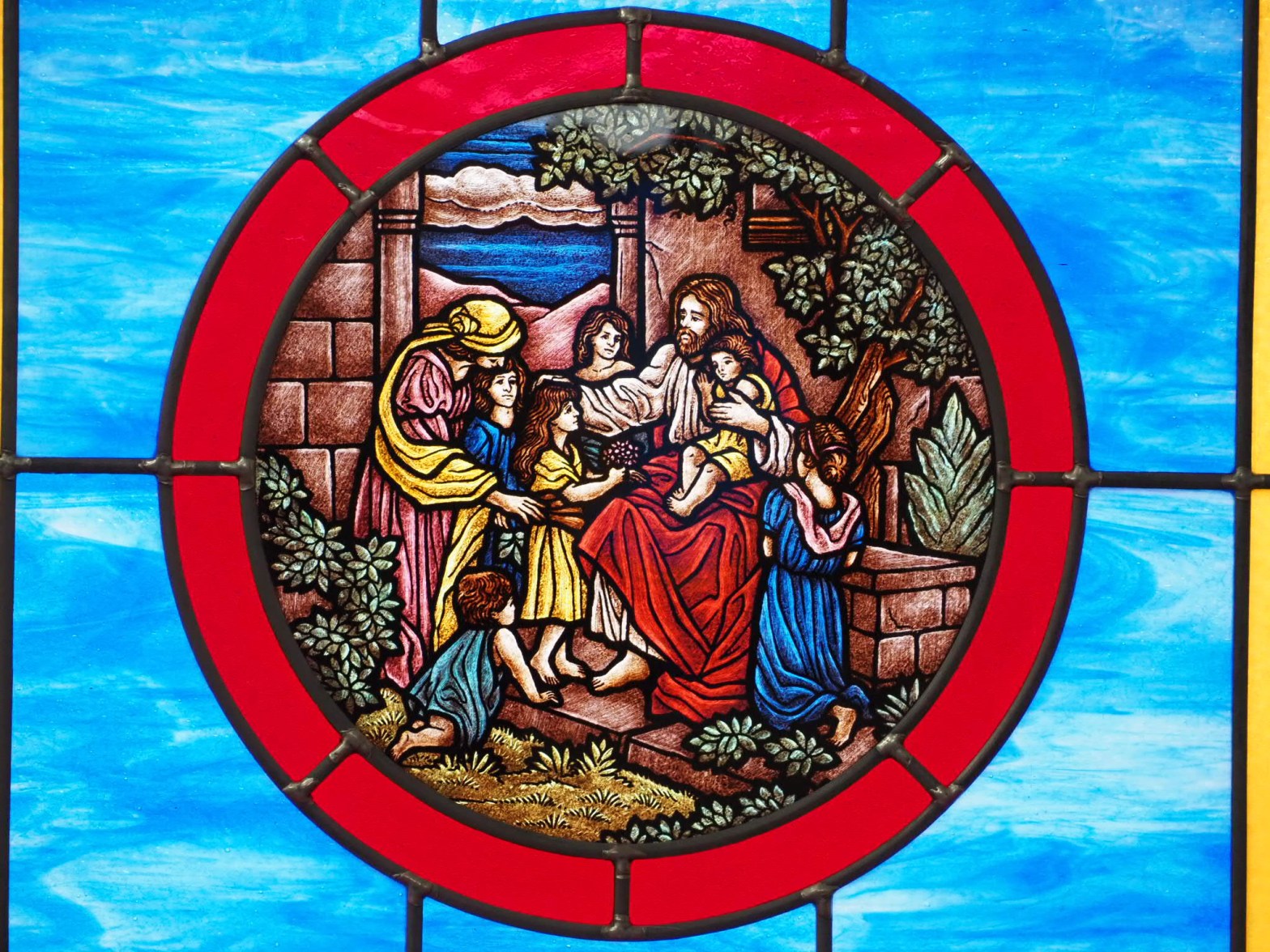
Jesus said, “Let the children come to me, and do not hinder them, for to such belongs the kingdom of God.” He spoke these words to His disciples when they were preventing parents from bringing their children to be blessed by Jesus. They were actually blocking them because, to the Disciples, children were beneath the radar – so to speak. In terms of salvation, children, well, need not apply. Of course, right after our text, they let the rich young ruler through to Jesus without hindrance. Why? They did not yet understand completely how salvation works. Though salvation by God’s grace through faith in Jesus had been clearly preached by the prophets, the Disciples lost sight of that and blocked the children, thinking that they were incapable of meriting salvation.

Jesus set them straight by telling His disciples to let the children through, for He came to save them, too. The kingdom of God belongs also to children, because entrance into that kingdom is by grace through faith, which even a child can receive and have. It is not by our own works or merit. Jesus then said, “Truly, I say to you, whoever does not receive the kingdom of God like a child shall not enter it.” He means that unless one receives the kingdom like a child, that is, by faith, he will not enter it. Jesus said that His kingdom belongs even to little children, for they, too, receive Him in faith.

I.

By the inspiration of God the Holy Spirit, St. Luke framed our text today between two other texts that are well-known to us. He did this to teach us something key about how salvation works, about the doctrine of justification, really. The two texts that surround ours today are the Parable of the Pharisee and the Tax Collector and the account of the Rich Young Ruler who left Jesus saddened. He left saddened because he had grown fonder of his riches than God’s kingdom. Both of those texts teach a similar lesson – salvation is not something that is earned. It is given by God’s grace through faith. If it had been by works, then surely the Pharisee (and not the tax collector) would’ve gone home justified and the rich young ruler would’ve been rewarded for his good works. But, that’s not how salvation goes. The Disciples weren’t quite tracking this.

So, when parents began bring even their little infants – and the word in the Greek includes children yet in the womb – to be blessed by Jesus, the Disciples blocked them. They rebuked them, it says. The sense is that the Disciples gave a strong and persistent disapproval to those parents and children. They did not want the children coming to Jesus. They weren’t worth His time – not like the rich and powerful young man who would come by in just a bit. The children could wait their turn, for all they cared. But, Jesus said, “Let the children come to me…for to such belongs the kingdom of God.”

II.

This is another text where we often find ourselves falling into the Disciples’ place. Most likely, not in intention or motive, but certainly in end result. The Disciples’ motive for rebuking the parents and children was that they weren’t worth Jesus’ time. I don’t say that we fall into that error. But, we do sin when the end result of our actions (or inaction) is the same as the Disciples’ rebuking  – children being prevented from being brought to Jesus. This happens in many areas of our lives. It can happen when we aren’t as diligent in raising children in the faith as we should be. Raising children in the faith means knowing and studying the Scriptures ourselves, modeling the faith in family life, teaching it at home, and having regular family devotions. Grandparents, the responsibility to teach and model the faith to your children doesn’t stop when your children are themselves adults; it just takes a new form as you continue to encourage both your children and your children’s children.

The end result of our actions is the same as the Disciples, also, when we as a congregation don’t actively pass on and share our faith with the next generation. This happens when we absolve ourselves from responsibility, saying that our time to teach has come and gone, and now it’s someone else’s job. It happens when we as a congregation don’t give the support to our youth that they need or to those who do teach the support and encouragement they need. It also happens when we aren’t given to the work of evangelism and mission. As a congregation, we exist not only to hear the Word and receive Sacraments ourselves, but also as the hands and feet of Christ to call all people to His wedding feast.

Jesus said to let the little children come to Him, because the promise of the forgiveness of sins is for them, too. Jesus came to seek and to save the lost, all of them. St. Paul wrote that sin came into the world through the one man, Adam, and by natural descent has spread to all mankind. By the Holy Spirit, King David taught that we are all conceived and born in sin. We are all – even children – by nature, enemies of God. Therefore, Jesus became like us in every respect. He endured the assaults of the devil and kept God’s Law perfectly. He suffered and died on the cross, bearing all the guilt of sin, so that by His death, all can be forgiven. The forgiveness of sins which He earned He gives to all as a gift, through faith, so that even children can be part of His kingdom. But, as St. Paul said, “How then will they call on him in whom they have not believed? And how are they to believe in him of whom they have never heard?” Or, remember how the Ethiopian Eunuch responded to Philip when he asked him if he understood the Good News. The eunuch told asked him, “How can I, unless someone guides me?”

III.

As we heard in our Old Testament text (Deut. 6), we have been given the command and responsibility from God to teach our children the one true faith. Jesus desires this and encourages this because He came to die, also, for all the little children of the world. He gives forgiveness and salvation to them by His grace through faith. The Holy Spirit works faith in them when His Word is read and taught in our homes and lives, when it is read and preached here, and through the Sacrament of Holy Baptism. We have this solemn and joyous responsibility from God, but we have not always honored it. We have excused ourselves from it, we have failed to do it; sometimes we’ve become disheartened and stopped doing it. In this, we have sinned.

Hear, again, these words of Jesus before we close. He said, “Let the children come to me, and do not hinder them, for to such belongs the kingdom of God.” Also, “Truly, I say to you, whoever does not receive the kingdom of God like a child shall not enter it.” Jesus didn’t mean that if you don’t receive the kingdom as a literal child, that you won’t enter it. Rather, it’s a childlike faith that receives His grace. Everything a child has is given to him. He doesn’t earn it. In fact, most of the time a child dis-earns what he has by bad behavior. Rather, a child has what he has because His father loves him. It’s the same for us. Salvation is by God’s grace through faith in Jesus Christ and not by our works. If it were by our works, we would be out of the kingdom forever simply for the times we have been less than enthusiastic to teach our children. But, today, let us recognize that and confess that, and believe that – in Christ – though our sins are like scarlet, we are made white as snow.

And so, as we embark and have begun a new Sunday School year, let us confess our sins and believe that, in Christ – by His death and resurrection – we are forgiven. Let us pray for the grace and aid of the Holy Spirit to teach and model the faith to our children, both those within our congregation and those outside. And, let us trust that God by His Holy Spirit will continue to bless our children with the forgiveness of their sins and the promise of salvation, even as we adults, too, have been forgiven by God’s grace through faith in Christ.

“Who is the Greatest?”

Listen to “2018-09-23 Proper XX – Gospel, “Who is the Greatest?”” on Spreaker.

2018-09-16 Worship Bulletin

Text: Mark 9:30-37

Jesus once said,

You know that those who are considered rulers of the Gentiles lord it over them, and their great ones exercise authority over them. But it shall not be so among you. But whoever would be great among you must be your servant, and whoever would be first among you must be slave of all. For even the Son of Man came not to be served but to serve, and to give his life as a ransom for many.

He taught this to the Disciples on the eve of His triumphal entry into Jerusalem after James and John asked to sit at His right and left hands in the kingdom of heaven. Jesus’ point was that, as He – who, above all, deserves to be served – came to serve, so also we should seek to be of service to others.

Jesus teaches this at many points in the Gospel, and, also, the Apostles in the Epistles. The life of a Christian is meant to be spent in service toward others, and not building up glory for ourselves. Our Lord and His Apostles repeat this over and over again because, so often our lives are given to the pursuit of glory, riches, happiness; to have more than those around us, and to be worth more. We are taught by our society that those who have more are better than those who have less, and we live our lives in that pursuit. Jesus, however, became greatest by becoming the least, and He teaches us to do the same.

I.

The question, who is the greatest, is not a new question. The quest for greatness seems to have driven human affairs since time immemorial. Even in Eden, it was what drove our first parents to eat from the forbidden fruit, wasn’t it? The desire to be like God, to be wise like Him, to be great like Him? Greater even? The pursuit of greatness and glory has sparked conquests and wars throughout recorded history, sometimes ending in – temporary – glory, sometimes in defeat. Still, the pursuit isn’t always bad. The pursuit to be the greatest has brought many innovations in literature, technology and healthcare that make life today more comfortable than it has ever been. But, the pursuit of greatness and glory comes at a cost. Often, that cost is other people.

Ingrained in our lives is the constant pursuit of greatness, though we call it by another name – success. We strive after it all our lives: in sports, in our jobs, and in relation to other people. We teach our children to dedicate their entire lives to athletic pursuits, while we sacrifice their and our souls by neglecting God’s Word and Sacrament. We are always in search of higher wages, never content with what blessings God has already given us nor trusting in His future provision. We seek to be esteemed by our peers and be spoken about in glowing terms. We are always seeking greatness and glory, but often the cost is other people. Because, we have all been taught that to have more is better and to have less is bad. If I’m better at my sport, I am better than that person. If I make more money than that person, my position is more valuable. If I have more toys, my life is more enjoyable than that person’s.

II.

Jesus’ teaching today comes after His second passion prediction. St. Mark wrote, “Jesus was teaching His disciples, saying to them, ‘The Son of Man is going to be delivered into the hands of men, and they will kill him. And when he is killed, after three days he will rise.’” Jesus taught the Disciples that the plan of God from the foundation of time was to reconcile the sinful world to Himself by the sacrifice of His Son. God knew that the depth of man’s depravity and sinfulness, his inherent search for self-glorification, was so great that only by one giving up glory could things be fixed. Salvation couldn’t be accomplished by a man, because – by nature – no man is able to be entirely self-less. It couldn’t be God the Father Himself – for He cannot sin. Rather, by the self-emptying and sacrifice of the Son of God, who is also the Son of Man, mankind is forgiven.

By the definite plan of God, Jesus was handed over into the hands of sinful men. And, He went willingly. He set aside His crown and glory, He resisted and endured all the same temptations that we do – yet, without sin. Then, like lamb is led to slaughter, He was nailed to the cross. He who, above all, deserves worship and glory, was mocked and spit upon while He hanged there dying. But, by His death, He atoned for our sin. Jesus said, “If anyone would be first, he must be last of all and servant of all.” These words apply, first, to Him.

Jesus became the greatest by becoming the least. He became servant of all by becoming true man and suffering death for us on the cross. He suffered and died to win for us forgiveness for our sins of selfishness and greed, which are both idolatry and sins against the First Commandment. He died to win forgiveness for the times when we have pursued worldly things other than the things of God, which are the Second and Third Commandments. He died to win forgiveness for the times where we have placed our needs, our wants, and our selves above others – which is all the rest of the Commandments. Jesus teaches us today that true greatness is not measured in glory, wealth, or possessions, but in service toward others.

III.

St. Paul wrote, “Have this mind among yourselves, which is yours in Christ Jesus, who, though he was in the form of God, did not count equality with God a thing to be grasped,  but emptied himself, by taking the form of a servant, being born in the likeness of men.” In our text, we heard how the Disciples were arguing among themselves about who was the greatest, best, and most valuable among them. Though they were wrong, we dare not fault them – since we do the very same thing, we and all mankind. Therefore, Jesus became the least and servant of all by dying for all on the cross. He has won for us the forgiveness of our sins.

He not only has He given us that forgiveness through His Word, in Baptism, in the Absolution, and in the Lord’s Supper, but He also has given us His Holy Spirit by these things. And, the Spirit gives us a new heart and mind. By this new heart and mind, we are led to think of ourselves and others not as we once did, but in Christ. That is to say, we are led to think of ourselves less and of others, more. With the mind and heart of Christ, we are taught that our lives should not be led in pursuit of glory, wealth, and riches but how best to use the gifts God gives us in service to our neighbor. True greatness comes not from lives of plenty, but lives lived in love toward others.

Thanks be to God, than, that though we have failed to think of others as greater than ourselves and have thought of ourselves greater than others, though we have lived our lives in pursuit of our own greatness, Jesus lived His life in service toward others. He lived His life and died, so that we might be forgiven. He gives us His Holy Spirit by His Word and Sacrament so that we, too, might live by serving others. Greatness comes not from glory, but service. God grant this unto us all, amen.

Help My Unbelief

Text: Mark 9:14-29

Listen to “2018-09-16 Proper XIX” on Spreaker.

The Lord God once described the work of His Messiah, Jesus, through the mouth of the prophet Isaiah. He said this: “Behold my servant, whom I uphold, my chosen, in whom my soul delights; I have put my Spirit upon him; he will bring forth justice to the nations. He will not cry aloud or lift up his voice, or make it heard in the street; a bruised reed he will not break, and a faintly burning wick he will not quench.” The Lord described His chosen servant as humble, even humble enough not break a bruised reed or snuff out a faintly burning wick. And so, Jesus was. Yet, the Lord wasn’t speaking about the reeds in the swamplands or saying that Jesus never put out a candle. He was taking about people.

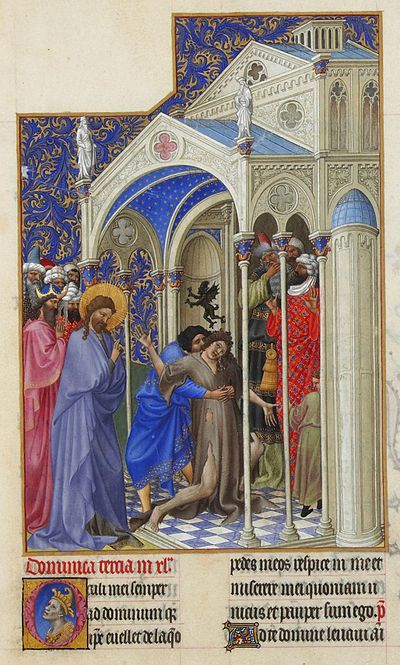
Jesus came not to beat down, tear down, or destroy; but to build up, care for, and die for all mankind – even, and especially, for those who are burdened by this life. We saw this play out in our text. Jesus cast a stubbornly mute and deaf spirit out of boy, but not before having a conservation with the boy’s father. In the conversation, the father revealed that he believed in Jesus but still found in himself some unbelief. He cried out to Jesus for help, and Jesus heard him. Our Lord has compassion for all people and heals even those who are weak in faith.

I.

Our text this week takes place, perhaps, some time after last week’s Gospel reading. Last week, we were in Mark 7 and heard how Jesus cast a demon out of the Syrophoenician woman’s daughter and opened the ears and mouth of a deaf man. Since then, Jesus has fed the four thousand and healed a blind man. This week, we find Jesus just after He had come down from the mount of Transfiguration. At the Transfiguration, His appearance was changed to shine like the sun and Moses and Elijah appeared to speak with Him about His death and resurrection. When Peter suggested they remain on the mountain in glory, God the Father spoke from heaven that Jesus was His Son and they should listen to Him when He says that He must suffer and die.

Jesus, Peter, James and John, came down from the mountain and found the remaining disciples in an argument with some scribes and a crowd around them. Jesus asked them, “What are you arguing about with them?” At this time, they were some distance from Jerusalem. So, the scribes must’ve come all that way to keep an eye on the disciples (and Jesus) and, in the course, got into a fight. Then, a man from the crowd said, “Teacher, I brought my son to you, for he has a spirit that makes him mute. And whenever it seizes him, it throws him down, and he foams and grinds his teeth and becomes rigid. So I asked your disciples to cast it out, and they were not able.” Remember that this is after Jesus earlier sent the disciples out two-by-two into the villages to preach the Gospel. St. Mark wrote earlier that Jesus gave the Twelve the authority to cast out demons, and they did. This time, however, was different.

Jesus lamented the Disciples’ continued lack of faith. He told them later that the reason they couldn’t cast it out was because of their lack of faith and prayer. It’s possible that while Jesus was on the mountain, the remaining disciples became tempted and thought that the power to cast out demons resided within them and not in the Word of God. When they tried to cast out the demon by their own authority – without the Word of God and prayer – it didn’t work. Seeing the crowd was beginning to press in, and perhaps spark a panic, Jesus rebuked the unclean spirit, saying to it, “You mute and deaf spirit, I command you, come out of him and never enter him again.” The evil spirit cried out loudly, threw the boy to the ground, and came out. The convulsing was so violent that people thought he was dead, but Jesus took him by the hand and he got up.

II.

There are so many things to learn from our text that it’s hard to pick just one. But, the aspect of the text that jumps out to me this week is the short conversation between Jesus and the father. Maybe, first, that the conversation happened at all. Jesus had just come down from the Transfiguration. He clothes had become brighter than any bleach could ever get them and God the Father Himself spoke from heaven. Were you or I to receive such treatment, we might be a little full of ourselves. Often, that happens after even much smaller accolades. But, not with Jesus. He saw the crowd gathered and stopped to see what was going on. Then, when the man brought up what was happening, Jesus inquired to see how long the boy had been suffering. This wasn’t because Jesus was a doctor and needed to make the right diagnosis – He asked because He cared.

The man had brought his son to Jesus’ disciples because he believed in who Jesus was. But, when they were unable to cast the demon out, he had become disheartened. He asked Jesus, “If you can do anything, have compassion on us and help us.” Jesus said to him that all things are possible for one who believes, to which the man responds, “I believe; help my unbelief!” And, Jesus did. A bruised reed Jesus would not break nor a smoldering wick, snuff out. Jesus didn’t think it beneath Himself to help a struggling father who had witnessed his own son be thrown by a demon into fire and water. Instead, Jesus had compassion. He cast the demon out of the boy.

Sometimes we find ourselves in line with the father in this text. We are here because the Holy Spirit has brought us; most of us have probably been Christians for as long as we can remember – and before. And yet, because we are but flesh and blood, the Old Adam continues to claw away within our hearts. In our hearts, there is a constant battle between faith and unbelief. Sometimes we’re not aware of this, sometimes we are. And, sometimes, we doubt. To doubt is not to sin. If we entertain our doubts and begin to despair or disbelieve, then we are sinning. But, a doubting faith is still faith. And, a doubting faith, Jesus does not cast away.

III.

Jesus is mercy, love, and grace – even to those who have doubts. For, He died for all mankind, to win forgiveness even for those who struggle. He did not say to the father in our text, “be gone,” because his faith wasn’t strong enough; He embraced him and strengthened his faith. It’s not how much faith you have that saves, it’s what your faith is in. Therefore, Jesus is able to have mercy on those who doubt, by forgiving them and strengthening their faith. Jesus shows this same compassion also to us.

First, He forgives us our sins. Jesus, out of His great compassion for all the world, suffered and died for us. Daily and richly, the Catechism says, He gives that forgiveness to us in our Baptism. By His Holy Spirit, He daily puts to death our sinful nature and leads us in His righteousness. Through the Word, the Holy Scriptures, the Spirit both brings us to repent of our sins and points us to Christ for forgiveness. In the Word, He daily teaches and reminds us of all Christ said and did for us. In the Lord’s Supper, Jesus binds up our wounded and broken hearts by feeding us His true body and blood for the forgiveness of sins and the strengthening of our faith.

In our text today, we witness again Jesus’ great compassion. Out of love, He cast the mute and deaf spirit out of that poor boy. He did not turn away the man because his faith was not great enough, but rather had mercy on Him, forgiving him and strengthening his faith. A bruised reed He doesn’t break and a smoldering wick He doesn’t put out. Through His Word and Sacraments, He forgives us also our sins and strengthens our faith until such time as we no longer walk by faith, but by sight.

https://widget.spreaker.com/widgets.js


I Will Give You Rest

Text: Matthew 11:25-30

Grace to you and peace from God our Father and the Lord Jesus Christ. May the peace of Christ’s resurrection and life be especially with you [family names]; and with all of Zelma’s family and dear friends. Jesus said, “Come to me, all who labor and are heavy laden, and I will give you rest. Take my yoke upon you, and learn from me, that I am gentle and lowly in heart, and you will find rest for your souls.” These words from the Lord are both an invitation and a promise, a promise which He has fulfilled for Zelma. He has clothed her with the garment of salvation, the robe of His righteousness. He has given her rest from the good fight and from all her labors. In Jesus, Zelma has found rest from her labor, rest for her soul.

I.

Come to me, all who labor and are heavy laden, and I will give you rest. Take my yoke upon you, and learn from me, for I am gentle and lowly in heart, and you will find rest for your souls. For my yoke is easy, and my burden is light.” Jesus spoke these words to a crowd of His followers at a time when it appeared as if His ministry was failing. Though He had performed many miracles – healed the blind, the sick, and the lame, even raised the dead – there were many who did not repent of their sins nor believe in Him. But, to those who, by the work of the Holy Spirit, did receive His Word in faith, Jesus gave this invitation and promise – rest. Rest for those who weary and are heavy laden. Rest for those who are burdened by the weight of life in this world. Rest for souls.

Zelma Mae was born December 14th, 1942. She was baptized into Christ’s death and resurrection on March 25th, 1951. June 9th, 1963 she was united in holy matrimony to Gary and became Zelma Mae Fink. She was confirmed in the Lutheran confession of faith, here, on April 28th, 1974. Throughout her many years of membership here she remained active in various positions and as a member of our congregation’s women’s group. She also served decades in the American Legion Auxiliary. But, amidst all these things, Zelma was also one who was burdened and heavy laden. Perhaps, most of all – as of late – by her health.

I had the opportunity a few weeks back to visit Zelma in the hospital. During or shortly after my first sermon here, she took ill and went to Waterloo. Later, when I visited her, she received me warmly. We prayed together and spoke of the hope we have as Christians in Christ and His resurrection. I learned there and since, that her health was an ongoing concern for Zelma. Between bouts of cancer, her heart, and the pain that seemed frequently to be present, it is safe to say she was heavy laden and burdened. Weary, even. Beyond her health and the trials of this life, there was another burden Zelma carried – a weight which all men bear – sin. Zelma, as all born since Adam and Eve, inherited the corruption of original sin. Having inherited this corruption, Zelma did sin; She was not perfect. But then, neither are we. Had she been perfect we would not be here today, for she would not have died. More seriously, if she were perfect she would not have needed Christ. But, now, she has found rest from her burdens and labor. She has found rest for her soul in the arms of Jesus.

II.

Jesus said, “Come to me, all who labor and are heavy laden, and I will give you rest.” This is both and invitation and promise. Jesus is able to promise rest, even for our souls, because as He says, He is gentle and lowly. He is humble even, to suffer death – a death He did not deserve – death on a cross. Though Jesus is both fully God and fully man, He did not count that as something to be prideful of. Instead, He set aside His glory and became the servant of all mankind. He bore the burdensome weight of all sin – of Zelma’s, yours, and mine – in His body on the tree. He suffered, died, and was buried. Then He rose. By His death, He paid the price for all sin. By His resurrection, He restored eternal life to all who believe. He brought eternal life back into the picture for Zelma. This is the rest He promised.

Zelma received that promise as a child, by the Holy Spirit’s work through the Word of Christ. She received here the true body and blood of Christ for the forgiveness of her sins and the strengthening of her faith. By these things her burden was lightened, and she was led to fight the good fight. Now her burden is fully-lifted and she has received the yoke of Christ, which is light and easy. She has received and now enjoys rest for her soul. This rest, however, is not a sleep, but a joyful experience of Christ’s presence, and fellowship with all the Christians who have gone before her. This is the rest we also aspire to, the rest promised to all who, like Zelma, are the beloved of Christ.

Come to me, all who labor and are heavy laden, and I will give you rest. Take my yoke upon you, and learn from me, for I am gentle and lowly in heart, and you will find rest for your souls.” Let us hear these words today and be comforted. By His death and resurrection, Jesus has secured for us the forgiveness of sins and eternal life – rest for our souls. And let us also be thankful, that though we are saddened and mourn Zelma’s death, we know that she has found rest for her soul in Jesus. She is now in His presence and awaits with all the faithful the Day of Resurrection and our joyful reunion in heaven. Jesus said, “I am the resurrection and the life. Whoever believes in Me, though He die, yet shall He live, and everyone who lives and believes in Me shall never die,” even Zelma. Amen.

Be Strong; Fear Not!

Text: Isaiah 35:4-7a

Strengthen the weak hands, and make firm the feeble knees. Say to those who have an anxious heart, ‘Be strong; fear not! Behold, your God will come with vengeance, with the recompense of God. He will come and save you.’” Thus, were the words of the Lord spoken through the mouth of His prophet Isaiah. Isaiah was sent to preach to God’s people in a time of distress, turmoil, and anguish; a time of uncertainty. Many, if not most, in both Israel and Judah had fallen away from the faith and into idolatry. Violence and greed were rampant, and the threat of invasion from a godless nation loomed overhead. And yet, the Lord’s Word to His people was, “Be strong; fear not!

The word the Lord spoke then bears repeating now in our time, as well. We also live in a time of distress and turmoil. Around the world, we hear of unending disasters, wars, and rumors of wars. In our country we are increasingly divided politically, the Lord’s institution of marriage is constantly attacked, and children are murdered for a fee. Yet, to our weak hands and feeble knees, to our anxious hearts, the Lord says “Be strong; Fear not!” There will be a day when the wicked will be no more and the righteous in Christ will shine like the sun. The Lord will come and save us. The Lord came to the rescue of His people of old; He will save us, too.

I.

The Lord spoke through Isaiah the words we’ve heard, “Say to those who have an anxious heart, ‘Be strong; fear not! Behold, your God will come with vengeance, with the recompense of God. He will come and save you.’” He continued, “Then the eyes of the blind shall be opened, and the ears of the deaf unstopped; then shall the lame man leap like a deer, and the tongue of the mute sing for joy. For waters break forth in the wilderness, and streams in the desert; the burning sand shall become a pool, and the thirsty ground springs of water.” When Martin Luther lectured on the Book of Isaiah in 1528, he taught that in order to understand the prophecies of Isaiah, we must first understand the context.

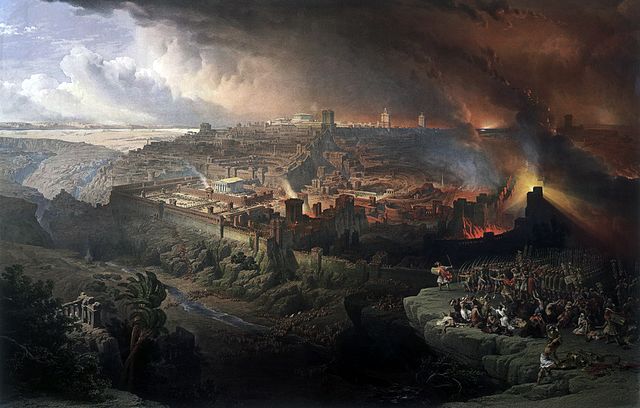
Isaiah prophesied during the reigns of four kings, some 700 years before Christ’s birth. During these reigns, the kingdom of Judah was at the height of its power and wealth – second only to the reigns of David and Solomon. But, with the increased wealth and power came temptation. The kings and people fell into idolatry, both the worship of actual idols and worship of self. Because of this, the Lord allowed the Northern Kingdom of Israel to fall in 722 B.C. and, through Isaiah, said that the same would happen to Jerusalem if she did not repent. Sadly, they persisted in their idolatry, violence and greed. Soon, the people feared for their own well-being. The Assyrian army laid siege to Jerusalem itself, and after them, an envoy from Babylon spied out all its riches. During this time the faithful of the Lord found themselves persecuted and feeling as if they had been forsaken. Church tradition says that Isaiah himself was also martyred.

Though Isaiah prophesied so long ago across the ocean, the emotions of God’s people then and now are not so different. As we all know, it seems that the world goes from one disaster to another, one war to another. In our own country, we are rife with divisions and animosity. The only unity we sometimes see is our society’s aversion to the truth of God’s Word. In the American Church at large, our church body is increasingly put down as being “backwards,” for believing that the Bible is without error and in a literal account of the Creation. Beyond all these things, for some of us, our health is continually going back and forth between bad and worse. Yet, we hear these words today, “Be strong; fear not.” But, why?

II.

Say to those who have an anxious heart, ‘Be strong; fear not! Behold, your God…He will come and save you.’” These were the words given Isaiah to preach, the Lord’s words to His people. Though the world seemed to cave in around them, though their hearts were filled with anxiety and grief, those fears would turn to joy. The Lord would come and save them. And He did. It is true that, for their sins, the people of Jerusalem were carried off into exile. Still, the Lord remained with them and blessed them in their time of captivity. Then, during the reign of Cyrus of Persia, the Lord returned His people to their home. He rescued them and saved them, just like He said He would.

“‘Behold, your God…will come and save you.’ Then the eyes of the blind shall be opened, and the ears of the deaf unstopped; then shall the lame man leap like a deer, and the tongue of the mute sing for joy.” These words were applied by our Lord in St. Luke’s Gospel to His own ministry. When the Baptist asked if Jesus was the promised Messiah, He responded that blind were seeing, the lame were walking, and the deaf were hearing. That is to say, that not only did the Lord save His people physically in the days of old, now He was bringing a greater salvation – the forgiveness of sins. The miracles foreshadowed the healing we will all receive at the Resurrection. Throughout His ministry, Jesus opened the eyes of the blind to see His Light and the ears of the deaf to hear His saving Word. By His death and resurrection, He won for all mankind forgiveness and eternal life. By this Good News, He brings water to parched ground, breaking forth streams of living water in the desert of our hearts.

Be strong; Fear not…[The Lord] will come and save you.” Words worth repeating, which we hear again today. We hear them knowing that the Lord rescued His people of old from their physical enemies, and has saved us and all the faithful into eternity by the death and resurrection of Jesus Christ, the Son of God. And, we know that there remains yet another day of salvation, The Day of Salvation, the day when our Lord will return on the clouds to raise the dead and gather all the faithful to His side. St. Paul said that we will meet Him in the sky and forever be with the Lord in the new heavens and earth. There the blind will forever see and the deaf hear; the lame will leap like deer and the mute sing for joy. Then, will our anxious hearts be forever calmed and be at peace in Christ.

Therefore, be strong and fear not. The Lord will come and save us; He will save you. We know that His will for us is always good and that nothing in all creation – not even death itself – can separate us from His love. The Lord has promised to come and save us, and He will do it. Let us therefore encourage each other with this good news: The Lord has saved us from our sins, He is with us now in His Word and Sacraments, and we will be with Him soon on the Day of Resurrection. Amen.