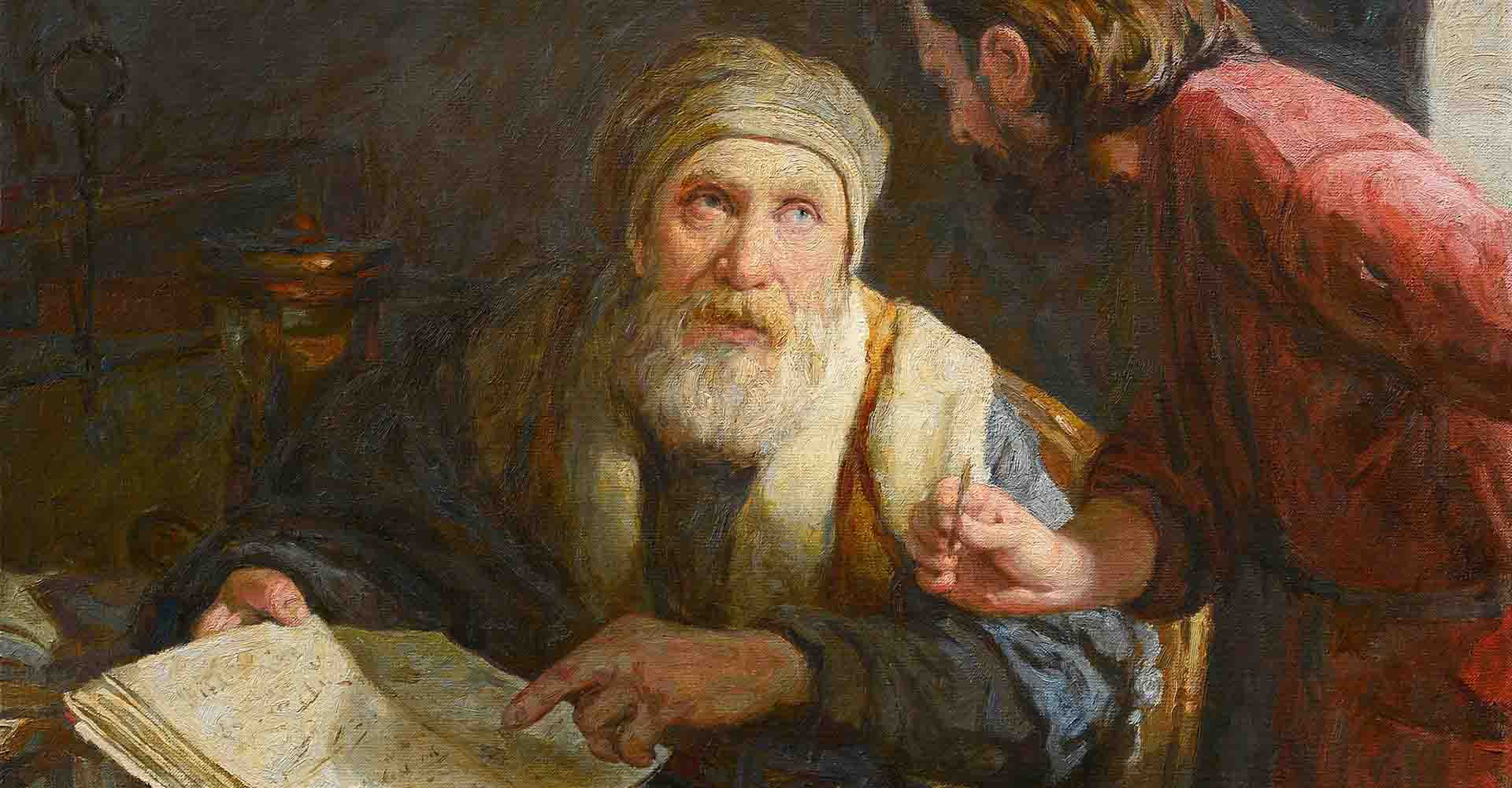
Christ our Lord speaks in parables to reveal the mysteries of the kingdom of God, as they are often contrary to how we see the world. The parable of the unjust Steward is no different, as he acts foolishly in the eyes of the world, but is commended and praised by his heavenly father for his wisdom that invokes mercy.
The parable begins with a wealthy man who employs a steward to collect the money from those who are indebted to him. Word comes to the rich man that his servant has not been faithful in his work. The man has mismanaged his master’s investment of property or possessions. Maybe the man sought filthy lucre by using his master’s possessions or was simply incompetent with money. Either way, the master knows the servant has cooked the books and there is money unaccounted for, and he is to blame. The steward knows that he is canned while the rich man calls him to give an account for his misdeeds.
And as he ponders his circumstances, he will soon be out of a job and home. The man feels obligated to maintain his appearance. A man like him would have status in the community to work for such a wealthy landlord. He is afraid of difficult or dangerous work, as he would much rather keep his hands soft and free of calluses. And if he began to beg, he would be asking for money from those he had wronged. He sought to avoid bringing shame upon himself in the face of the community and made a plan. When he would be sent packing, he could find a place to lay his head with his new friend. In short, the man is in trouble, and so he scratches the backs of others’ hoping they will do the same after he is fired. He devises a plan to get out of this pickle and goes to the Master’s debtors. First, he goes to a man who owes 100 measures of oil, and he forgives half of the debt on his own accord. Then he goes on to another man who owes 100 measures of wheat and cuts his bill down to 80.
And now we find the twist in the parable. We would certainly expect the Steward to get a greater punishment than what he previously deserved. He already defrauded the master, digging for himself quite a hole. And now he forgives debts that weren’t his to forgive. Digging that hole even deeper. Yet, when he comes before the master, he is commended, praised, and admired for his deeds of mercy to those in need. When it appears that the unrighteous steward has overstepped his bounds, he has told “well done, good and faithful servant.” He is praised for his shrewdness. The steward is clever in the way he shows mercy, even before the master does. By invoking mercy, he knows the heart of the master that he will show mercy upon those who show mercy. He is keen to do well for those who will soon invite him into their very homes.
This may be why this is such a strange parable, as it seems that the steward made matters worse, but it ultimately saved his life. If the master of the parable is God, then the master cannot have praised his dishonesty and unfaithfulness with the Lord’s possessions. Rather, he is praised for his shrewdness, for being so clever.
Jesus then offers the purpose of the parable: “Make friends for yourselves by unrighteous mammon, that when you fail, they may receive you into an everlasting dwelling.” Our gracious heavenly father has given us all things, our bodies, souls, and all that we have, including our money. Money is not the ultimate goal, but it is a tool given by the Lord to use in serving our neighbors and glorifying God. All our money, our houses, the job we have, the food in our cupboards, and even our very lives are on loan from God, our creator. And this parable encourages us to be shrewd or clever with what God has given us in this life. For God has given reason and wisdom to use all these things in love and service to God.
It should be understood that God is the master and not the unjust steward in the parable. Our Lord’s salvation is not a “I scratch your back and you scratch my back” kind of deal. He does not command our cleverness in order to be saved; instead, this parable is here to encourage us to use our gifts of God to serve him first. For our Lord, salvation is no business contract. He does not seek rent at the end of our lives. For Christ Jesus has looked upon us in mercy, and he sees the bill of our sins, and it is paid in full, not with gold or silver but with his holy and precious blood, and our debts are forgiven. And the receipt of our forgiveness is that we are at peace with God and our neighbor because of the merit of Jesus Christ.
We Christians are the sons of the light in the parable. As a parable, it compares us to the unbelieving world and their cleverness in getting ahead in life, whether in terms of money, reputation, hobbies, or sports. For those who do not believe in Christ, they are constantly worried about getting ahead, and they use their cleverness, wisdom, and intelligence to scratch the backs of others in the hope of receiving favors in return. How much more clever should the Christian be when it comes to using the gifts of God?
In Christ Jesus, we are made wise. True wisdom is faith in Jesus Christ, imparted by the Holy Spirit. The book of Proverbs says, “The fear of the Lord is the beginning of knowledge.” This means that faith is the beginning of knowledge of the word of God and his purpose. For the parable, shrewdness is faith in Jesus Christ, the giver of every good gift. The Holy Spirit does not bring you to faith so that you may figure it out on your own. He remains with you, by your side, and in your heart to increase your faith in Jesus Christ. Without Christ, we can do nothing.
So find your wisdom in the one Lord Jesus Christ. And he will not lead you astray. He is the wisdom of God who has become flesh and blood for your sake. Do not become eager when the world begins to count their treasure in the present time. As you have greater treasures in the kingdom of God, where he has prepared for you everlasting dwellings. And the friends you have made in this life with the gifts of God will entertain you there also. For all the saints of God have been made wise, and your dwelling is made secure through the Lord Jesus Christ.
 St. John's and Grace Evangelical Lutheran Parish