I want to begin my inaugural sermon by giving thanks to Almighty God, the Holy Trinity: the Father, the Son, and the Holy Spirit. Both congregations, my family, and I have witnessed God’s overwhelming compassion and faithfulness toward His church and those who desire the noble task of being a pastor. Many of you know there was no call extended to me on the appointed day for giving calls to the office of the Holy Ministry. Also, leading up to call day, Grace and St. John’s were informed that they would not receive a pastor. Yet in God’s abundant compassion upon his people, he works all things for our good for those who trust and love him. Much like the prophet Jeremiah, who doubted whether he could speak the words of a prophet, God puts his word in the mouth of Jeremiah so that he will not be afraid. The Lord’s mercy and faithfulness extend to his church. We see in Matthew’s Gospel that it is Jesus who has compassion for His people, as they were like sheep without a shepherd, and so He sends laborers into the harvest field. The Lord of the church does not desire to leave his flock; instead, he continues to train and raise up men to serve in his stead to feed and tend his sheep.
The church is, by nature, the assembly of the baptized; those who put on Christ in the waters of rebirth, forgiving them all their sins. God has also given the baptized the right and the duty to call pastors to usher them into the wedding feast of the Lamb in His kingdom, which will have no end. It is the pastor who brings sinners closer to the kingdom of God and prepares the saints of God for one of two things: the second coming of our Lord Jesus Christ or their own Christian death. In baptism, preaching, and the Lord’s Supper, you are made ready to behold the face of Jesus Christ. The Lord desires all to be saved and to come to the knowledge of the truth, and the Office of the Holy Ministry is the embodiment of God’s invitation for all people.
So, let us turn to our gospel text to understand God’s invitation and His Holy Ministry as he instituted it. Jesus tells this parable in response to the statement, “Blessed is everyone who will eat the bread in the kingdom of God.” Indeed, this is a true statement made by the man; yet, Jesus tells the parable to reveal how this heavenly bread is given to sinful men.
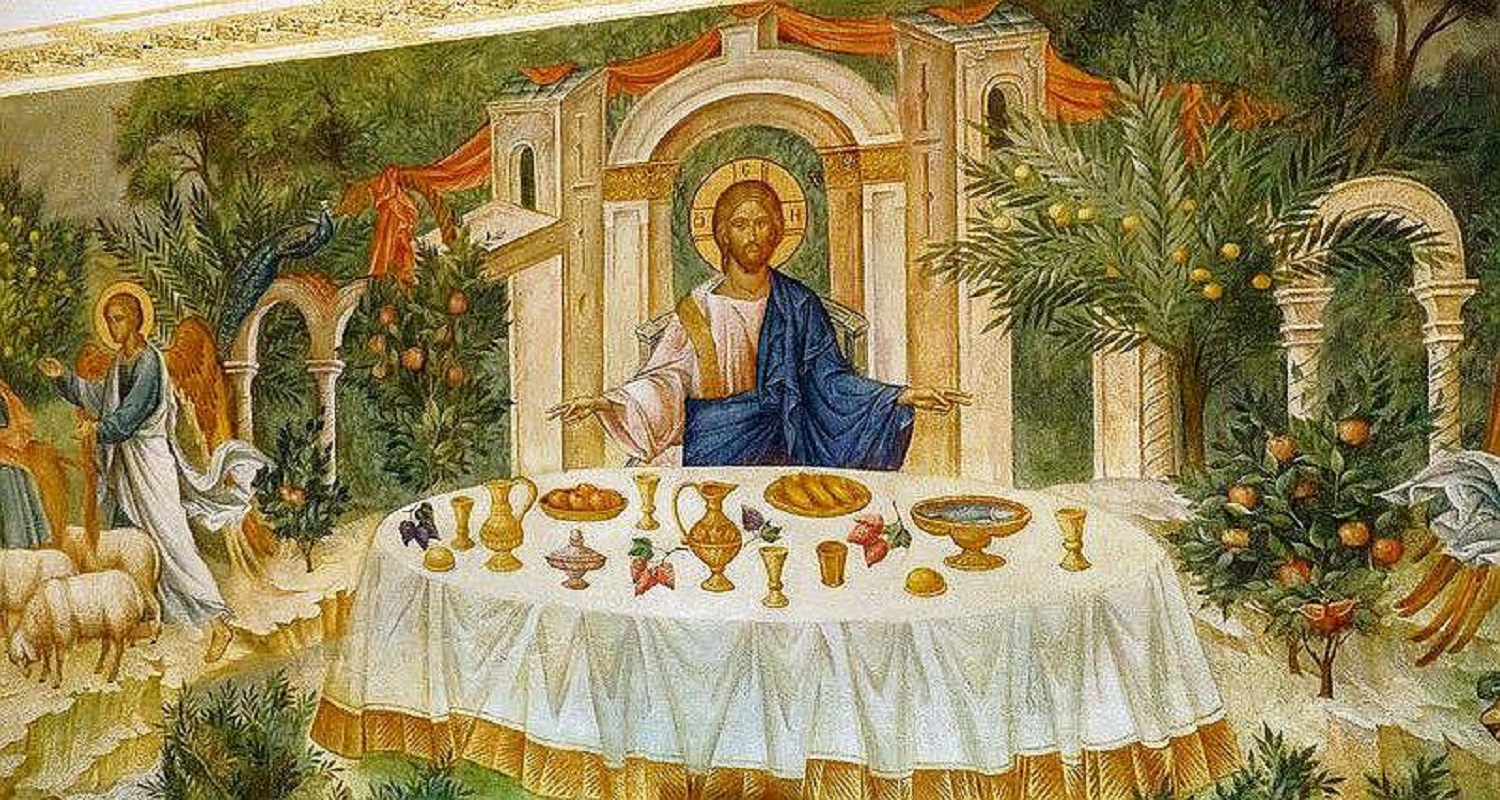
The master who gave the great banquet in the parable is none other than God, the Father. God earnestly desires to feed his people so that he can eat with them. Eating with the Lord is his demonstration of love for and communion with sinners. The Lord feeds his people in the wilderness with manna and quail from heaven. The prophet Isaiah foresees a feast of rich food and well-aged wine upon a mountain as the Lord has swallowed up death forever and wipes away tears from all faces. And in the desolate place, Jesus receives five loaves of bread and two fish from his disciples and feeds over 5000 men. Therefore, God is the host of the great banquet, and he eagerly awaits those he has invited.
The Lord sends out his servants to those he previously invited to his banquet. But none of those, except the invitation. All those who reject the invitation are those who knowingly or unknowingly reject the Lord. Luke tells us that they all began to make excuses. The first man says he has bought a field and must go and examine it. These people prioritize the earthly and temporal gifts given by God over God Himself. They give up or forget about God to focus solely on the vocation and riches that God has graciously blessed them with. Instead, he should have received the invitation graciously, knowing that God has already given him everything he needs.
The second man rejects the invitation because he has recently bought five yoke of oxen. These people are those who may not even know God at all. They only believe that this world is all that is out there, and nothing else is waiting for them. So they focus on accumulating as much as they can for themselves. For they believe that if they accumulate enough possessions, wealth, and influence, they might leave some mark on the world. By creating a legacy of more, it will soon fall apart because eventually, someone will always have the most, leaving their legacy forgotten. Instead, he should put his legacy in Christ, for in Jesus, no one is forgotten.
And finally, the third man, who has recently taken a wife, rejects the invitation because he prioritizes his relationship with her over his devotion to God. They are worried that attending church will lead to judgment by others. They might offend their family because someone may not like what the Bible teaches. They are afraid that if they are honest about their faith in Jesus Christ with their loved ones, they will be an outcast. They might rather sacrifice knowing Jesus Christ than risk appearing as if family doesn’t matter. Yet, Christ, our brother in human form, brings us together to be one with him as the family of the baptized.
Dear friends in Christ, you may know some of these people, for we were these people. Yet God does not give up, as he has prepared the great feast and desires his banquet hall to be filled. And so he sends his servants again, first Jesus Christ, then the apostles, and now his pastors. The invitation is the Holy Spirit, who creates faith and is received with gladness. The invitation they speak of in the parable is the proclamation of the kingdom of God that Christ has come to call sinners to repentance and believe in him.
God has not sent His Son for the righteous, but for the unrighteous. This is why the servants of the master come and extend their invitation to the poor, crippled, blind, and lame. In other words, God now sends his message to poor, miserable sinners. God’s compassion is so deep that he desires the banquet hall to be filled with sinners. Sinners that are forgiven the blood of Jesus Christ, who have received his word by the power of the Holy Spirit, who has created them anew through Word and Sacrament.
This is the will of God that the banquet halls of heaven would be filled and overflowing. For this purpose, he has given us his only begotten son, who was sent to bring the message of the Father’s invitation and pay the cost. It is only by the blood of Christ and his sacrifice on the cross that we are able to come into the Father’s presence. It is only for the sake of Christ, and the Holy Spirit that comes into our hearts, that we receive his invitation. We do not accept it by our strength or merit. Yet because of Jesus Christ and him crucified.
And now we come to the end of the parable. The most uncertain phrase that Jesus has to say about this banquet is: “For I tell you, none of those men who were invited will taste my banquet.” As those who rejected the Father’s invitation, now the Father has also rejected them. For those who come to the Lord’s banquet, do not forsake the grace of the Master. Now you may ask, “How do I do this, pastor?” The answer is certain. Continue to put your trust in Jesus. This parable teaches that Christ is the invitation extended and accepted by the Holy Spirit, and apart from God, we can do nothing. Continue to hear his word, cling to his promises, do not abandon the baptized, and receive his supper often.
When we hear the invitation of the God Father through Christ, the Holy Spirit is at work, bringing you closer and closer to his final banquet. He desires you to be in the banquet hall of heaven, filled with forgiven sinners for whom Christ died. Jesus is our only hope. May by God’s grace and his holy spirit, we always put our trust in Jesus, who brings us to His Father’s banquet.
 St. John's and Grace Evangelical Lutheran Parish